
Phone

Florida Real Estate Fraud: Warning Signs and Legal Remedies

What Is a Lis Pendens in Florida Real Estate?

Real Estate Litigation in Fort Lauderdale: What to Expect

What Is Luxury Real Estate Litigation in Florida?

High-Value Litigation Involving Developer Bankruptcies and Breach of Contract

Condo Termination & Redevelopment Disputes

What Are the 5 Fiduciary Duties in Real Estate?

Real Estate Contract Lawyer

Fort Lauderdale real estate litigation lawyer

Fort Lauderdale real estate dispute law firm

Call Now Email12
Florida's Business Law Firm
Fort Lauderdale Phone954-767-9662

Florida Real Estate Fraud: Warning Signs and Legal Remedies

Florida real estate fraud — warning signs and legal remedies

Florida real estate fraud costs buyers, sellers, and investors millions of dollars each year. From misrepresented property conditions to title fraud and mortgage scams, real estate fraud in Florida takes many forms — and the financial consequences can be devastating. Knowing the warning signs before you close, and understanding your legal options after fraud is discovered, can mean the difference between recovering your losses and absorbing them entirely.

Florida real estate fraud — warning signs and legal remedies

Common Types of Florida Real Estate Fraud

Florida has historically been a hotspot for real estate fraud due to its high volume of transactions, large non-resident buyer population, and significant cash sale activity. The most common types include:

  • Property condition misrepresentation: Sellers or agents concealing known defects — water damage, mold, foundation issues, or prior flood damage
  • Title fraud: Forged deeds or fraudulent transfers that cloud or steal ownership
  • Wire fraud: Fraudulent wiring instructions intercepting closing funds — increasingly common in South Florida transactions
  • Appraisal fraud: Inflated appraisals used to secure larger loans on overvalued properties
  • Mortgage fraud: False income, asset, or occupancy statements on loan applications
  • Flip fraud: Properties rapidly resold at inflated prices using fraudulent comps

Florida’s Disclosure Requirements for Property Sellers

Florida law requires sellers to disclose known material defects that are not readily observable and that could affect the property’s value or desirability. This duty comes from the Florida Supreme Court’s ruling in Johnson v. Davis, which established the seller’s affirmative obligation to disclose. Failure to disclose is not just bad form — it is the foundation of a fraud or misrepresentation claim.

A Florida real estate litigation attorney can evaluate whether a seller’s failure to disclose rises to actionable fraud or negligent misrepresentation under Florida law.

Florida specific performance — real estate contract attorney

Warning Signs of Real Estate Fraud in Florida

Red Flag What It May Indicate
Pressure to close quickly without proper inspection Seller trying to prevent discovery of concealed defects
Last-minute changes to wire transfer instructions Possible wire fraud — always verify by phone before wiring
Title search reveals gaps, multiple liens, or recent deed changes Possible title fraud or undisclosed encumbrances
Property recently sold multiple times in short succession Possible flip fraud or money laundering scheme
Seller refuses to provide full seller’s disclosure Red flag for concealed defects or litigation history

Legal Remedies for Florida Real Estate Fraud

If you have been victimized by real estate fraud in Florida, several legal remedies are available:

  • Rescission: Unwinding the transaction and returning the parties to their pre-contract positions
  • Compensatory damages: Recovery of out-of-pocket losses, repair costs, and diminution in value
  • Punitive damages: Available in cases of intentional fraud where the conduct was particularly egregious
  • Civil theft treble damages: Florida’s civil theft statute allows recovery of three times actual damages in some fraud cases

Claims must be brought within 4 years of the date the fraud was discovered or should have been discovered. Working with a South Florida real estate fraud attorney quickly preserves your remedies and the evidence needed to support them.

Frequently Asked Questions

Question Answer
Can I sue a real estate agent for fraud in Florida? Yes. Agents have independent duties to disclose and can be held personally liable for fraud or negligent Florida Statute §689.261 , separate from the seller.
What is wire fraud in a Florida real estate closing? It occurs when criminals intercept closing communications and send fraudulent wiring instructions. Funds sent to a fraudulent account are rarely recovered — always confirm wire instructions by phone directly with your title company.
Is seller non-disclosure always fraud in Florida? No. Non-disclosure is actionable only when the seller knew about the defect, it was material, it was not observable, and the seller failed to disclose it. Honest oversight is not fraud.

Florida Real Estate Fraud Victims Have Legal Recourse — Act Quickly

If you suspect you were defrauded in a Florida real estate transaction, do not wait. Evidence disappears, statutes of limitations run, and defendants move assets. Feinstein Law represents buyers, sellers, and investors in Florida real estate fraud cases throughout South Florida. Call (954) 452-4000 or reach us at our contact page.

About Feinstein Law: Feinstein Law is a Fort Lauderdale firm focused on real estate litigation, business disputes, and construction law in Broward, Miami-Dade, and Palm Beach counties.

By : admin | April 15, 2026 | Real Estate Litigation

What Is a Lis Pendens in Florida Real Estate?

Florida lis pendens — real estate litigation property filing

A lis pendens in Florida is a formal legal notice recorded in the public property records that warns potential buyers and lenders that the property is subject to pending litigation. The term is Latin for “suit pending.” When a Florida lis pendens is filed, it clouds the title to the property and can effectively block a sale or refinancing until the underlying lawsuit is resolved. Understanding how lis pendens works — and how to challenge one — is critical for anyone involved in Florida real estate.

Florida lis pendens — real estate litigation property filing

When Is a Lis Pendens Filed in Florida?

A Florida lis pendens is typically filed when a lawsuit directly affects the title, ownership, or right to possess a specific piece of real property. Common situations include:

  • Mortgage foreclosure actions — lenders file lis pendens to put the world on notice of the pending foreclosure
  • Partition actions — co-owners seeking to divide or force a sale of jointly held property
  • Breach of real estate contract — a buyer or seller claiming rights to a specific property
  • Specific performance claims — where a party demands the court force a sale to proceed
  • Construction lien enforcement — contractors recording notice of a lien foreclosure action

Under Florida Statute § 48.23, a lis pendens must be recorded in the county where the property is located and must identify the property, the parties, and the court where the action is pending.

How a Lis Pendens Affects a Property Sale or Refinance

Once a lis pendens is recorded against a Florida property, title companies will flag it immediately. Most buyers and lenders will not close on a property with an active lis pendens because:

  • The buyer could take title subject to the outcome of the pending lawsuit
  • Title insurance will typically exclude coverage for lis pendens-related claims
  • A court could later void or unwind the transaction if the claimant prevails

This makes a lis pendens an extremely powerful legal tool — and one that can be abused. Florida courts have the authority to discharge an improperly filed lis pendens and award attorney fees and damages to the property owner.

Fort Lauderdale real estate litigation — Broward County courthouse

How to Challenge or Discharge a Florida Lis Pendens

Property owners who believe a lis pendens was wrongfully recorded have two primary options. First, they can move the court to discharge the lis pendens on the grounds that the underlying lawsuit does not directly affect title or that the claimant cannot demonstrate a fair nexus between the lawsuit and the property. Second, the court may require the claimant to post a lis pendens bond to protect the property owner from damages if the suit ultimately fails.

Working with a Florida real estate litigation attorney is essential to act quickly. Delays allow the cloud on title to persist and can cost property owners significant money in lost deals and carrying costs.

Lis Pendens vs. Notice of Lis Pendens: Key Differences

Term Meaning
Lis Pendens The pending lawsuit itself that affects the property
Notice of Lis Pendens The recorded document filed in public records to give constructive notice of the lawsuit
Lis Pendens Bond Security posted by the claimant to protect the owner if the claim fails
Discharge of Lis Pendens Court order removing the notice from property records

Frequently Asked Questions

Question Answer
How long does a lis pendens stay on property in Florida? It remains until the lawsuit is resolved, the court discharges it, or the claimant voluntarily releases it.
Can I sell my property with a lis pendens on it in Florida? Technically yes, but most buyers and title companies will refuse to close until the lis pendens is resolved.
Who can file a lis pendens in Florida? Any party to a lawsuit that directly affects title or possession of real property can file a lis pendens under Florida law.

Protecting Your Florida Property from an Improper Lis Pendens

A Florida lis pendens can stop a real estate transaction in its tracks. If one has been filed against your property — or if you need to file one to protect your interest in a deal — time matters. Feinstein Law handles real estate litigation throughout South Florida. Call (954) 452-4000 or reach us through our contact page.

About Feinstein Law: Feinstein Law is a Fort Lauderdale litigation firm focused on real estate, business, and construction litigation throughout Broward, Miami-Dade, and Palm Beach counties.

By : admin | April 7, 2026 | Real Estate Litigation

Real Estate Litigation in Fort Lauderdale: What to Expect

Fort Lauderdale real estate litigation — Broward County courthouse

Florida Statute Chapter 683 in Fort Lauderdale follows a process that is often faster and more expensive than clients expect. Whether you are a buyer whose deal fell apart, a seller facing a specific performance lawsuit, a landlord dealing with a commercial tenant default, or an investor whose title was clouded by a competing claim, understanding what the litigation process actually looks like — from the first demand letter to a trial or settlement — gives you the strategic clarity to make smart decisions from day one. Fort Lauderdale real estate litigation is handled in Broward County Circuit Court, and the procedures, timelines, and cost structures are distinct from other types of civil litigation.

Broward County Circuit Court handles all civil real estate disputes involving property or claims over $50,000. Cases are assigned to division judges who manage civil dockets that regularly include commercial foreclosures, partition actions, broker commission disputes, and breach of purchase contract claims. The judges in this court are experienced with real estate litigation — which means both sides need to come prepared with well-developed legal theories and supporting evidence.

The most important thing to understand about real estate litigation in Fort Lauderdale is that it rewards preparation and punishes delay. Filing deadlines, notice requirements, and preservation of evidence all matter from the first day of a dispute — not just when a lawsuit is formally filed.

Stages of Real Estate Litigation in Fort Lauderdale

Stage What Happens Typical Timeline
Pre-Suit Demand Attorney sends formal demand letter — often triggers settlement or mediation Days to weeks after dispute arises
Filing the Complaint Lawsuit filed in Broward Circuit Court; defendant served within 120 days Weeks to a few months
Answer and Counterclaims Defendant responds; may file counterclaims against the plaintiff 20 days after service
Discovery Both sides exchange documents, take depositions, respond to interrogatories 6–12 months
Mediation Court-ordered mediation — most cases settle here Typically before trial
Trial Judge or jury decides — less than 5% of cases reach this stage 12–36 months from filing

Most Common Real Estate Litigation Cases in Fort Lauderdale

  • Purchase contract breaches — buyer or seller defaulting on a closing obligation
  • Seller non-disclosure claims — buyer suing after discovering concealed defects
  • Broker commission disputes — agents suing for unpaid commissions after a transaction
  • Title defect claims — competing ownership claims, undisclosed liens, or boundary issues
  • Partition actions — co-owners who cannot agree on the disposition of jointly held property
  • Commercial lease litigation — evictions, CAM disputes, lease breaches
  • Construction litigation — defect claims, nonpayment disputes, delay damages

The Fort Lauderdale real estate market — from Las Olas waterfront to Victoria Park historic homes to downtown commercial properties — generates a consistent volume of disputes. Broward County real estate litigation has its own procedural culture and judges who are familiar with local market dynamics.

Broward County Circuit Court Florida — real estate litigation courtroom

What to Expect in Costs and Timeline

The Broward County Clerk of Courts maintains the civil case docket for all real estate litigation filed in Broward County. Attorneys and parties can monitor case status, deadlines, and filings online through the clerk’s portal.

Many clients ask how much real estate litigation in Fort Lauderdale will cost. The honest answer depends on complexity, how aggressively the other side fights, and whether the case settles at mediation or goes to trial. Realistic ranges:

  • Simple deposit dispute resolved at mediation: $5,000–$15,000
  • Mid-complexity contract or title dispute settled before trial: $25,000–$75,000
  • Full trial through verdict: $100,000–$300,000+

Attorney’s fees are recoverable in Florida when the contract includes an attorney’s fees clause — and most Florida real estate contracts do. This means the losing party may be responsible for both sides’ legal fees, which dramatically affects settlement negotiations.

Broward County Circuit Court Florida — real estate litigation courtroom

Frequently Asked Questions: Fort Lauderdale Real Estate Litigation

Question Answer
Where are Fort Lauderdale real estate lawsuits filed? Broward County Circuit Court at 201 SE 6th Street, Fort Lauderdale.
Do I need an attorney to file a real estate lawsuit in Florida? You can represent yourself but it is not advisable. Procedural errors can result in dismissed cases and waived rights.
What is a lis pendens in Fort Lauderdale real estate litigation? A recorded notice that a lawsuit affecting the property is pending — it clouds title and prevents a clean sale.
Can a real estate dispute be resolved without going to court? Yes — most are resolved through negotiation or mediation before trial.

Start Your Fort Lauderdale Real Estate Case on the Right Foot

If you are facing a real estate dispute in Fort Lauderdale, the decisions you make in the first days matter most. Feinstein Law has handled Fort Lauderdale real estate litigation at every level — from pre-suit demand through Broward County Circuit Court trials. Call (954) 767-9622 or contact us through our contact page to speak with a real estate litigation attorney today.

About Feinstein Law

Feinstein Law is a Fort Lauderdale litigation firm focused on real estate disputes, business litigation, and complex commercial matters. The firm represents clients throughout Broward, Miami-Dade, and Palm Beach counties in high-stakes property and business conflicts.

By : admin | April 1, 2026 | Real Estate Litigation

What Is Luxury Real Estate Litigation in Florida?

Luxury real estate litigation attorney Florida — waterfront property dispute

Luxury real estate litigation in Florida covers high-stakes property disputes involving multimillion-dollar homes, waterfront estates, and premium condominiums across South Florida. When deals go wrong at the top end of the market, the financial exposure is enormous. Sellers, buyers, brokers, and developers all carry legal obligations — and any one of them can end up in court. Understanding what luxury real estate litigation involves helps you act fast and protect your investment before a dispute becomes a judgment against you.

South Florida’s luxury market — from Las Olas to Bal Harbour to Palm Beach — attracts high-net-worth buyers and sophisticated developers. But sophistication does not prevent disputes. Contract breaches, misrepresentation, title defects, and failed closings are common even at the highest price points. The legal process for resolving these conflicts follows Florida property law and can move through Broward, Miami-Dade, or Palm Beach County courts.

A real estate litigation attorney with experience in luxury transactions understands the specific contract terms, disclosure requirements, and remedies available under Florida law. Not every attorney handles this type of dispute — the stakes require someone who has been in front of judges on complex property matters.

What Triggers Luxury Real Estate Litigation in Florida?

High-value transactions have more moving parts — and more ways to break down. Luxury real estate disputes typically arise from these situations:

  • A buyer backs out after the inspection period without legal grounds to do so
  • A seller fails to disclose known defects in a waterfront or historic property
  • A developer delays delivery of a preconstruction unit beyond the contract deadline
  • Title issues surface after closing — liens, encumbrances, or ownership disputes
  • A broker claims a commission the seller disputes after a deal falls apart
  • Parties disagree over what fixtures, furnishings, or improvements were included in the sale

Each of these scenarios can result in litigation, arbitration, or mediation. Florida courts allow the non-breaching party to seek damages, specific performance, or rescission of the contract depending on the facts.

Key Legal Claims in Florida Luxury Property Disputes

Real estate litigation in the luxury segment frequently involves these legal theories:

Claim Type What It Means Common in Luxury Market?
Breach of Contract One party fails to perform a contractual obligation Very common
Fraudulent Misrepresentation False statements made to induce the sale Common — especially non-disclosure of defects
Specific Performance Court orders the sale to close as agreed Common — buyers want the specific property
Lis Pendens Notice filed clouding title during pending litigation Frequently used in high-value disputes
Broker Commission Dispute Agent claims unpaid commission after a failed deal Common — large commissions at stake

Florida law gives courts broad authority to craft remedies in real estate contract disputes. In luxury cases, judges understand that a unique property cannot simply be replaced with a comparable one — which is why specific performance orders are particularly common.

Florida luxury real estate attorney reviewing purchase contract

How Florida’s Disclosure Laws Apply to Luxury Properties

Florida requires sellers to disclose all known material defects that are not readily observable. This obligation applies equally to a $500,000 starter home and a $15 million oceanfront estate. In luxury real estate litigation, sellers often argue they did not know about a defect — and buyers argue they were deceived.

Common disclosure disputes in luxury transactions involve:

  • Flood history or water intrusion in waterfront properties
  • Structural issues in older estate homes with complex construction
  • Permit violations or unpermitted additions
  • HOA disputes or pending assessments not disclosed at closing
  • Environmental contamination on large land parcels

A real estate attorney in Fort Lauderdale can review the seller’s disclosure form, inspection reports, and communications to build a misrepresentation or fraud claim if the facts support it. Under Florida Statute §689.261, sellers face real liability for failing to disclose material facts.

Mediation Before Litigation in Florida Real Estate

Most Florida real estate contracts include a mediation clause. Before a party can file suit, both sides must attempt to resolve the dispute through a neutral mediator. Mediation in luxury real estate disputes can be highly effective — both parties typically want to avoid the cost and publicity of a court trial.

If mediation fails, the case proceeds to litigation. Florida circuit courts handle real estate litigation cases involving property valued over $50,000 — which includes virtually every luxury transaction in South Florida.

Why You Need an Experienced Attorney for Luxury Real Estate Disputes

Luxury transactions involve complex contracts, large sums, and parties who all have legal representation. If you are in a dispute without an experienced real estate litigation attorney, you are at a significant disadvantage. The opposing party’s counsel will move quickly to file claims, secure assets, or record a lis pendens that clouds your title.

An attorney who handles Florida real estate litigation regularly knows how to:

  • Analyze the purchase contract for breach, waiver, and remedy clauses
  • File or defend against emergency injunctions to stop a closing
  • Navigate Broward County real estate court procedures efficiently
  • Negotiate settlements that avoid a drawn-out trial
  • Take cases to verdict when settlement is not in the client’s interest

The Florida real estate contract dispute process has strict deadlines. Missing a filing deadline — even by one day — can end your case. Acting early with the right counsel protects your rights and your investment.

Florida luxury real estate attorney reviewing purchase contract

Frequently Asked Questions About Luxury Real Estate Litigation in Florida

Question Answer
How long does real estate litigation take in Florida? Most cases resolve in 6–18 months. Complex luxury disputes can take longer if they proceed to trial.
Can I recover attorney’s fees in a real estate dispute? Yes — if your contract includes an attorney’s fees clause, the prevailing party can recover costs.
What is the statute of limitations for real estate fraud in Florida? Generally 4 years from when the fraud was discovered or should have been discovered.
Do I have to go to court or can this be resolved privately? Many disputes are resolved through mediation or arbitration without a public trial.

Protecting Your Luxury Real Estate Investment Starts With the Right Attorney

When a high-value property deal goes wrong in South Florida, you need a real estate litigation attorney who knows Florida law, knows the courts, and knows how to win. Feinstein Law has represented buyers, sellers, developers, and investors in complex luxury real estate litigation across Broward, Miami-Dade, and Palm Beach counties. Call (954) 767-9622 or visit our contact page to speak with an attorney today.

About Feinstein Law

Feinstein Law is a South Florida litigation firm focused on real estate disputes, business litigation, and complex commercial matters. Based in Fort Lauderdale, the firm represents clients throughout Broward, Miami-Dade, and Palm Beach counties in high-stakes property and business conflicts.

By : admin | February 5, 2026 | Real Estate Litigation

High-Value Litigation Involving Developer Bankruptcies and Breach of Contract

high-value-litigation-fort-lauderdale

High-Value Litigation Involving Developer Bankruptcies and Breach of Contract on Major Real Estate Projects

Rising interest costs, tighter credit, and construction inflation have pushed more large U.S. companies into distress, and real estate developers are no exception. The result for Florida and other gateway markets in 2025–2026 is a visible uptick in high-value disputes tied to stalled projects, missed milestones, and bankruptcies. For owners, lenders, contractors, and trade creditors, the litigation playbook now blends bankruptcy law, lien/bond remedies, and hard-fought contract claims.

Why Bankruptcy Is Back in the Conversation

Large corporate filings have trended above historical averages. Independent research notes that 1H 2025 saw elevated Chapter 11 activity, including a jump in “mega” bankruptcies (>$1B assets), compared with long-term norms. See the mid-year data overview here:
Cornerstone Research – Bankruptcy & Financial Distress, Mid-2025 (PDF).
For a neutral primer on how Chapter 11 works, see the U.S. Courts’ resources:
Chapter 11 – Bankruptcy Basics and
Bankruptcy Basics (Overview).

What Changes When a Developer Files Chapter 11

  • Automatic stay freezes most litigation and lien enforcement. Creditors must seek stay relief to proceed (see Title 11 generally:
    11 U.S.C.).
  • Executory contracts can be assumed or rejected under 11 U.S.C. § 365. Construction contracts, development agreements, and ground leases may be “assumed” (cured and continued) or “rejected” (breached as of filing), with significant damages and project-control implications:
    11 U.S.C. § 365.
    For DOJ background:
    DOJ – Executory Contracts.
  • Preference and fraudulent-transfer exposure. Pre-petition payments and collateral grants may be attacked as preferences or fraudulent transfers, impacting contractors, vendors, and insiders:
    § 547 (Preferences),
    § 548 (Fraudulent Transfers),
    and related recovery under
    § 550.
  • Plan leverage and timing. Debtors often have an exclusive window to propose a plan of reorganization; creditors need strategy for disclosure-statement challenges, valuation fights, and cram-down. See:
    U.S. Courts – Process in Chapter 11.

Florida Remedies Still Matter: Liens and Bonds

Florida’s lien and bond framework continues to drive outcomes on large vertical and mixed-use projects, even when a bankruptcy is pending (subject to the stay).

  • Construction liens (private projects). Florida’s Construction Lien Law (Chapter 713, Part I) governs notices, recording, priority, and transfers to security:
    Fla. Stat. ch. 713, Part I.
  • Payment bonds (unconditional). On bonded private jobs, claims typically proceed under
    § 713.23, Fla. Stat.
    (timely notices still critical).
  • Conditional payment bonds. When the bond is properly recorded and identified as “conditional,” downstream lienors may be limited to lien rights to the extent the owner pays the contractor:
    § 713.245, Fla. Stat.
  • Public projects. No liens attach to public property; claimants proceed on statutory bonds under
    § 255.05, Fla. Stat.

Common High-Value Disputes on Major Projects

  • Milestone and delivery slippage. Owners allege delay, defective work, or failure to meet financing/absorption targets; developers counter with force-majeure, change-order, and interference defenses.
  • Rejection/assumption battles in bankruptcy. Whether a development agreement or GMP contract is assumable (with cure) or rejectable; what “adequate assurance” looks like for continued performance under
    § 365.
  • Lien priority and bond exposure. Contests over perfection dates, transfer-to-bond amounts, and whether a conditional bond was properly established under
    § 713.245.
  • Preference/fraudulent transfer claims. Clawback of late-stage payments or collateral granted to trades, sureties, or insiders prior to filing:
    § 547,
    § 548.
  • Single-asset or single-project filings. Courts continue to scrutinize “bad-faith” or tactical filings involving one development asset; see recent reporting on limits to abusive filings:
    Reuters coverage: restrictions on filings (2025).

Playbook for Owners, Lenders, and Trade Creditors

  1. Audit contracts and security early. Confirm guarantees, collateral, and step-in rights; calendar notice and cure periods that affect termination or default interest.
  2. Preserve lien/bond rights. Track Chapter 713 deadlines and bond notice requirements precisely:
    Florida Construction Lien Law,
    Public Project Bonds.
  3. Prepare for bankruptcy dynamics. Map contract-assumption risk, cure claims, and potential clawbacks under
    § 365,
    § 547,
    § 548.
  4. Control the record. Keep contemporaneous schedules, pay apps, meeting minutes, RFIs, and critical-path analyses—essential in delay and damages models.
  5. Use ADR strategically. On multi-party towers and mixed-use projects, early mediation can unlock bond proceeds, minimize stay disputes, and manage reputational risk.

What Developers Should Do Before a Filing

  • Stabilize the cap stack. Evaluate DIP financing prospects and adequate protection for secured lenders; analyze milestones you can actually hit under a 13-week cash flow.
  • Prioritize assumable contracts. Identify trade partners critical to completion and the cure costs to assume those contracts under
    § 365.
  • Assess clawback risk. Model exposure for recent transfers (preferences/fraudulent transfer) and shore up “ordinary course,” “new value,” and solvency defenses (see
    § 547,
    definition of “new value”,
    § 548).
  • Coordinate with sureties. On bonded jobs, align with surety claims handling so performance/payment issues don’t derail the case or violate the stay.

Feinstein Real Estate Litigation & Business Law

We represent owners, developers, lenders, and construction stakeholders in high-value disputes involving developer insolvency, construction delays/defects, lien and bond claims, and complex contract litigation. Our team handles emergency stay relief, adversary proceedings, preference/fraudulent-transfer defense, plan negotiations, and Florida lien/bond litigation under Chapters
713 and
255.
We also offer mediation services for multi-party project disputes, helping clients reach practical resolutions before value erodes.

Feinstein Real Estate Litigation & Business Law
501 E Las Olas Blvd, Suite 300, Fort Lauderdale, FL 33301
Phone: (954) 767-9662
Website: www.feinsteinlaw.net

By : admin | October 29, 2025 | Real Estate Litigation

Condo Termination & Redevelopment Disputes

condo-termination-disputes-fort-lauderdale

Condo Termination & Redevelopment Disputes: What Florida Condo Owners and Boards Need to Know About the New SIRS and Reserve Study Deadlines

Florida’s condominium landscape is shifting once again — and the latest updates to the state’s Structural Integrity Reserve Study (SIRS) and milestone inspection laws are setting off a new wave of redevelopment and termination disputes across South Florida.

For many condo owners and boards, these laws are more than a compliance issue — they’re determining the future of entire communities. Whether you’re an owner, association board member, or developer, understanding how these deadlines and financial requirements impact your rights is crucial.

Understanding the New SIRS and Reserve Study Requirements

The SIRS requirement was originally enacted after the tragic Surfside condo collapse to ensure older buildings remain structurally sound. The law mandates periodic inspections and the creation of reserve studies — financial plans that ensure there are enough funds to repair or replace critical structural components such as:

  • Roofs
  • Load-bearing walls
  • Foundation and floor structures
  • Electrical and plumbing systems
  • Windows and waterproofing

By late 2025, most Florida condominiums three stories or higher must have completed both their milestone inspection and an updated SIRS report. These studies must then guide the association’s budget for reserves — eliminating the long-standing practice of waiving or underfunding reserves for structural items.

Why These Deadlines Are Fueling Termination and Redevelopment Disputes

For older or financially strained associations, the new rules can create serious challenges. When the cost of bringing a property into compliance exceeds what owners can afford, boards may begin exploring termination or redevelopment as an alternative.

However, these decisions are rarely unanimous — and that’s where litigation is surging.

Common Legal Flashpoints

1. Disagreements Over Property Valuation
When a developer or majority owner pushes for condo termination, minority owners often dispute the valuation of their units. Structural deficiencies revealed in a SIRS can dramatically affect fair market value, leading to legal battles over compensation.

2. Procedural Violations by the Board
The Florida Condominium Act requires strict voting and notice procedures for termination or redevelopment. If a board fails to follow these rules — including obtaining the correct percentage of total ownership votes — any termination agreement can be challenged in court.

3. Alleged Misuse or Deferral of Reserves
Owners may claim that the board mismanaged reserve funds, failed to comply with SIRS requirements, or improperly delayed reserve funding. These condo disputes can turn into breach-of-fiduciary-duty lawsuits against board members.

4. Developer Conflicts and Buyout Tactics
Developers seeking to purchase older buildings for redevelopment are sometimes accused of coercing boards or manipulating valuations to pressure owners into selling. These cases often involve allegations of bad faith, misrepresentation, or conflict of interest.

What Condo Boards Should Be Doing Now

1. Complete Required Inspections Early
Waiting until the last minute increases risk and reduces flexibility. If major structural deficiencies are discovered, boards need time to plan repairs, budget for reserves, or negotiate redevelopment terms.

2. Be Transparent with Owners
Full disclosure of inspection results and funding needs can prevent mistrust and lawsuits. Owners have a legal right to review SIRS reports, budgets, and meeting minutes.

3. Follow the Voting Rules Exactly
Termination or redevelopment cannot proceed without proper notice, quorum, and supermajority approval. Failing to follow statutory voting procedures can invalidate the entire process and expose the board to litigation.

4. Document Every Step
Boards should keep detailed records of inspection reports, financial analyses, legal opinions, and owner communications. If litigation arises, these documents will be key evidence.

5. Seek Independent Professional Advice
Engineering, appraisal, and legal professionals should be independent — not tied to developers or management companies — to ensure objective analysis and protect the board’s credibility.

What Condo Owners Should Watch For

1. Early Warning Signs
If your board begins discussing redevelopment or buyouts without clear disclosure of SIRS results or funding plans, request written copies immediately. Owners have the right to review all official documents related to the decision.

2. Verify the Vote
Ask how the vote for termination or redevelopment was conducted and whether your building met the required supermajority threshold.

3. Challenge Unfair Valuations
If you believe your unit was undervalued, you can challenge the appraisal or file an objection during the termination process. Florida law allows owners to seek judicial review if the process was unfair or deceptive.

4. Understand Your Rights Before Signing Anything
Don’t agree to a developer’s offer or sign a release without consulting an experienced real estate attorney. Once you sign, your ability to contest future actions may be limited.

Litigation Trends in 2025

Attorneys across Florida are seeing an increase in:

  • Injunctions to stop premature terminations
  • Declaratory actions over defective votes or misleading appraisals
  • Breach of fiduciary duty claims against condo boards
  • Developer-owner disputes over buyout terms and fair compensation

As the 2025 SIRS deadline approaches, these cases are expected to accelerate, especially in coastal counties like Broward, Palm Beach, and Miami-Dade where aging condominium stock meets skyrocketing redevelopment demand.

Practical Takeaway

The bottom line: condo boards must treat SIRS and reserve compliance as both a safety obligation and a legal one. Cutting corners or rushing into redevelopment without transparency can lead to years of costly litigation.

For condo owners, know your rights — you have the legal ability to challenge unfair terminations, undervalued buyouts, or board mismanagement.

When in doubt, speak with an experienced Florida real estate litigation attorney who understands both the letter of the law and the realities of redevelopment economics.

Feinstein Real Estate Litigation & Business Law

Address: 501 E Las Olas Blvd, Suite 300, Fort Lauderdale, FL 33301
Phone: (954) 767-9662
Website: www.feinsteinlaw.net

Feinstein Real Estate Litigation & Business Law represents condominium associations, unit owners, and developers throughout South Florida in complex real estate and construction disputes.

By : admin | September 7, 2025 | Real Estate Litigation

What Are the 5 Fiduciary Duties in Real Estate?

Handshake and model house symbolizing real estate attorney services in Fort Lauderdale

What Are the 5 Fiduciary Duties in Real Estate?

What are the 5 fiduciary duties in real estate – and why should property owners and investors in Broward County care? In Florida, real estate brokers and agents are not just salespeople; they occupy a position of trust built on strict legal obligations. These fiduciary duties require a licensed professional to act in the client’s best interests and set a high ethical bar for anyone handling a transaction. Understanding these obligations is essential whether you’re buying a condo on the Intracoastal, selling commercial property in downtown Fort Lauderdale, or resolving a commission dispute. Below, you’ll learn how these duties work, real-life examples, and what happens when they’re breached.

Understanding Fiduciary Duty in Florida

Stylized handshake representing fiduciary trust and real estate duties in Florida

Under Florida law, fiduciary duty in real estate is more than a courtesy — it’s a legally enforceable obligation. As the Florida Real Estate School explains, fiduciary duty is “the legal obligation an agent has to act in the best interests of their client,” a relationship built on trust and loyalty. These duties are defined by statute and enforceable through regulatory channels; violations can lead to the loss of a license, civil liability, and reputational harm.

Florida’s real estate statute, F.S. 475.01, defines a fiduciary as a broker in a relationship of trust between the broker and the seller or buyer. The statute lists the broker’s duties as loyalty, confidentiality, obedience, full disclosure, and accounting, along with a duty to use skill, care, and diligence. Those core obligations form the basis of the five fiduciary duties discussed below.

What Are the Five Fiduciary Duties?

The following table summarizes the core duties owed by a Florida real estate agent to a single‑agency client. Reasonable care and diligence is included with accounting because Florida law links these duties in the same statutory clause.

Duty Meaning Example in Florida
Loyalty Put the client’s interests ahead of all others Refusing to steer a seller toward an offer that benefits the agent’s commission
Obedience Follow all lawful instructions given by the client Respecting a seller’s wish to reject a full‑price offer for personal reasons
Disclosure Reveal all known material facts that could affect the transaction Telling a buyer about a hidden structural issue before closing
Confidentiality Keep all personal and financial information private Not sharing a buyer’s budget or motivation with other parties
Accounting & Reasonable Care Accurately handle all funds and use skill and diligence Maintaining detailed records of earnest money deposits while competently managing contracts and deadlines

Duty of Loyalty

The duty of loyalty requires a real estate professional to put the client’s interests first at all times. This means never promoting a property simply to earn a higher commission or using confidential information to benefit another client. Loyalty is especially important in tight markets like Fort Lauderdale, where bidding wars are common and buyers rely heavily on their agent’s guidance. A breach of loyalty can lead to civil damages and disciplinary action under Florida law.

Duty of Obedience

The duty of obedience compels agents to follow lawful instructions from their clients. For instance, if a seller wants to reject a full‑price offer because they prefer a longer closing date, the agent must comply. Disobeying lawful directives — such as deliberately ignoring a buyer’s price limit — can lead to lawsuits and loss of licensure. In Broward County, many disputes begin when brokers take unilateral actions that contradict their client’s wishes.

Duty of Disclosure

Agents must provide full disclosure of all known material facts that could affect a client’s decision. This includes issues like hidden water damage, unrecorded easements, or pending liens on a property. Under Florida’s transaction broker relationship, limited duties still require honest dealing and disclosure of known facts. Failure to disclose material defects is one of the most common reasons buyers pursue litigation. If your transaction involved nondisclosure, our Broward real estate litigation team can review your case.

Duty of Confidentiality

Maintaining confidentiality means never revealing personal or financial information shared by the client. This duty survives closing and lasts indefinitely. Sharing a buyer’s budget or a seller’s motivation with another party is a clear breach. In practice, an agent must separate conversations with different clients and avoid casual remarks that could reveal private details. Our firm regularly handles matters where former agents disclosed sensitive information, leading to lawsuits and license suspension.

Duty of Accounting & Reasonable Care

Accounting requires an agent to accurately handle all funds and documents involved in a transaction. Earnest money deposits, escrow funds, and keys must be logged and safeguarded. Florida law also pairs accounting with reasonable care and diligence, meaning the agent must use their knowledge and skill to competently represent the client. This includes preparing accurate contracts, coordinating inspections, and meeting statutory deadlines. Poor record‑keeping or careless management of funds can quickly become grounds for a breach of fiduciary duty claim.

Consequences of Breaching Fiduciary Duties

Breach of fiduciary duty carries serious consequences. Violations can result in civil lawsuits, administrative penalties from the Department of Business and Professional Regulation, and a loss of trust that can end a career. Florida’s real estate statute emphasizes that brokers are bound by loyalty, confidentiality, obedience, full disclosure, and accounting with skill and care. If a broker fails to meet these obligations, a buyer or seller may sue for damages and file a complaint with the state.

Because fiduciary duties are codified, claims often intersect with broader legal issues like complex civil litigation and real estate contracts. Courts in Fort Lauderdale and throughout Florida look to statute and case law to determine whether a duty was breached. Evidence of undisclosed defects, diverted funds, or unauthorized disclosures can support a claim for compensatory damages and potentially punitive damages.

Local Guidance & Getting Help

Real estate transactions in Miami‑Dade and Broward counties often involve intricate local regulations. Planning and zoning decisions made by the Broward County Planning Council can affect property values, while agency relationships under F.S. 475.01 dictate how agents must behave. Understanding fiduciary duty helps protect your interests and avoid costly disputes.

If you suspect a broker or partner has violated these duties, it’s vital to act quickly. Document the conduct, gather communications and contracts, and consult with a qualified attorney. Our firm helps clients in Fort Lauderdale and across South Florida pursue damages and negotiate resolutions. Whether you’re dealing with a breach of fiduciary duty, a partnership dispute, or a commission issue, we’re here to help.

Frequently Asked Questions

Do transaction brokers owe fiduciary duties in Florida?

No. In a transaction broker relationship — the default in Florida — the agent provides limited representation and does not owe fiduciary duties. Instead, they must deal honestly and fairly, account for funds, and disclose known facts.

Can an agent represent both buyer and seller?

Yes, but only as a transaction broker. Single agents cannot represent both sides because they would be unable to fulfill the duties of loyalty and confidentiality.

Is confidentiality still required after closing?

Absolutely. The duty of confidentiality continues indefinitely, meaning an agent may not disclose information about past clients even years after the transaction.

What happens if a broker breaches fiduciary duties?

A breach can lead to civil lawsuits for damages, administrative penalties, and suspension or revocation of the broker’s license. Courts will examine evidence of nondisclosure, self‑dealing, or mishandling of funds to determine liability.

Are fiduciary duties only for real estate agents?

No. Corporate officers, trustees, and other professionals also owe fiduciary duties, such as the duty of loyalty and care. The concept applies broadly wherever one party is entrusted with another’s financial interests.

If you believe a fiduciary duty has been breached or you’re facing a dispute over commissions or disclosure, contact Feinstein Law for a confidential consultation. Our attorneys understand local real estate law and are dedicated to protecting your rights.

By : Michael Feinstein | August 5, 2025 | Broker Commission Disputes

Real Estate Contract Lawyer

Understanding the Role of a Real Estate Contract Lawyer in Fort Lauderdale

Buying or selling property in Fort Lauderdale is often a major financial undertaking. This can be an exciting time, but also a process fraught with legal considerations and potential pitfalls. For many in the Fort Lauderdale area, securing the services of a real estate contract lawyer can be invaluable. This legal professional ensures that contracts are fair, legally sound, and in your best interest, thus safeguarding your investment and peace of mind.

What Is a Real Estate Contract Lawyer?

A real estate contract lawyer specializes in the legal aspects of property transactions. They are tasked with drafting, reviewing, and managing the contracts necessary for any property transaction. Whether you’re a buyer, seller, developer, or investor, a real estate contract lawyer provides crucial legal oversight to ensure all parties meet their obligations.

Why You Need a Real Estate Contract Lawyer

  • Comprehensive Contract Reviews: They ensure all terms are clear and fair.
  • Legal Compliance: Helping navigate state-specific regulations and requirements.
  • Dispute Resolution: Handling discrepancies or breaches in contract terms.

For more detailed information on property laws and regulations in Florida, refer to the official Florida Department of State website: Florida Property Laws.

Common Issues Handled by Real Estate Contract Lawyers

Title Disputes and Title Insurance

Title disputes can disrupt real estate transactions. Issues such as unclear ownership or undisclosed liens can arise. A real estate contract lawyer ensures that title insurance protects against such challenges, providing certainty in ownership.

Property Liens

Liens need careful review and resolution before completing a property sale. These can be voluntary (such as a mortgage) or involuntary (like tax liens). Lawyers help in identifying and addressing any liens on a property.

Encroachments and Easements

Problems concerning encroachments or easements need expert legal handling. A real estate contract lawyer can negotiate these issues, ensuring they don’t hinder the property’s rightful use or reduce its market value.

Choosing the Right Real Estate Contract Lawyer in Fort Lauderdale

Choosing a legal representative goes beyond mere qualifications. Consider their experience and specialization in Fort Lauderdale’s real estate market. Client testimonials and previous case outcomes also offer invaluable insights into their capabilities.

Frequently Asked Questions

Question Answer
What is the role of a real estate contract lawyer in a transaction? They draft and review contracts, ensuring legal compliance and protecting client’s interests.
When should I hire a real estate contract lawyer? Hire one when entering into any significant real estate transaction to ensure legal safeguarding.
Can a real estate contract lawyer help with disputes? Yes, they can facilitate dispute resolution, including negotiation and litigation if necessary.
Do I need a lawyer for title issues? Yes, especially to resolve disputes and ensure clear title through insurance and proper documentation.

Local Resources for Fort Lauderdale Real Estate

Resource Website
Broward County Property Appraiser bcpa.net
Fort Lauderdale City Resources fortlauderdale.gov
State of Florida Real Estate Commission myfloridalicense.com

Fort Lauderdale’s dynamic real estate scene requires adept legal guidance. Within this competitive market, it becomes crucial to have a legal ally who understands the intricacies of real estate transactions. Michael L. Feinstein, located at 501 East Olas Blvd, Suite 300, Fort Lauderdale, FL, is known for his proficient handling of real estate litigation. With a track record of protecting clients’ interests, he brings both expertise and a personal touch to his work. For those in need of reliable real estate contract guidance, reaching out to Michael L. Feinstein at 954-767-9662 or visiting feinsteinlaw.net could be a pivotal step in navigating your real estate journey with confidence.

By : Michael Feinstein | October 28, 2024 | Real Estate Litigation

Fort Lauderdale real estate litigation lawyer


Fort Lauderdale Real Estate Litigation Lawyer

Understanding Real Estate Litigation in Fort Lauderdale

For residents and investors in Fort Lauderdale, real estate embodies a cornerstone of economic activity and personal security. Whether you’re buying, selling, or owning property, understanding the intricacies of real estate litigation is essential to protect your interests. Nobody likes the idea of facing legal disputes when it comes to their property, but unfortunately, such situations can arise. Having a reliable Fort Lauderdale real estate litigation lawyer can make all the difference when you face these challenges.

Common Real Estate Disputes

In Fort Lauderdale, several common real estate disputes can occur, including:

  • Contract Breaches: Often involving sales agreements where the seller fails to disclose property defects or the buyer fails to pay.
  • Title Issues: Concerns related to unclear property ownership can lead to significant legal conflicts.
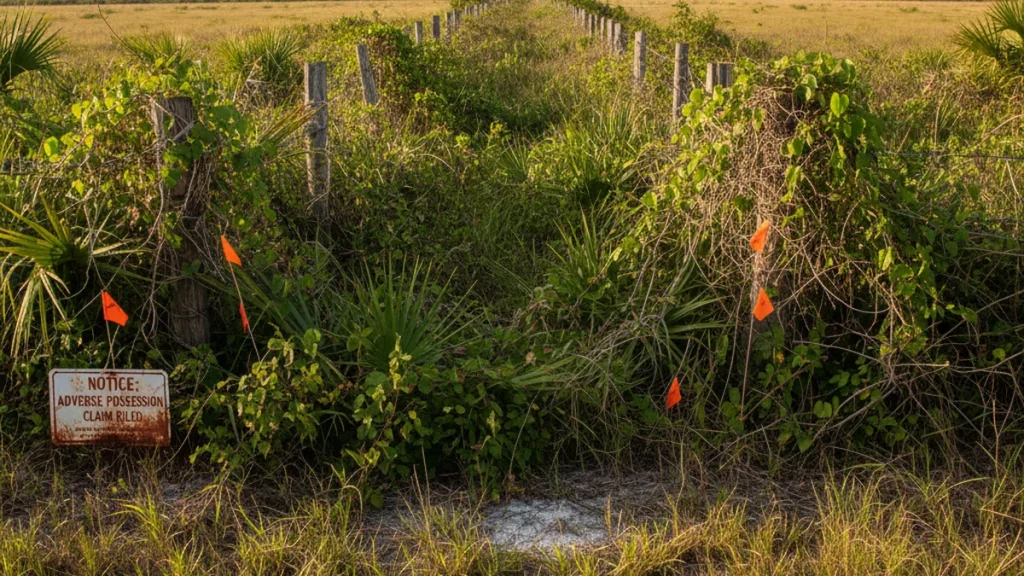
  • Boundary Disagreements: Neighbors disputing over property lines can require legal intervention for resolution.
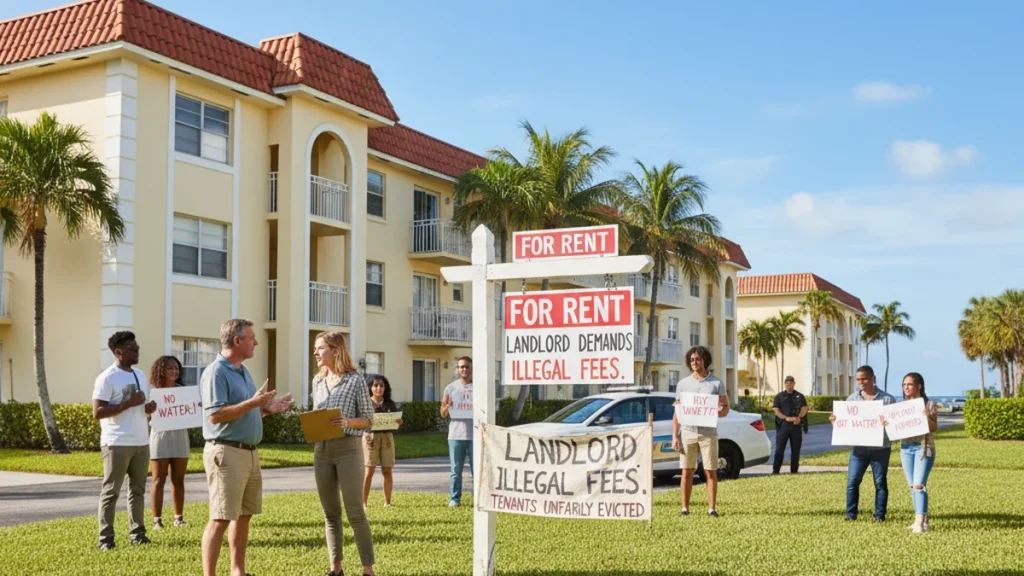
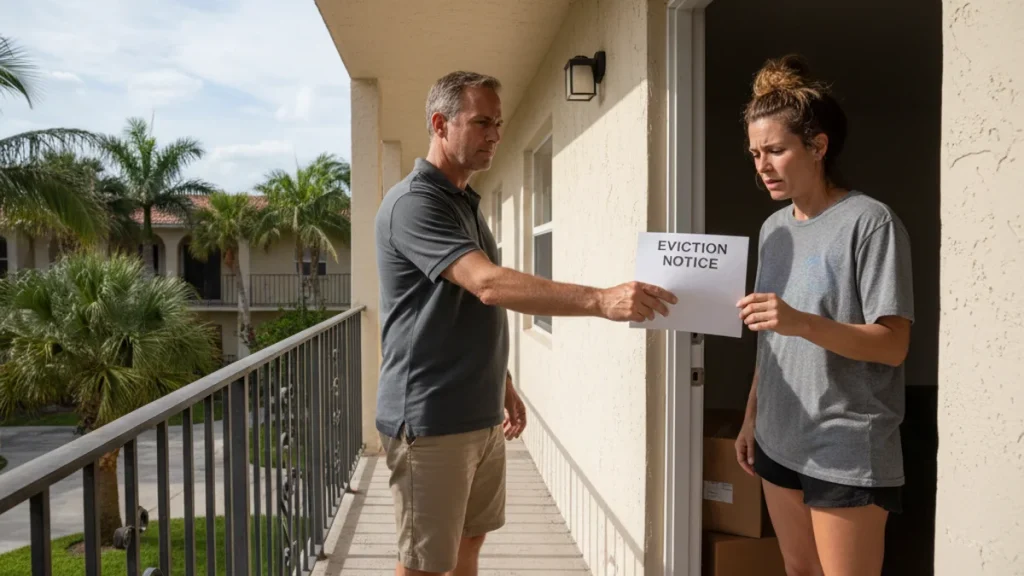
  • Landlord-Tenant Disputes: These often revolve around lease agreements and tenant rights under Florida law.

Florida Real Estate Laws You Should Know

The state of Florida has specific statutes governing real estate transactions. Some key laws include:

Why Hire a Fort Lauderdale Real Estate Litigation Lawyer?

Navigating real estate disputes demands a profound understanding of both the local market and the legal framework. A Fort Lauderdale real estate litigation lawyer offers more than just legal assistance; they provide peace of mind by ensuring your transactions comply with all applicable regulations and that your rights are zealously defended. They also bring experience in conducting negotiations and representing clients in both court and arbitration settings, tailored to the unique landscape of Fort Lauderdale.

Benefits of Legal Representation

  • Comprehensive case assessment and strategy formulation.
  • Expert negotiation skills aimed at dispute resolution without litigation.
  • Representation in lawsuits or arbitration to protect your interests.
  • Guidance in understanding complex legal documents and jargon.

Frequently Asked Questions

Question Answer
What constitutes a real estate contract breach in Fort Lauderdale? A breach occurs when either party fails to fulfill their contractual obligations, like not disclosing property defects or failing to pay.
How can I resolve a boundary dispute with my neighbor? Engage in direct negotiation, use mediation services, or consult with a real estate litigation lawyer for legal action.
When should I contact a real estate litigation lawyer? Contact a lawyer at the first sign of a dispute to avoid escalation and protect your interests.

Local Resources for Fort Lauderdale

There are multiple resources available locally to assist those engaged in real estate litigation matters.

Resource Contact Information
Broward County Clerk of Courts Website
Broward County Property Appraiser Website

About Michael L. Feinstein

Michael L. Feinstein, a seasoned Fort Lauderdale real estate litigation lawyer, provides clients with comprehensive legal services tailored to real estate disputes’ dynamic challenges. Based at 501 East Las Olas Blvd. Suite 300, Fort Lauderdale, FL 33301, Michael strives to impart guidance and support through a compassionate and expert-driven approach. To contact him for your legal needs in Fort Lauderdale, call 954-767-9662 or visit feinsteinlaw.net.


By : Michael Feinstein | October 28, 2024 | Real Estate Litigation

Fort Lauderdale real estate dispute law firm


Fort Lauderdale Real Estate Dispute Law Firm

Understanding Real Estate Dispute Resolution in Fort Lauderdale

In the vibrant and bustling city of Fort Lauderdale, navigating the intricacies of real estate disputes can seem overwhelming. Whether you’re dealing with boundary disagreements, title issues, or contractual problems, accessing knowledgeable and compassionate legal assistance is crucial to achieving a peaceful resolution. For residents and businesses in Fort Lauderdale, understanding the nuances of real estate litigation is the first step towards preserving investments and ensuring peace of mind.

Common Real Estate Disputes in Fort Lauderdale

Fort Lauderdale’s dynamic property market can sometimes lead to various disputes. Knowing the common types of conflicts can better prepare individuals and businesses for potential legal challenges:

  • Boundary Disputes: These arise when property lines are unclear or contested. Legal action may be necessary to define ownership boundaries accurately.
  • Title Conflicts: Questions about rightful ownership can lead to significant complications. Title insurance and legal expertise are crucial in these situations.
  • Contractual Breaches: When parties fail to fulfill contractual obligations in a real estate transaction, legal intervention might be necessary to enforce or resolve terms.
  • Landlord-Tenant Disagreements: Issues such as lease violations or eviction disputes require a sound understanding of tenant rights and landlord responsibilities.

Legal Framework Surrounding Real Estate Disputes

Florida’s legal landscape provides several protections and mechanisms for resolving real estate disputes. Laws such as the Florida Residential Landlord and Tenant Act [Chapter 83, Florida Statutes] and regulations governing property transactions play a crucial role in these matters. Understanding these laws is an integral part of resolving disputes efficiently.

FAQs about Fort Lauderdale Real Estate Dispute Law Firm

Question Answer
What services do Fort Lauderdale real estate dispute law firms offer? These law firms provide legal guidance and representation for issues such as boundary disputes, title conflicts, contractual breaches, and landlord-tenant disagreements.
How can a lawyer help with a real estate dispute? A lawyer can offer legal advice, negotiate settlements, and represent clients in court to resolve disputes efficiently.
What should I look for in a Fort Lauderdale real estate dispute law firm? Prioritize expertise in real estate law, a strong local presence, and a track record of successful dispute resolutions.

Local Resources for Real Estate Disputes

Resource Contact
Broward County Property Appraiser bcpa.net
The Bar Association of Broward County browardbar.org
Fort Lauderdale City Hall fortlauderdale.gov

Choosing the Right Legal Partner for Your Needs

When faced with a real estate dispute, partnering with a proficient law firm is essential. The right legal support can help navigate the complexities of the legal system and protect your interests. In Fort Lauderdale, Michael L. Feinstein is a well-respected figure in the field of real estate and business litigation. With years of experience and a dedicated approach, his law firm provides both the knowledge and the personal attention necessary to achieve favorable outcomes.

Trustworthy Legal Expertise in Fort Lauderdale

Michael L. Feinstein’s law firm offers comprehensive services tailored to the unique needs of Fort Lauderdale’s residents and businesses. Located at 501 East Las Olas Blvd., Suite 300, Fort Lauderdale, FL 33301, and reachable at 954-767-9662 or through feinsteinlaw.net, the firm emphasizes not only legal proficiency but also a commitment to client satisfaction.

By : Michael Feinstein | October 28, 2024 | Real Estate Litigation
Call Now