





 954-767-9662
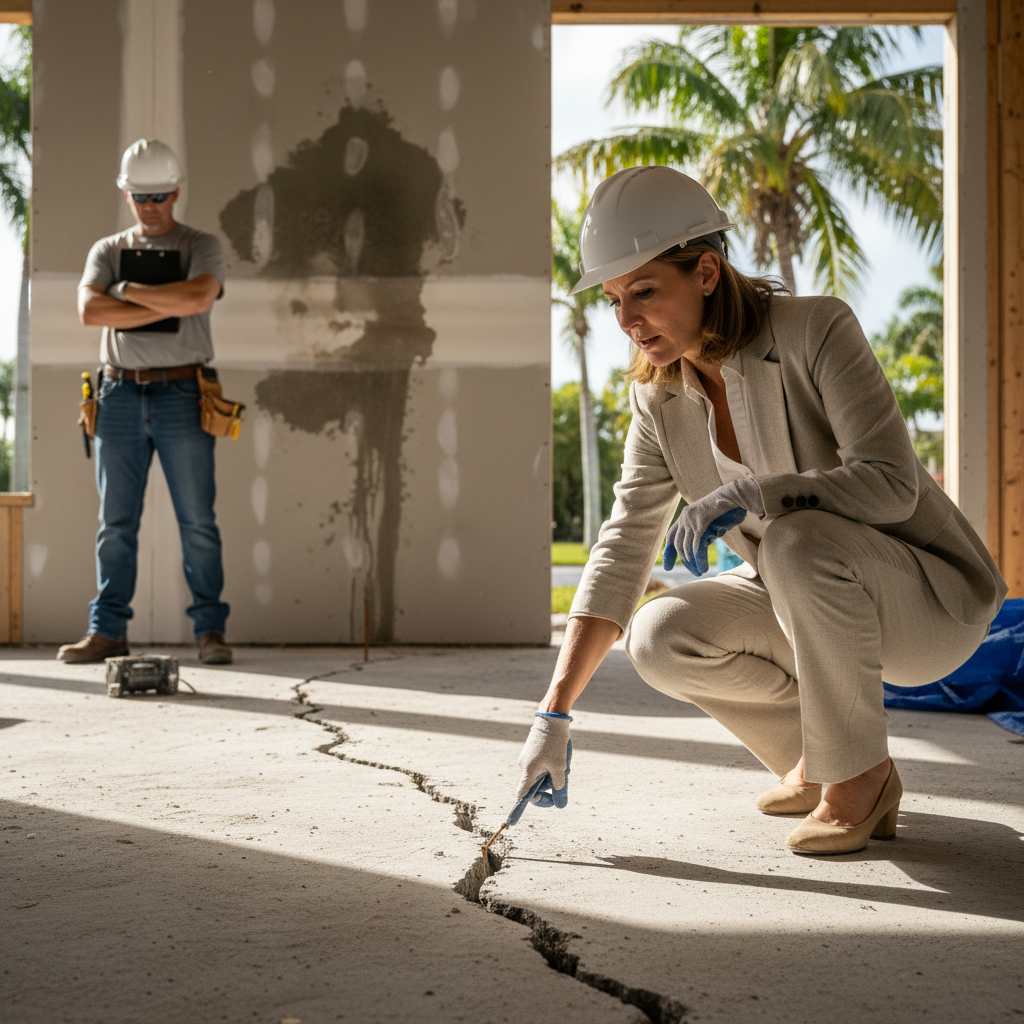
If you’re asking whether you can sue a contractor for defective work in Florida, you probably already have water coming through your ceiling, foundation cracks spreading across your floor, or an electrical system that failed inspection — and the contractor has stopped returning your calls. Suing a contractor for defective work in Florida is absolutely an option, and Florida law gives you several strong tools to pursue it. But the process has strict deadlines and mandatory pre-suit steps that can kill your case if you miss them. Here’s exactly what you need to know before you do anything else.
What Counts as Defective Work Under Florida Law?
The Legal Definition
Florida’s Construction Defect Statute (Chapter 558) defines a defect as any deficiency in design, specifications, surveying, planning, supervision, or construction that results in physical damage to the structure. That’s a broad definition — and intentionally so. It covers faulty workmanship, defective materials, code violations, and design errors that affect your property’s value or safety.
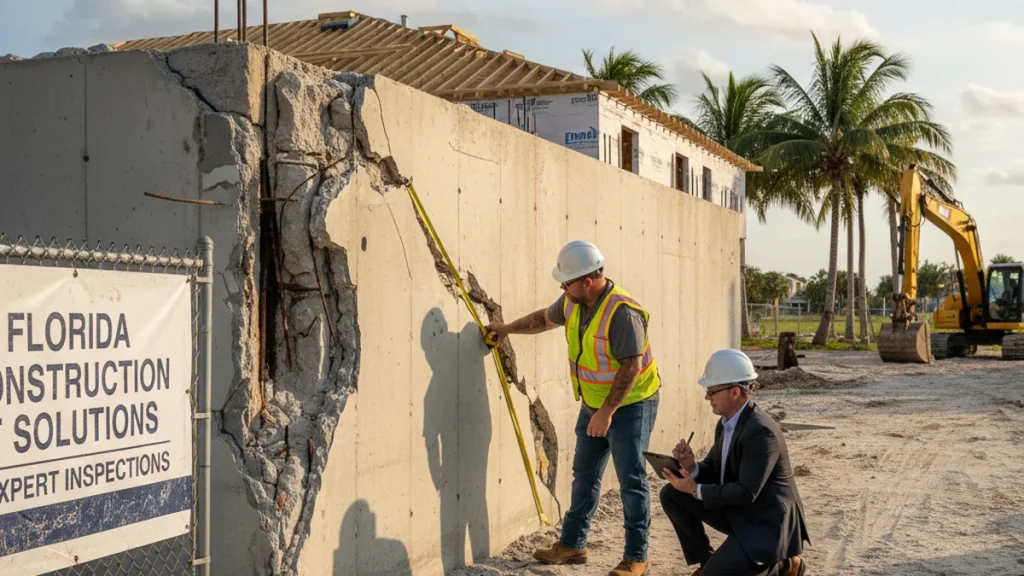
Common Examples That Lead to Lawsuits
- Foundation cracks or settling from improper soil preparation
- Water intrusion through faulty window seals, roofing, or waterproofing
- Electrical or plumbing work that fails code inspection
- Structural failures from undersized framing or inadequate concrete
- Mold resulting from poor ventilation or moisture control
- Tile, flooring, or stucco defects tied to substandard installation
Not every imperfection qualifies. Florida courts ask whether the work deviated from industry standards or the specific contract terms. If you’re unsure whether your situation crosses the line, an experienced Florida construction litigation attorney can help you assess it before you spend a dollar on anything.
Who Can You Actually Sue?
It’s Not Always Just the General Contractor
You’re probably focused on the GC — the person or company you wrote the check to. But Florida construction defect claims can run up the entire chain. You might have valid claims against multiple parties at once, which matters because some defendants carry insurance and others may not.
Potential Defendants
- General contractors — responsible for project delivery and supervising all subs
- Subcontractors — directly liable for their specific scope of work
- Architects and engineers — liable when the defect traces to design errors or negligent specs
- Material suppliers — liable when defective products caused the problem
- Developers — may carry implied warranty of fitness liability on new construction
Identifying all responsible parties early is something a Florida real estate litigation attorney will do as a first step. Wait too long and some parties walk away protected by Florida’s statute of repose.
Florida’s Chapter 558 Pre-Suit Notice — You Can’t Skip This
What the Law Requires
Before you file a lawsuit, Florida law requires you to serve a written Chapter 558 notice of claim on the contractor. This notice must describe the defect in reasonable detail. The contractor then has 45 days (or 30 days for smaller residential repairs) to inspect the property and respond — either with a repair offer, monetary settlement, or denial.
Why This Step Actually Matters
Skipping it can get your case dismissed. But done right, the pre-suit process gives your attorney leverage. If the contractor ignores the notice, denies it without inspection, or makes a lowball offer, that becomes part of your litigation record. Courts look at how both parties behaved before the lawsuit was filed. The Florida DBPR also handles contractor license complaints separately — which is worth pursuing in parallel.
Deadlines — This Is Where Cases Die
Statute of Limitations vs. Statute of Repose
These are two separate clocks, and both can end your right to sue:
| Deadline Type | Timeframe | When Clock Starts |
|---|---|---|
| Statute of Limitations | 4 years | Date you discovered — or reasonably should have discovered — the defect |
| Statute of Repose | 10 years | Date of substantial completion of the construction project |
| Latent Defects | May extend discovery clock | But the 10-year repose deadline is absolute |
The repose deadline is the one that surprises people. Even if you just discovered the defect, if the project was completed more than 10 years ago, your claim is likely gone. If you’re inside that window, don’t wait — contact a Florida construction attorney today.
What Damages Can You Recover?
- Cost of repair — what it actually costs to fix the defective work
- Diminution in value — reduction in your property’s market value
- Consequential damages — temporary housing, lost rent, mold remediation costs
- Attorney fees — recoverable in some cases under contract or statute
Do You Need an Expert Witness?
Yes — Courts Require It
Florida courts require expert testimony in construction defect cases to establish what the standard of care was and how the contractor deviated from it. You’ll typically need a licensed engineer, contractor, or architect who can inspect the defect, document it, and testify about causation. Your attorney handles finding and retaining the right expert — but understand upfront that it’s a cost of litigation. Complex litigation like this moves faster and more efficiently when expert retention happens early.
Frequently Asked Questions
| Question | Answer |
|---|---|
| Can I sue if I already paid the contractor in full? | Yes. Payment does not waive your right to pursue defective work claims. Florida courts consistently hold that paying for bad work doesn’t mean you accepted it. |
| What if the contractor is no longer licensed? | You can still file a civil claim. Report the license issue to Florida DBPR separately — the two processes run independently. |
| Can I sue for emotional distress? | Generally no. Florida construction defect claims are limited to economic damages and property losses unless a physical injury occurred. |
| Does my homeowner’s insurance cover contractor defects? | Possibly for resulting damage (like mold from a leak), but typically not for the defective work itself. Check your policy and notify your insurer early. |
Getting Your Property Fixed — and Your Money Back
You shouldn’t have to absorb the cost of work that was never done right. Feinstein Law represents property owners and developers in Florida construction defect disputes throughout South Florida. Call (954) 767-9662 or visit our contact page to talk through your situation.
About Feinstein Law: Feinstein Law is a Fort Lauderdale-based litigation firm representing clients in construction disputes, real estate litigation, and business litigation throughout Broward, Miami-Dade, and Palm Beach counties.
