Phone

How to Dispute a Mechanics Lien in Florida

Can You Sue a Contractor for Defective Work in Florida?

Resolve Construction Contract Disputes In South Florida

Fort Lauderdale Construction Litigation

Choosing a Construction Litigation Lawyer In Florida

Finding the Right Commercial Real Estate Attorney In Florida

Does Florida’s New Condo Inspection Law Complicate Building Management?

Partners of Water Street Tampa Face $30M Lawsuit for Unpaid Construction

Litigated Closed-Down Golf Course in Palm Beach Residential Area Sells for $33M

$6M Palazzo Villa Condo Sells After 2 Years of Real Estate Litigation

Call Now Email12
Florida's Business Law Firm
Fort Lauderdale Phone954-767-9662

How to Dispute a Mechanics Lien in Florida

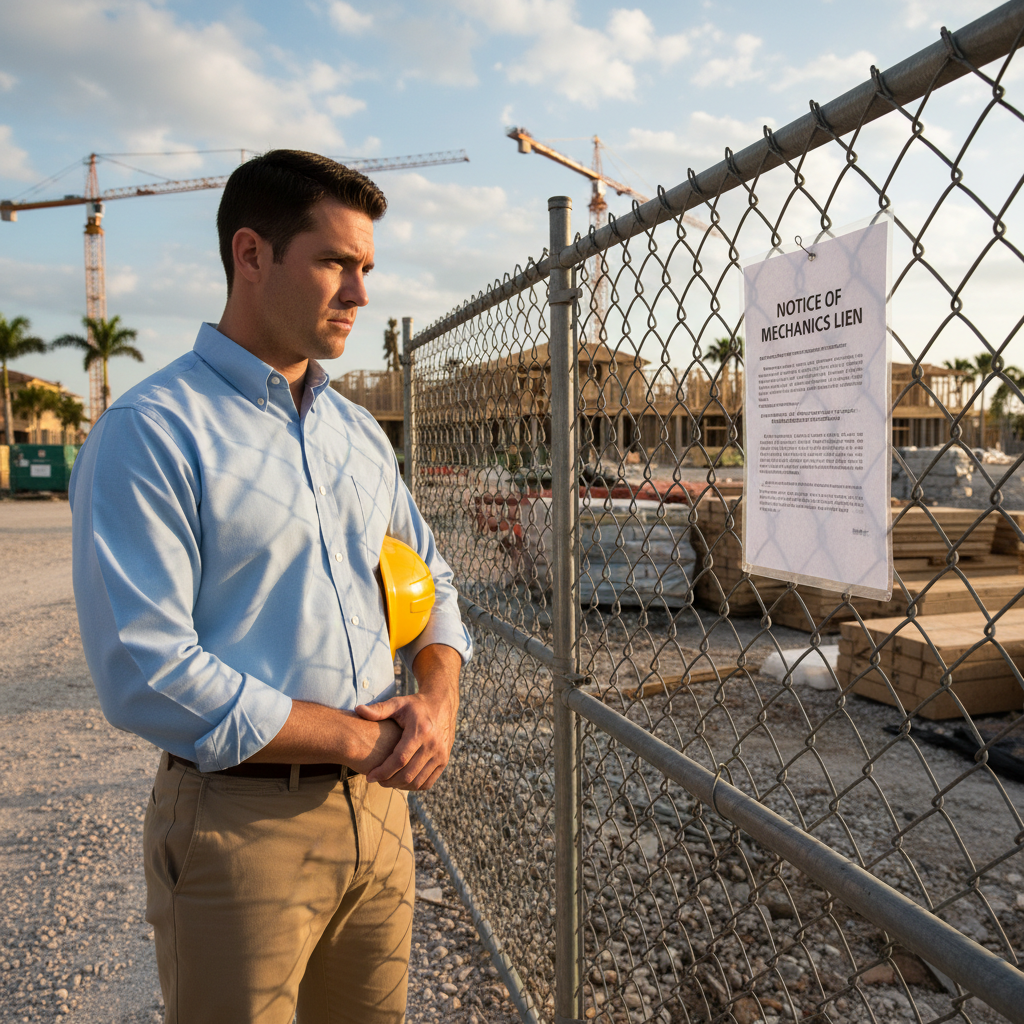
Florida mechanics lien dispute — contractor and property owner

Disputing a mechanics lien in Florida requires understanding strict deadlines, proper legal procedures, and the rights of both property owners and contractors. A Florida mechanics lien gives contractors, subcontractors, and suppliers a security interest in the property they improved when they are not paid. When a lien is improperly filed — or when the amount is disputed — property owners have legal tools to challenge it. Acting within the required timeframes is essential because Florida’s Construction Lien Law is unforgiving about missed deadlines.

Florida mechanics lien dispute — contractor and property owner

Florida’s Construction Lien Law: The Basics

Florida’s Construction Lien Law (Chapter 713) governs who can file a lien, the required notices, and the timelines for enforcement. Key rules include:

  • Contractors must serve a Notice to Owner within 45 days of first furnishing labor or materials
  • Liens must be recorded within 90 days of the last day of furnishing labor or materials
  • Lien foreclosure lawsuits must be filed within 1 year of recording, or the lien is extinguished
  • Property owners can transfer a lien to a bond to clear title while the dispute is resolved

A Florida construction litigation attorney can identify procedural defects in a lien filing that may provide grounds for discharge.

Grounds to Challenge a Florida Mechanics Lien

Not every lien that gets recorded is valid. Common grounds to challenge or discharge a Florida mechanics lien include:

  • Failure to serve the required Notice to Owner before starting work
  • The lien was recorded after the 90-day deadline
  • The lien amount is inflated or includes work not actually performed
  • The liening party does not have a direct contract with the owner or a qualifying subcontract
  • The work was not properly authorized by the property owner

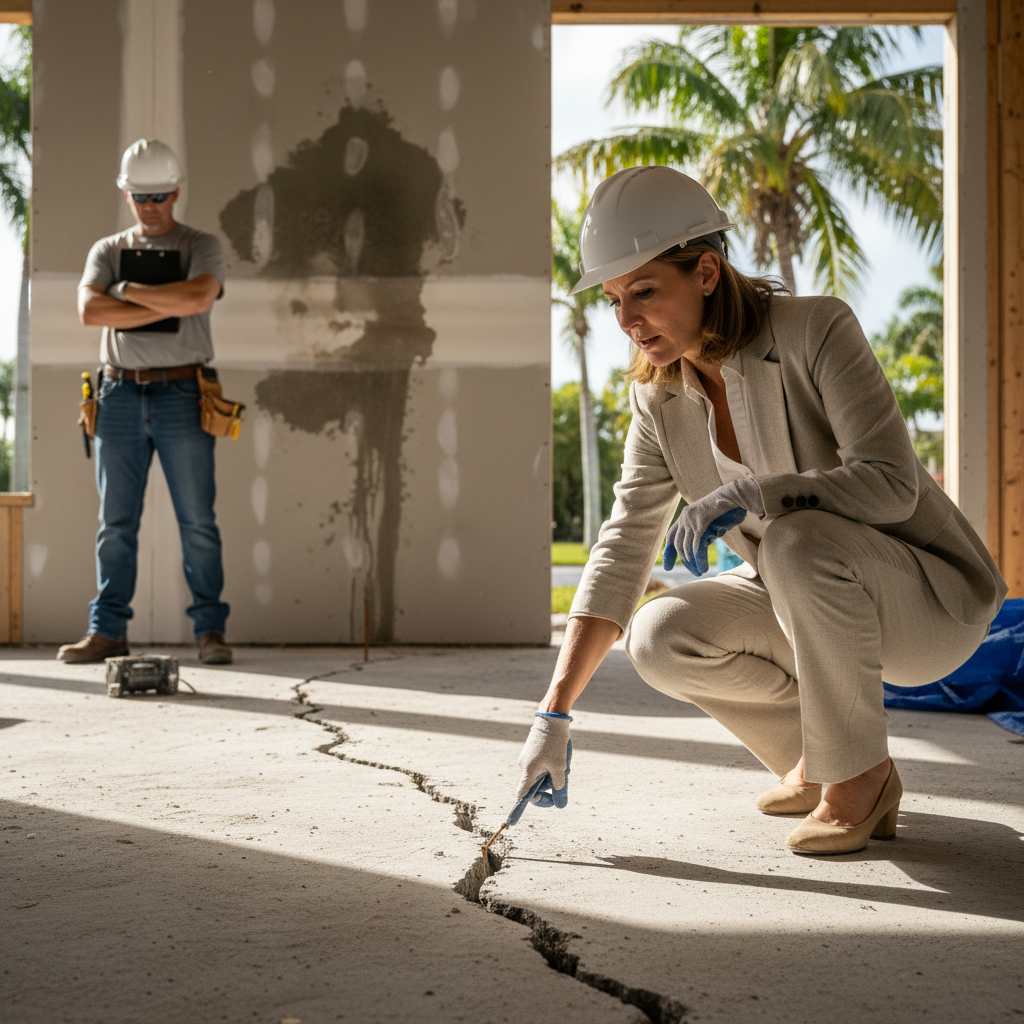
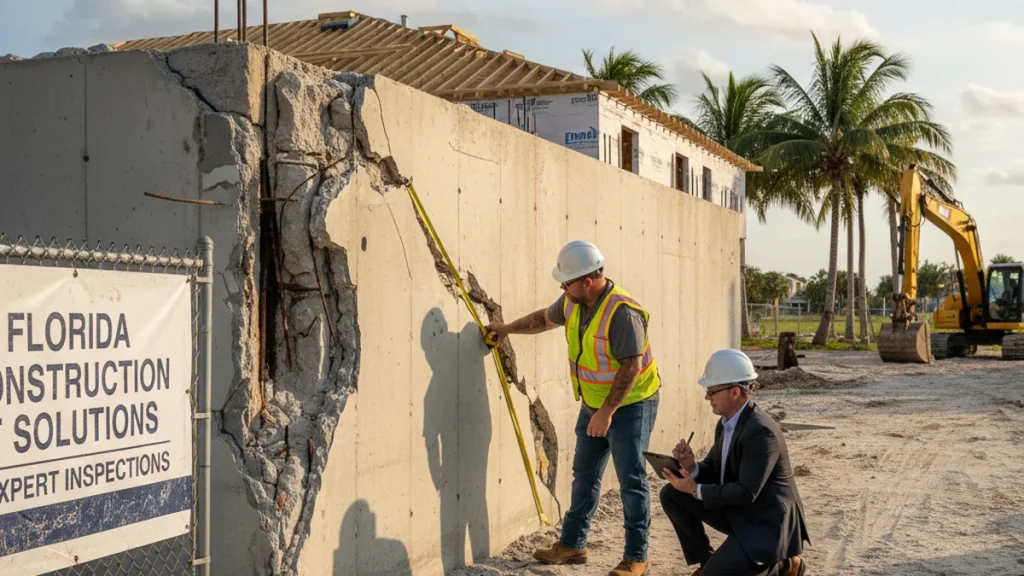
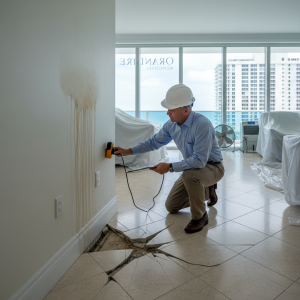
Florida construction defect claim — engineer inspecting damage

How to Discharge or Transfer a Florida Mechanics Lien

Florida law gives property owners two main paths to deal with a recorded lien while a dispute is ongoing:

Method How It Works
Lien Transfer to Bond Owner posts a cash bond or surety bond equal to the lien amount. The lien is removed from the property and the bond becomes the security for the contractor’s claim.
Show Cause / Discharge Proceeding Owner files a motion in circuit court asking the lienor to show cause why the lien should not be discharged for procedural or substantive defects.
Demand to Commence Action Owner serves written demand on lienor to file suit within 60 days or the lien is extinguished by operation of law.

Frequently Asked Questions

Question Answer
Can a subcontractor lien my property in Florida? Yes — if they served a proper Notice to Owner within the required 45-day window and recorded their lien timely.
What happens if I don’t pay a valid mechanics lien in Florida? The liening party can file a foreclosure lawsuit and potentially force a sale of your property to satisfy the debt.
Can I recover attorney fees in a mechanics lien dispute in Florida? Yes. Florida’s Construction Lien Law allows attorney fee awards to the prevailing party in lien foreclosure actions.

Protect Your Florida Property from Invalid Mechanics Liens

A Florida mechanics lien on your property can block a sale, delay a refinance, and create significant financial stress. If a lien has been recorded against your property — or if you are a contractor whose lien rights need to be protected — Feinstein Law can help. Call (954) 452-4000 or visit our contact page for a consultation.

About Feinstein Law: Feinstein Law is a Fort Lauderdale firm handling construction litigation, real estate disputes, and contract matters throughout South Florida.

Understanding these complex legal principles and how they apply to your specific situation is essential for protecting your rights and your business. When disputes arise, acting quickly with qualified legal counsel can mean the difference between a favorable resolution and substantial financial loss.

A mechanics lien represents one of the most powerful collection tools available to contractors, suppliers, and laborers in Florida. When property owners or developers refuse to pay for work performed or materials supplied, a lien clouds the property title and prevents a clean sale or refinancing until the debt is resolved. Understanding when and how to file a mechanics lien — and how to defend against one if you are on the receiving end — is essential for anyone involved in Florida construction.

By : admin | April 11, 2026 | Construction Litigation

Can You Sue a Contractor for Defective Work in Florida?

Florida homeowner suing contractor for defective construction work

Suing a contractor for defective work in Florida is a legitimate legal option when construction fails to meet agreed standards or causes property damage. Florida construction defect claims arise from faulty workmanship, substandard materials, code violations, and design errors that affect a property’s value or safety. Whether you are a homeowner, developer, or property manager, Florida law gives you several paths to recover damages. The key is knowing which claim to file, against whom, and by when.

Florida homeowner suing contractor for defective construction work

What Qualifies as Defective Work Under Florida Law?

Florida Statute Chapter 558 defines a construction defect as a deficiency in design, specifications, surveying, planning, supervision, or construction that results in physical damage to property. Common examples include:

  • Foundation cracks or settling caused by improper soil preparation
  • Water intrusion from faulty window seals, roofing, or waterproofing
  • Electrical or plumbing work that fails code inspection
  • Structural failures from undersized framing or concrete
  • Mold resulting from inadequate ventilation or moisture control

Not every imperfection is a defect. Florida courts look at whether the work deviated from industry standards or the contract specifications. An experienced Florida construction litigation attorney can help you assess whether your situation rises to the level of a claim.

Who Can Be Sued for Defective Construction Work in Florida?

Florida law allows claims against multiple parties in the construction chain. You are not limited to suing only the general contractor. Potential defendants include:

  • General contractors — responsible for overall project delivery and subcontractor supervision
  • Subcontractors — directly liable for their specific scope of work
  • Architects and engineers — liable for design defects or negligent specifications
  • Suppliers and manufacturers — liable when defective materials cause the problem
  • Developers — may be liable for implied warranty of fitness on new construction

Identifying all responsible parties early is critical. Waiting too long can let some parties off the hook under Florida’s statute of limitations and repose.

Florida’s Chapter 558 Notice Requirement

Before filing a Florida construction defect lawsuit, property owners must follow the Chapter 558 pre-suit process. This requires serving written notice of the defect on the contractor. The contractor then has 45 days (or 30 days for residential repairs under $25,000) to inspect the property and respond with a remedy offer, monetary settlement, or denial.

Skipping this step can get your lawsuit dismissed. The process is designed to encourage resolution without litigation — but it also gives your attorney leverage to document the contractor’s response or non-response before court.

Florida construction defect claim — engineer inspecting damage

What Damages Can You Recover?

A successful Florida contractor lawsuit can recover several categories of damages:

Damage Type Description
Cost of repair The actual cost to fix the defective work to contract standard
Diminution in value Reduction in property value caused by the defect
Consequential damages Related losses — temporary relocation, lost rental income, mold remediation
Attorney fees Recoverable in some cases under contract or statute

Deadlines: How Long Do You Have to File in Florida?

Florida imposes strict deadlines on construction defect claims. Missing them eliminates your right to sue entirely.

  • Statute of limitations: 4 years from the date you discovered or reasonably should have discovered the defect
  • Statute of repose: 10 years from the date of completion of construction — an absolute deadline regardless of discovery
  • Latent defects: May extend the discovery clock, but repose still applies

If you have recently discovered damage or a construction issue, consult a Florida construction attorney immediately to protect your claim.

Frequently Asked Questions

Question Answer
Do I need an expert to sue a contractor in Florida? Yes. Courts require expert testimony to establish the standard of care and how the contractor deviated from it.
Can I sue if the contractor is no longer licensed? Yes. You can still pursue civil claims even if the contractor lost their license. The Florida DBPR also handles license complaints separately.
What if I already paid in full? Payment does not waive your right to sue for defective work. Florida courts have consistently held that paying for defective work preserves the right to damages.
Can I sue for emotional distress from construction defects? Generally no, unless the defect caused physical injury. Claims are typically limited to economic damages and property losses.

Protecting Your Rights After Discovering Defective Work

Florida construction defect claims require careful documentation and strict compliance with pre-suit procedures. Acting quickly — and with proper legal guidance — is the difference between recovering your losses and absorbing them. Feinstein Law represents property owners and developers in construction disputes throughout South Florida. Call (954) 452-4000 or visit our contact page to discuss your case.

About Feinstein Law: Feinstein Law is a Fort Lauderdale-based litigation firm representing clients in construction disputes, real estate litigation, and business litigation throughout Broward, Miami-Dade, and Palm Beach counties.

By : admin | April 4, 2026 | Construction Litigation

Resolve Construction Contract Disputes In South Florida

Fort Lauderdale Construction Litigation Lawyer

Construction Project Going Sideways?

Don’t Wait for Court—Resolve Your Contractor Dispute Now

Construction Litigation Attorney | South Florida

The Harsh Reality: Every month you wait to address contractor problems costs you money, delays your project, and increases the likelihood of ending up in expensive litigation. With over 40 years of construction and real estate law experience, Michael Feinstein has seen it all—and knows exactly how to stop problems before they spiral out of control.

You’ve invested significant capital into your construction project—whether it’s a high-end residential renovation, a commercial development, or a multi-family property. You’ve done your due diligence, hired what you thought were reputable contractors, and expected professional results. But now something’s gone wrong.

Maybe the work is substandard. Perhaps costs are spiraling beyond your approved budget. The timeline has stretched from months into what feels like years. Or worse—your contractor has disappeared, leaving you with an unfinished project and mounting bills.

Here’s what you need to understand: waiting to address these issues only makes them worse. The difference between a manageable dispute resolution and a catastrophic litigation nightmare often comes down to how quickly you engage experienced legal counsel.

Common Construction Disputes That Threaten Your Investment

  • Contract Breaches: When contractors fail to perform work according to agreed specifications, timelines, or quality standards outlined in your construction contract.
  • Cost Overruns: Unauthorized budget increases, inflated change orders, and project costs that exceed contracted amounts without proper documentation or approval.
  • Construction Defects: Substandard workmanship, code violations, structural problems, and material defects that compromise safety, value, or functionality.
  • Timeline Delays: Missed deadlines, extended completion dates, and scheduling conflicts that cost you money in extended carrying costs and lost opportunities.
  • Mechanic’s Liens: Legal claims filed against your property by contractors, subcontractors, or suppliers for unpaid work—threatening your ownership rights.
  • Design Disputes: Conflicts between architects, engineers, and contractors over design specifications, buildability issues, and responsibility for design errors.
  • Scope Creep: Unauthorized work, undocumented changes, and disputes over what was included in the original contract scope.
  • Payment Disputes: Disagreements over payment schedules, withholding for defective work, and conflicts over final payment and project closeout.

Warning Signs Your Construction Project Needs Legal Intervention

  • Consistent missed deadlines with vague excuses and no corrective action plan
  • Quality issues that the contractor refuses to acknowledge or repair
  • Unexpected cost increases without proper documentation or change order procedures
  • Communication breakdown where your contractor stops returning calls or emails
  • Work stoppage with materials or workers disappearing from your job site
  • Lien threats from subcontractors or suppliers claiming non-payment
  • Code violations discovered during inspections that the contractor should have prevented
  • Safety concerns indicating negligent or reckless construction practices
  • Payment disputes where the contractor demands money for incomplete or defective work
  • Contractor threatening litigation or making legal demands without proper basis

The True Cost of Waiting: Litigation vs. Early Resolution

Average Costs: Early Intervention vs. Court Litigation

  • Early Resolution: $15K-$50K (typically 2-6 months)
  • Court Litigation: $150K-$500K+ (typically 18-36 months)
Factor Early Legal Intervention Going to Court
Timeline 2-6 months typical resolution 18-36 months to trial verdict
Cost Range $15,000-$50,000 $150,000-$500,000+
Control Over Outcome High – You negotiate terms Low – Judge/jury decides
Business Disruption Minimal – Focused negotiation Extensive – Depositions, discovery, trial prep
Confidentiality Private settlement Public court record
Relationship Preservation Possible to maintain working relationship Adversarial – Burns bridges
Project Completion Can resume work quickly Often halted until resolution
Success Predictability Negotiated certainty Uncertain jury verdicts

The Feinstein Approach: Strategic Resolution Before Court

  1. Immediate Case Assessment: We conduct a comprehensive review of your construction contract, project documentation, correspondence, and current situation. This includes analyzing your legal position, potential exposure, and leverage points for negotiation.
  2. Document Everything: We work with you to compile and organize all relevant evidence: contracts, change orders, payment records, photographs, inspection reports, expert opinions, and communications. Proper documentation is your strongest weapon.
  3. Strategic Demand Letter: Our firm sends a detailed legal demand letter outlining the violations, required remedies, and consequences of non-compliance. This formal notice often motivates contractors to take your concerns seriously and engage in meaningful dialogue.
  4. Negotiated Settlement: We leverage our 40+ years of construction law experience to negotiate favorable terms: completion of work, cost reductions, schedule acceleration, or monetary settlements. Most disputes resolve at this stage.
  5. Alternative Dispute Resolution: If direct negotiation fails, we pursue mediation or arbitration—structured processes that resolve disputes faster and more cost-effectively than court litigation while still protecting your interests.
  6. Litigation When Necessary: If all pre-litigation efforts fail, we’re fully prepared to take your case to court. Our trial experience ensures aggressive representation and the highest probability of success when litigation becomes unavoidable.

Why High Net Worth Property Owners Choose Feinstein Law

  • 40+ Years Experience
  • 100+ Trial Cases
  • $100M+ Transactions Managed
  • AV Preeminent Rated

Michael L. Feinstein, Esquire

  • AV Preeminent Peer Review Rated by Martindale-Hubbell
  • Florida Licensed Real Estate Broker with deep market knowledge
  • Former Licensed Mortgage Broker (25+ years)
  • Represents ultra-high net worth clients in complex construction disputes
  • Successfully resolved hundreds of construction and contractor disputes
  • Extensive trial experience in state and federal courts
  • Recognized expert in South Florida construction and real estate law

The Feinstein Advantage: Triple Expertise. Unlike general practice attorneys, Michael Feinstein brings a unique triple qualification to your construction dispute: Attorney + Real Estate Broker + Former Mortgage Broker. This comprehensive understanding of construction law, real estate transactions, and financing means he sees angles other attorneys miss and negotiates from a position of superior knowledge.

Common Construction Disputes We Handle in South Florida

Whether your property is in Fort Lauderdale, Miami Beach, Palm Beach, Boca Raton, or anywhere across South Florida’s high-end real estate markets, we handle all construction-related disputes:

  • Residential Construction: Custom homes, luxury renovations, oceanfront properties, historic restorations, additions and remodels
  • Commercial Projects: Office buildings, retail centers, restaurants, hotels and resorts, mixed-use developments
  • Multi-Family Properties: Condominiums, apartment complexes, HOA construction disputes, building envelope issues
  • Industrial & Warehouse: Distribution centers, manufacturing facilities, logistics properties, industrial conversions

Real-World Impact: When Early Intervention Saves Your Project

Consider a recent client: a high net worth investor who purchased a historic property for conversion into luxury residences. The contractor fell behind schedule, quality issues emerged, and costs escalated dramatically. When subcontractors threatened liens, our client engaged our firm.

Within 60 days, we:

  • Documented all contract violations and defective work
  • Negotiated removal of the problematic general contractor
  • Facilitated engagement of qualified replacement contractors
  • Prevented all mechanic’s liens from being filed
  • Secured a settlement that covered remediation costs
  • Got the project back on track without litigation

Estimated litigation costs without intervention: $300,000+ and 18-24 months of delays.

Contact Feinstein Law

Call (954) 767-9662
Email for Consultation
Contact Our Firm

Frequently Asked Questions

When should I contact a construction attorney?

Immediately when you notice contract violations, quality issues, cost overruns, or communication breakdown. The earlier you engage legal counsel, the more options you have and the lower your costs will be. Don’t wait until your contractor has disappeared or liens have been filed.

How much does it cost to resolve a construction dispute?

Early intervention typically costs $15,000-$50,000 and resolves within 2-6 months. Full litigation can cost $150,000-$500,000+ and take 18-36 months. The investment in early legal representation almost always saves money compared to waiting.

Can you help if my contractor has already filed a lawsuit?

Absolutely. While early intervention is ideal, we aggressively defend construction lawsuits and have extensive trial experience. We can assess your case, develop defense strategy, and pursue favorable resolution or trial victory.

What if I’ve already paid the contractor in full?

You still have legal remedies. Depending on the defects and contract violations, you may be entitled to damages, cost of repairs, or other compensation. We can assess your rights and pursue recovery.

Do you handle disputes with architects and engineers?

Yes. Construction projects involve multiple parties, and we have extensive experience with architect-owner disputes, engineer liability, design defect claims, and professional negligence matters.

What areas of South Florida do you serve?

We represent clients throughout South Florida, including Fort Lauderdale, Miami, Miami Beach, Boca Raton, Palm Beach, Coral Gables, Aventura, Sunny Isles, Key Biscayne, and surrounding areas. Our Fort Lauderdale office is centrally located to serve the entire region.

Feinstein Real Estate Litigation & Business Law
501 E Las Olas Blvd, Suite 300
Fort Lauderdale, FL 33301
Phone: (954) 767-9662
Alternative: (561) 380-8129

The information provided in this blog is for general informational purposes only and does not constitute legal advice. Every construction dispute is unique and requires individual analysis. Contact Feinstein Law for specific guidance on your situation.

By : admin | January 22, 2026 | Construction Litigation

Fort Lauderdale Construction Litigation

Fort Lauderdale Construction Litigation Attorney

Have Questions About Fort Lauderdale Construction Litigation?

Construction projects in Fort Lauderdale can be a complicated undertaking that requires detailed planning, coordination among various parties, and significant financial investments. Given the complex nature of the nuances involved, it’s not uncommon for disputes to arise between property owners, developers, contractors, and other parties. When these disagreements escalate, construction litigation often becomes necessary to protect each party’s rights and resolve the issues.

Whether you’re a property owner, contractor, or developer, understanding Florida’s construction laws and the litigation process can help you resolve disputes more effectively. If you need immediate assistance, feel free to reach out to Fort Lauderdale Construction Litigation Lawyer Michael L. Feinsten.

Common Types of Construction Disputes in Florida

Construction litigation can arise from various issues that disrupt the completion, safety, or financial terms of a project. Lets look at  some common types of disputes that can lead to construction litigation in Fort Lauderdale:

  1. Breach of Contract
    Contracts are the cornerstone of construction projects, defining the roles, responsibilities, and expectations of each party. When one party fails to fulfill its obligations—whether by missing deadlines, failing to complete work, or not paying on time—it can lead to a breach of contract dispute.
  2. Construction Defects
    Construction defects can range from minor cosmetic issues to serious structural flaws. These defects are often due to poor workmanship, design errors, or substandard materials. In Florida, construction defect claims are subject to specific regulations, including statutes of limitations and pre-suit notice requirements under Florida Statute §558.004.
  3. Delays in Project Completion
    Delays can have significant financial implications for everyone involved in a project. While some delays are unavoidable, such as weather-related setbacks, others occur due to mismanagement or contractual breaches. Parties may seek compensation if a delay results in financial losses.
  4. Payment and Mechanic’s Liens
    Payment disputes are a common cause of construction litigation, particularly when contractors or suppliers are not paid in full. In these cases, contractors or subcontractors may file a mechanic’s lien against the property to secure payment. Florida law provides specific rules for filing and enforcing mechanic’s liens, as outlined in Florida’s Construction Lien Law (Chapter 713, Florida Statutes).
  5. Insurance Coverage Disputes
    Construction projects typically involve multiple types of insurance coverage, including property, liability, and worker’s compensation. Disputes may arise when insurance companies deny claims or refuse to provide coverage for certain damages, often leading to litigation.

Florida Laws Governing Construction Litigation

Several key Florida laws provide the framework for handling construction disputes. Here are some of the most relevant statutes:

Understanding these laws is a necessity for anyone involved in a construction project in Fort Lauderdale. They can impact both the resolution of disputes and the protection of your rights.

Steps to Take If You’re Facing a Construction Dispute

If you’re involved in a construction dispute, taking the right steps early on can significantly impact the outcome. So what do the steps look like? Let’s take a look:

  1. Review the Contract
    Start by carefully reviewing the terms of your contract. Contracts typically outline the responsibilities of each party and any dispute resolution methods, such as mediation or arbitration. Identifying potential breaches or responsibilities can help clarify your position.
  2. Document Everything
    Keep detailed records of all communications, payments, change orders, and any issues that arise. Photographs, emails, and written agreements can serve as valuable evidence if the dispute escalates to litigation.
  3. Attempt Pre-Suit Resolution
    Before pursuing litigation, consider alternative dispute resolution methods like negotiation, mediation, or arbitration. Many contracts include clauses that require these methods before litigation. Attempting to resolve the issue out of court can save time and expenses.
  4. Consult a Construction Litigation Lawyer
    A lawyer experienced in construction litigation can assess your situation, provide legal advice, and help you understand your rights under Florida law. They can also assist in with pre-suit notice requirements, especially in construction defect cases.
  5. Consider Filing a Mechanic’s Lien
    If you’re a contractor or supplier who hasn’t been paid, filing a mechanic’s lien can help secure payment for your services. It’s essential to follow Florida’s lien laws closely, as failure to meet the requirements could invalidate your lien rights.
  6. Proceed with Litigation if Necessary
    If pre-suit negotiations and alternative methods fail, litigation may be the only option. Construction litigation can be exhaustive, involving multiple parties and legal arguments.

Tips for Avoiding Construction Disputes

While disputes can sometimes be unavoidable, there are steps you can take to reduce the risk of conflicts in construction projects:

  • Draft Clear and Comprehensive Contracts
    Contracts are the foundation of any construction project, and they should be as detailed and specific as possible. Outline each party’s roles, responsibilities, and expectations in clear terms to prevent misunderstandings.
  • Communicate Regularly
    Regular communication between property owners, contractors, and subcontractors helps ensure everyone is on the same page. Address potential issues early on and document all changes in writing.
  • Conduct Quality Assurance Checks
    Routine inspections throughout the project can help identify and address issues before they become significant problems. This proactive approach can reduce the likelihood of defects and disputes.
  • Use Payment Schedules and Progress Milestones
    Establishing a payment schedule tied to project milestones helps ensure that all parties meet their obligations. Contractors and property owners alike benefit from payment structures that reflect project progress.

How a Fort Lauderdale Construction Litigation Lawyer Can Help

When disputes do arise, a skilled construction litigation lawyer can provide valuable information and representation. While it’s ideal to avoid litigation, there are times when going to court is necessary to protect your rights and secure compensation.

Michael L. Feinstein is an award-winning real estate and construction litigation attorney in Fort Lauderdale, known for his extensive experience and commitment to client success. By handling all aspects of construction litigation, from contract review and breach of contract claims to lien enforcement and construction defect disputes, Mr. Feinstein provides clients with comprehensive support and legal protection.

If you’re facing a construction dispute in Fort Lauderdale, consulting with a knowledgeable attorney can help ensure that your rights are upheld and that you’re well-positioned for a favorable outcome. While Florida’s construction laws can be nuanced, working with an experienced attorney can make the legal process more manageable.

Contact our office if you need assistance:

Feinstein Real Estate Litigation and Business Law Real estate attorney
501 E Las Olas Blvd #300
Fort Lauderdale, FL 33301
(954) 767-9662

By : Michael Feinstein | October 28, 2024 | Construction Litigation

Choosing a Construction Litigation Lawyer In Florida

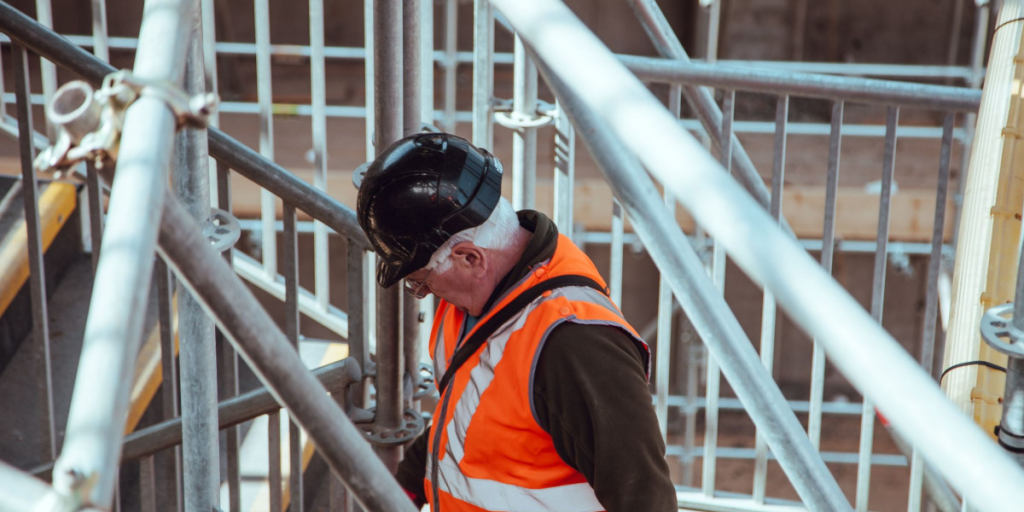
construction worker on site

A construction litigation lawyer in Florida may assist a construction company in resolving a dispute with a subcontractor over payment for work performed, ensuring that all parties adhere to the terms of the contract and Florida construction laws. It’s also important to involve a construction lawyer early on in the process to minimize risks and ensure preparedness, which can ultimately save time and resources in the long run.

What to Look for When Choosing an Attorney

When it comes to choosing the right construction litigation lawyer in Florida, it’s crucial to consider several key factors that can significantly impact the outcome of construction-related legal matters. Understanding the role of a construction litigation lawyer is essential, as these legal professionals provide vital advice to various participants in the construction industry, including drafting and negotiating contracts, and handling disputes about project costs, quality of work, and responsibility for injuries or damages.

  • When evaluating qualities to look for in a construction litigation lawyer, it’s essential to prioritize hiring a board certified construction lawyer with expertise in handling construction disputes. For instance, a board certified construction lawyer may have demonstrated a high level of competence and experience in construction law through rigorous testing and peer evaluation, making them well-equipped to handle complex construction litigation cases.
  • Choosing a local lawyer who understands the legal landscape in the community and has a successful track record in construction litigation cases can be highly beneficial. This local expertise can be particularly advantageous when navigating the intricacies of Florida construction laws and regulations, as well as establishing strong working relationships with local courts and industry professionals.
  • You should also consider the qualifications and certifications needed in a construction litigation lawyer in Florida, ensuring that the lawyer possesses the necessary credentials to handle their specific legal needs effectively.

Handling construction disputes in Florida can be a complex and challenging process, often involving significant complications and delays. Construction attorneys play a crucial role in mitigating these challenges and saving clients time and money when engaged early in the project.

A construction litigation lawyer may assist a property owner in resolving a dispute with a general contractor over defective workmanship, ensuring that the project progresses smoothly and without unnecessary delays. By addressing common issues such as payment discrepancies and workmanship concerns, construction lawyers can provide valuable guidance and legal representation throughout the construction process, ultimately contributing to the successful resolution of disputes and the overall success of the project.

The Importance of Florida Construction Law

Understanding Florida construction laws is paramount for the effectiveness of a construction litigation lawyer. Clients should consider certifications and experience when choosing a construction attorney who understands their needs and possesses expertise in the domain from the outset of the project.

5 Musts for Choosing a Construction Litigation Lawyer In Florida

  1. A construction litigation lawyer with in-depth knowledge of Florida construction laws may be better equipped to navigate complex legal issues, such as filing liens or bond claims for non-payment, ensuring that their clients’ rights are protected throughout the construction process. By leveraging their understanding of Florida construction laws, construction lawyers can provide strategic legal counsel and representation tailored to the unique needs of their clients, ultimately contributing to more favorable outcomes in construction-related legal matters.
  2. Evaluating a lawyer’s successful track record in handling construction litigation cases in Florida is essential. Clients should thoroughly assess a lawyer’s past achievements and case outcomes to gauge their ability to effectively represent their interests in construction disputes.
  3. A lawyer with a proven track record of success in handling construction litigation cases may offer valuable insights and expertise, increasing the likelihood of achieving favorable outcomes in legal disputes related to construction projects. By examining a lawyer’s successful track record, clients can make informed decisions when selecting legal representation for their construction-related legal matters, ensuring that they are well-equipped to address any challenges that may arise throughout the construction process.
  4. Assessing the availability and responsiveness of construction litigation lawyers in Florida is crucial, as it can significantly impact the overall effectiveness of legal representation. Engaging a construction attorney as soon as possible, ideally from day one of the project, can significantly benefit the client by addressing legal matters promptly and effectively.
  5. A responsive construction litigation lawyer may be able to swiftly intervene in a dispute between a developer and a neighboring property owner, preventing the escalation of the conflict and minimizing potential legal liabilities. By prioritizing availability and responsiveness, clients can establish strong communication channels with their legal representatives, ensuring that their concerns are promptly addressed and their interests are diligently advocated for throughout the construction process.

Understanding Rates and Billing Options

Clients should be aware of the rates and billing methods of construction litigation lawyers in Florida and understand the expected cost and fee structure when hiring a construction litigation lawyer. By gaining clarity on the cost and fee structure, clients can make informed decisions regarding their legal budget and financial commitments, ensuring transparency and predictability in their legal expenses.

Additionally, understanding the cost and fee structure can help clients align their expectations with the scope of legal services provided by their chosen construction litigation lawyer, ultimately fostering a constructive and transparent attorney-client relationship.

By leveraging reputable resources and considering relevant qualifications, you can make an informed decision when selecting a construction litigation lawyer, ultimately increasing the likelihood of securing effective legal representation for their construction-related legal needs.

If you need legal representation now, contact us today for a free consultation. We’ll let you know within a few business days if we can accept your case.

By : admin | November 28, 2023 | Business Litigation

Finding the Right Commercial Real Estate Attorney In Florida

commercial real estate

Commercial real estate transactions in Florida are intricate legal processes that necessitate the involvement of a competent commercial real estate attorney. These legal professionals play a crucial role in ensuring the legality and success of transactions, providing essential legal guidance and expertise in navigating complex real estate laws and regulations.

When an entrepreneur or business seeks to purchase a commercial property, an experienced commercial real estate attorney in Florida can offer valuable advice on the legal requirements, potential risks, and necessary documentation to ensure a smooth and legally sound transaction. The critical role of a commercial real estate attorney extends to safeguarding the interests of all parties involved in the transaction. This includes buyers, sellers, developers, and investors.

commercial real estate up close

Why Is a Commercial Property Lawyer Necessary?

By providing legal expertise, a Florida commercial real estate attorney can identify and mitigate potential risks and liabilities present in commercial real estate deals. For instance, in a large-scale commercial development project, an attorney’s involvement can help in conducting due diligence to uncover any legal obstacles or liabilities associated with the property, protecting the client from future disputes or financial losses.

Additionally, the legal complexities and potential pitfalls in commercial real estate transactions underscore the need for legal expertise. Failing to address these complexities can lead to costly disputes and delays in the transaction.

This is especially evident in matters related to zoning issues, environmental regulations, and title disputes. A skilled attorney can effectively address and resolve these legal challenges, ensuring a smooth and legally compliant transaction process. By illustrating the potential pitfalls and legal intricacies involved in commercial real estate transactions, it becomes clear that the involvement of a competent commercial real estate attorney is indeed crucial in the Florida market.

3 Characteristics You Need in a Commercial Real Estate Attorney in Florida

1. Specific Experience and Expertise in Commercial Real Estate Law

When selecting a commercial real estate attorney in Florida, it’s imperative to consider their specific experience and expertise in handling commercial real estate matters. A reputable attorney should have specialized knowledge and experience in areas such as acquisitions, leasing, financing, and development.

An attorney with a proven track record of successful commercial real estate transactions, especially in the Florida market, demonstrates a deep understanding of the unique legal considerations and challenges associated with commercial properties. This specific experience and expertise equip them to provide tailored legal solutions for clients, addressing their individual needs and concerns in the context of the Florida real estate market.

It’s also critical to assess the attorney’s familiarity with commercial real estate regulations specific to Florida. Florida has specific real estate regulations and statutes that govern commercial property transactions.

An attorney with a comprehensive understanding of these regulations can provide accurate legal advice and documentation, ensuring compliance and minimizing legal complications. As a current or potential client, seek an attorney who demonstrates experience in navigating Florida’s real estate regulations and statutes, as this expertise is integral to providing effective legal representation in the state’s commercial real estate market.

2. Successful Track Record and Dispute Resolution Skills

Evaluating an attorney’s track record of successful commercial real estate transactions and effective dispute resolution skills is vital. A strong track record indicates the attorney’s ability to navigate complex deals and achieve favorable outcomes for their clients.

An attorney who has successfully resolved disputes related to commercial real estate, such as contract disputes or property issues, demonstrates their proficiency in addressing complex legal challenges in the Florida market. Additionally, the ability to resolve disputes and conflicts effectively can provide valuable protection for clients, safeguarding their interests and ensuring the success of their commercial real estate transactions.

3. Excellent Reviews from Former Clients

Reviews and testimonials from previous clients serve as important indicators of an attorney’s performance and reputation. Speaking with former clients or reading their testimonials can provide firsthand accounts of the attorney’s approach, communication style, and the overall satisfaction of their clients.

Positive feedback and successful case examples can instill confidence in the attorney’s capability to effectively represent their clients’ interests in commercial real estate transactions, while also demonstrating their understanding of the unique legal challenges associated with commercial properties in Florida. By thoroughly evaluating an attorney’s achievements and successful cases, you can make informed decisions when selecting a commercial real estate attorney to represent their interests in Florida.

Understanding Florida Real Estate Regulations

Having a deep understanding of Florida real estate regulations is paramount when choosing a commercial real estate attorney in Florida. This state’s specific regulations and statutes play a crucial role in governing commercial property transactions.

Florida has strict zoning laws that dictate how a commercial property can be used, and any violations can lead to legal complications and costly disputes. An attorney with comprehensive knowledge of these regulations can guide clients through the intricacies of zoning laws, ensuring that their commercial real estate transactions comply with the state’s legal requirements.

Florida’s real estate regulations encompass environmental laws that impact commercial property development and usage. Attorneys well-versed in these regulations can advise clients on environmental assessments, contamination issues, and compliance with environmental impact studies, thereby mitigating potential liabilities and risks associated with environmental regulations. The ability of our team to navigate and interpret Florida’s specific environmental statutes is vital in safeguarding the interests of our clients and ensuring the success of their transactions.

The state’s real estate laws involve title regulations, property disclosures, and other legal aspects crucial to commercial real estate transactions. Our proficient attorneys can provide comprehensive guidance on title searches, insurance requirements, and the drafting of legally sound property disclosures, minimizing the likelihood of title disputes and legal ambiguities.

By emphasizing the importance of adhering to Florida’s real estate regulations, a skilled attorney can help clients avoid potential legal pitfalls and maintain the validity and integrity of their commercial real estate transactions. When evaluating potential attorneys, remember to observe whether or not they have an in-depth understanding of Florida’s real estate regulations and their ability to leverage this knowledge to benefit their clients.

Assessing Experience and Expertise of a Commercial Real Estate Attorney

When evaluating the experience and expertise of a commercial real estate attorney in Florida, it’s crucial to delve into their achievements and successful cases within the commercial real estate sector. An attorney with a successful track record of facilitating large-scale commercial property acquisitions, negotiating favorable lease agreements, and resolving complex zoning issues demonstrates a high level of competence and proficiency in handling intricate commercial real estate matters.

By reviewing the attorney’s achievements, you’ll gain valuable insights into their ability to navigate complex transactions and deliver favorable outcomes for their clients, particularly in the dynamic and diverse Florida real estate market. By thoroughly evaluating an attorney’s achievements and successful cases, potential clients can make informed decisions when selecting a commercial real estate attorney to represent their interests in the state.

Communication and Availability with the Attorney

Effective communication between an attorney and their client is paramount when choosing a commercial real estate attorney in Florida. The ability to clearly articulate legal strategies, discuss potential risks, and address client concerns is crucial for a successful attorney-client relationship.

A skilled attorney should proactively communicate with the client at each stage of the process, providing updates, and seeking input to ensure alignment with the client’s objectives and expectations.

In addition to effective communication, the availability of the attorney for timely advice and guidance significantly impacts the transaction process. An attorney who is accessible and responsive to client inquiries and needs can instill confidence in the client and contribute to a smoother and more efficient legal process. This level of availability and communication fosters trust and collaboration between the attorney and client, ensuring that the client’s objectives and concerns are effectively addressed throughout the transaction process.

Clear and open communication ensures that the client feels informed and involved in the legal process, leading to a more harmonious working relationship and a more satisfactory legal representation experience. By emphasizing the importance of effective communication and availability, clients can seek commercial real estate lawyers who prioritize transparent and frequent communication, fostering a collaborative and productive attorney-client relationship in the context of commercial real estate transactions in Florida.

Cost and Fee Structure Considerations

It’s crucial for clients to thoroughly understand the costs and billing structure when considering hiring a commercial real estate attorney in Florida. Transparent communication about legal fees, retainer agreements, and any additional costs is essential for making informed decisions.

A reputable attorney is always willing to provide a breakdown of their fee structure, including whether they charge hourly rates, flat fees, or contingency fees, and any additional expenses that may arise during the legal process. This level of transparency allows clients to assess the financial implications of engaging the attorney, ensuring that there are no unexpected surprises along the way.

Having a clear understanding of the fee structure enables you to plan and budget accordingly for legal expenses. If a client is involved in a complex commercial real estate transaction that may require extensive legal support over an extended period, knowing the potential costs upfront can help them make well-informed financial decisions. Additionally, being aware of the billing structure allows clients to compare the offerings of different attorneys and select the one whose fee arrangements align with their budget and expectations.

Understanding the cost implications and fee structure is integral to avoiding misunderstandings and ensuring a transparent and harmonious attorney-client relationship. By proactively addressing cost considerations, clients can enter into the attorney-client relationship with confidence, knowing that they are well-informed about the financial aspects of the legal representation.

Establishing a Genuine Connection with Your Attorney

Building a genuine connection with a commercial real estate attorney is essential for fostering a strong and effective working relationship. This connection goes beyond the professional realm and involves establishing trust, open communication, and a shared understanding of the client’s specific needs and goals. For example, a genuine connection may involve the attorney taking the time to understand the client’s long-term business objectives, providing tailored legal advice that aligns with those objectives, and maintaining transparent communication throughout the entire process.

An honest working relationship often leads to a more personalized approach to legal representation. An attorney who has taken the time to build a strong connection with a client may be better equipped to customize their legal strategies to suit the unique requirements of the client’s commercial real estate transactions. This level of personalized attention can result in a more satisfactory legal representation experience, as the client feels that their attorney truly understands and prioritizes their individual needs.

A genuine connection contributes to a collaborative and productive relationship. When there is mutual respect and understanding between the attorney and the client, it facilitates a more open exchange of ideas, concerns, and objectives.

This collaborative environment can lead to more effective decision-making, problem-solving, and overall success in navigating the complexities of commercial real estate transactions. Ultimately, building a genuine connection with a commercial real estate attorney is pivotal in ensuring a positive and fruitful attorney-client relationship, which is fundamental to the success of any real estate transaction.

Early Involvement of an Attorney in the Process

When dealing with commercial real estate in Florida, hiring an attorney early in the process offers numerous advantages. Firstly, by involving an attorney from the onset, potential issues can be identified and addressed proactively. For example, a property under consideration for purchase may have zoning restrictions that could limit the intended use. An experienced attorney can conduct a thorough review at the outset, identifying any zoning issues and proposing potential solutions to mitigate or resolve these concerns, thus saving time and preventing possible setbacks.

Furthermore, attorneys can provide valuable insights and guidance during the negotiation and due diligence stages. For instance, when negotiating the terms of a commercial lease, having an attorney on board early allows for strategic input to ensure favorable clauses and conditions for the client. Additionally, during the due diligence phase, an attorney’s involvement is instrumental in scrutinizing important documents such as title reports, surveys, and environmental assessments, thereby ensuring that the client proceeds with a comprehensive understanding of the property’s legal status and potential risks.

Moreover, timely legal advice can prevent costly mistakes and missed opportunities in the transaction. For example, an attorney can provide guidance on financing options, tax implications, and potential liabilities associated with the property, enabling the client to make informed decisions and capitalize on opportunities that align with their commercial real estate objectives. Therefore, the early engagement of an attorney ensures that legal considerations are integrated into the transaction from the outset, safeguarding the client’s interests and paving the way for a smooth and successful commercial real estate transaction in Florida.

Wrapping Up

Choosing a commercial real estate attorney in Florida requires deep consideration of multiple factors to ensure an ideal outcome. The attorney’s specific experience and expertise in commercial real estate law, successful track record, effective communication, understanding of costs, and early involvement in the process must be viewed in a transparent fashion. 

By emphasizing these key factors, clients can make informed decisions when selecting a commercial real estate attorney to represent their interests in the dynamic and complex Florida real estate market. Ultimately, the significance of making an informed decision based on the attorney’s experience, communication, cost considerations, and regulatory understanding cannot be overstated, underscoring the importance of establishing a strong attorney-client relationship for successful commercial real estate transactions in Florida.

Need representation for your next project? Have you found yourself in a bind? Contact us now for a free consultation. 

By : admin | November 14, 2023 | Construction Litigation

Does Florida’s New Condo Inspection Law Complicate Building Management?

South Florida is a popular destination for many reasons, from vacations to retirement and more. This makes the real estate market highly competitive, particularly regarding condominiums. Recent changes to state law after the Surfside condo collapse have put more pressure on building owners to maintain their structures, but failure to comply with the new regulations could be costly for condo owners and managers. Here’s what to know and how a qualified real estate litigation law firm can assist you.    

Condo Maintenance Past & Present 

It’s not uncommon for condo owners or building managers to defer scheduled maintenance, repairs, and replacements as long as possible to keep their income-to-expense ratio high. However, this comes at a price for tenants or renters, who are often subjected to subpar or even dangerous conditions when owners delay the work to save money. 

Now, under the new law, condo associations in Florida will have to conduct more frequent inspections for older buildings and will be required to set aside a fund to cover upkeep and necessary repairs as they arise. This will hopefully make it easier for condo owners and managers to approve maintenance requests in a timely fashion without too much concern for how the HOA will pay for the repairs.

The Impact of New Regulations On Tenants 

Unfortunately, few HOAs are going to be willing to absorb the cost of increased inspections and most are going to pass the buck onto their tenants. Maintenance fees are liable to go up substantially, especially for older buildings that have gone through a longer period of neglect. 

It’s worthwhile to note that the majority of people living in older Florida condos are elderly, disabled, and/or on a fixed income. They often don’t have the extra funds to support an increase in maintenance fees to cover the cost of more responsible building management. Although the value of a properly maintained structure shouldn’t be underestimated, the new law will undoubtedly put extra pressure on both tenants and managers.

How a Florida Real Estate Lawyer Can Support You

If you’re affected by the new condo law in Florida, a real estate lawyer can represent you in court, negotiate on your behalf, and give you legal advice about your specific situation. They are familiar with the laws and procedures that apply to condominiums and homeowners associations in the state and can help you navigate through these complex legal issues. Contact Feinstein Real Estate Litigation & Business Law for a consultation to learn more at 954-767-9662.

By : admin | December 15, 2022 | Construction Litigation

Partners of Water Street Tampa Face $30M Lawsuit for Unpaid Construction

Orlando Contract Disputes

Water Street Tampa is an expanding city-within-a-city, however, the developers behind the project are in a bit of hot water. Currently, Water Street Tampa is facing a total of $30M in construction disputes, largely for unpaid contracts. 

More than 20 liens were filed in the Hillsborough County Clerk’s office against Water Street Tampa properties, namely the JW Marriot; an upper-class hotel at 510 Water Street that just opened in December of 2020. The complaint documents state that the project developers owe $29.1 million to contractors for unpaid work. The total amount of the project’s contracts exceeds $348.7 million. 

The liens filed against JW Marriot were done so by Coastal Construction, or one of their many subcontractors. Coastal Construction has declined to make any comment on the liens, but president Craig Klingensmith said at the groundbreaking for another project that typically, their Tampa business dealings tend to go smoothly. He implied that the matter with Water Street Tampa is out-of-the-ordinary for the area, but did not make any specific comments about the Water Street projects or the liens that were filed.  

Owners of the various properties affected have transferred 7 of the liens to surety bonds, totaling $7.1M. A surety bond helps protect the property from foreclosure, but it does not resolve the disputed missing payments. 

Dealing With Unpaid Construction Invoices and Contracts? 

Failure to pay is one of the most common but problematic issues in the construction industry. Many construction firms, project managers, subcontractors, and other entities find that the property owners that hired them don’t have the money to pay the construction invoices or they never planned on paying at all. 

Recouping these losses can be difficult without the help of an experienced Florida construction litigation attorney. At Feinstein Real Estate Litigation & Business Law, we have the skills needed to provide your company with zealous legal representation in the face of high-dollar disputes. 

Contact us for your initial consultation today at  954-767-9662 (Fort Lauderdale), 561-981-6212 (Boca Raton), or 305-728-5267 (Miami).

By : admin | April 10, 2021 | Construction Litigation

Litigated Closed-Down Golf Course in Palm Beach Residential Area Sells for $33M

Fort Lauderdale Real Estate Litigation

A closed-down golf course in Boca Raton has sold for $33M after years of being mired in litigation. The Mizner Trail Golf Club was purchased by a West Palm Beach County real estate company that may build additional residential homes on the land after leveling the golf course. 

Residents Fighting Against Redevelopment 

The 125-acre golf course was the subject of heated litigation on both sides as residents surrounding the area fought against the redevelopment of the course for many years. They introduced lawsuits to halt development on the property, however, lost in 2014 when a Palm Beach County commission approved the area for redevelopment. However, it wasn’t until the end of 2019 that the golf course sold. 

Meeting New Housing Needs 

Housing trends in Florida are heading towards easy-to-build, single-family homes that can be rented and are simple to maintain and revamp in between tenants. The Mizner Trail Golf Club will likely be used as land for these new types of rentals, despite the disapproval of nearby residents. It is unknown if this is the confirmed plan for the property though, and construction may not begin for some time. 

As the need for housing in Florida continues to grow, more areas like this shuttered golf course may be sold for redevelopment into functional spaces that can provide homes to residents in need. 

Are You Involved in Real Estate Litigation? Get Legal Help Now 

If you’re interested in acquiring or developing a property and are facing opposition from residents or businesses in the area, it’s important that you have adequate legal representation throughout the process. Not only do you want to make sure that your best interests are protected, you also want to be confident that you’re abiding by all zoning and development laws. 

Without the help of an experienced real estate litigation attorney, you may lose more than just time and money. Your reputation is also at stake, so it’s critical that you act quickly and consistently. 

Feinstein Real Estate Litigation & Business Law Can Help 

At Feinstein Real Estate Litigation & Business Law, we have years of experience protecting the rights and interests of our clients in a wide variety of real estate and business litigation matters. We’re not afraid to settle out of court or go toe to toe in the courtroom; whatever your case needs for success, we’re ready to rise to the occasion. 

Contact our office today to schedule your consultation at 954-767-9662.

By : admin | January 27, 2021 | Construction Litigation

$6M Palazzo Villa Condo Sells After 2 Years of Real Estate Litigation

Orlando Contract Disputes

After two years of contentious real estate litigation, the last of four Palazzo Villa condos in Palm Beach was sold for $6 million. 219 Brazilian Ave. in Midtown now belongs to a Florida limited liability company called 219 Brazilian LLC. 

A Real Estate Lawsuit Dating Back to January 2018

In January 2018, Palm Beach couple Robert and Francine Green brought a lawsuit against four companies: three of them related to ARCA U.S. Holding Corp. and the fourth, Palazzo Villas of Palm Beach Development, Inc. 

The Greens alleged that Palazzo Villas breached their contract after the couple put down a $1.4 million deposit for the condo at 219 Brazilian Ave., listed for sale in May 2016 for $7.195 million. 

In the real estate lawsuit, the Greens stated that Palazzo Villas failed to deliver the condo as promised in the contract and additionally did not refund their deposit. 

Palazzo Villas denied the allegations and countersued the Greens. Litigation continued for two years until a settlement was finally reached. 

A Confidential Settlement 

In December 2020, the claim was resolved by Palm Beach County Circuit judge James L. Martz, with neither party the winner. 

The settlement itself remained confidential, however, both the Greens’ lawsuit and the countersuit against them by Palazzo Villas were dismissed and each party is responsible for their own legal expenses. It is unclear whether the Greens were reimbursed for their $1.4 million deposit. 

It also remains unknown if the Greens did end up being the purchasers of the property through a company called 219 Brazilian LLC. The condo was sold off-market at the end of December for just $6.05 million. 

Involved in Real Estate Litigation? Feinstein Law Can Help 

Real estate litigation can be complex and drag on for months or even years, like Green vs. Palazzo Villas. It’s crucial that you have an aggressive litigator on your side who is comfortable in the courtroom and can zealously represent your best interests. Regardless of which side of the case you are on, our team can provide you with the smart legal strategies you need for success. 

Feinstein Real Estate Litigation & Business Law has extensive experience advocating for our clients in court, even against the toughest and largest legal teams. We can help you resolve your lawsuit and increase the chances that the final court order is in your favor. 

Call now for a consultation at 954-767-9662. 

By : admin | December 27, 2020 | Construction Litigation
Call Now