
Phone

What Happens When a Real Estate Contract Falls Through in Florida

Florida Luxury Home Buyers: Why You Need a Real Estate Attorney at Closing

Real Estate Lease Agreements

Fort Lauderdale Real Estate Contracts

Call Now Email12
Florida's Business Law Firm
Fort Lauderdale Phone954-767-9662

What Happens When a Real Estate Contract Falls Through in Florida

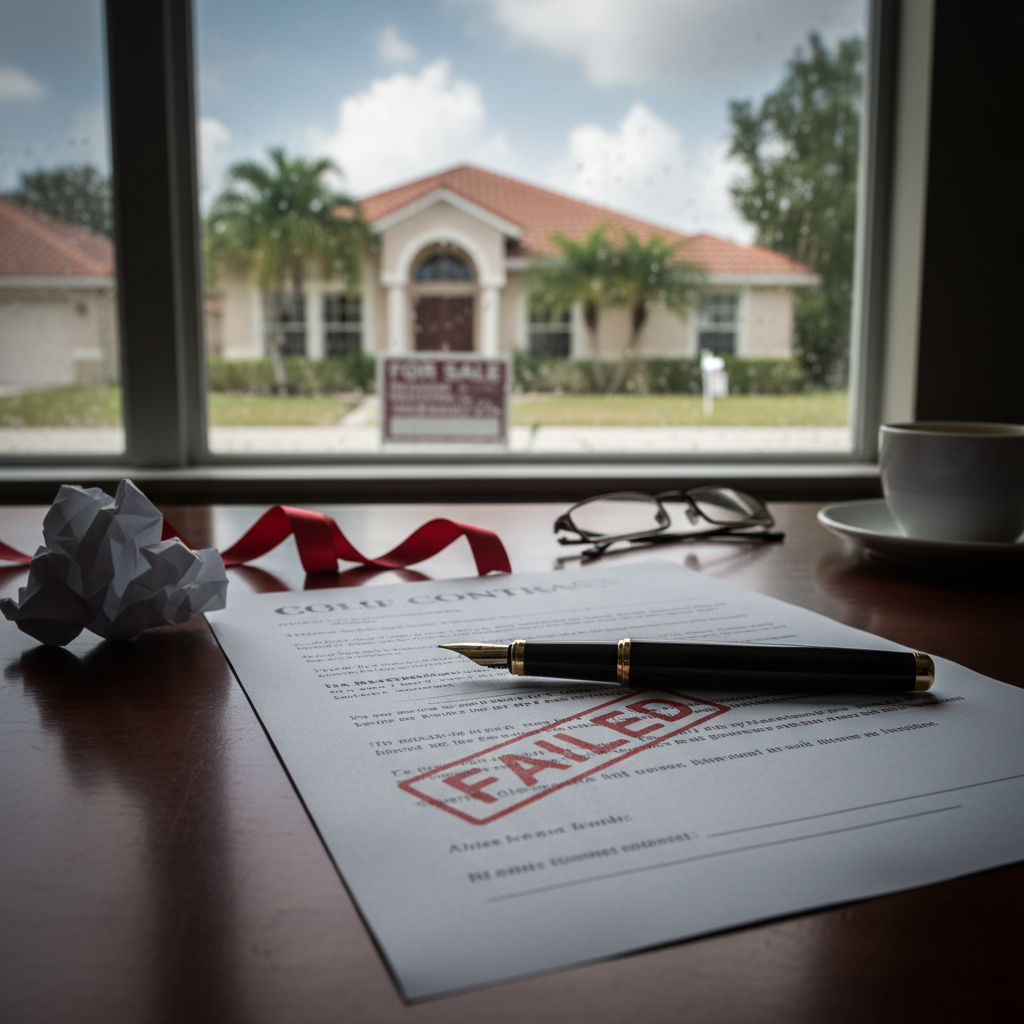
Florida real estate contract falls through — deposit and legal remedies

When a real estate contract falls through in Florida, the legal consequences depend entirely on why the deal failed and what the purchase contract says about it. Some buyers and sellers walk away clean. Others face lawsuits, lose deposits, or find themselves forced to close a transaction they tried to escape. Florida real estate law does not treat all contract failures the same — understanding your rights and obligations before a deal collapses is the only way to protect yourself from an outcome that costs far more than the deal was worth.

Real estate contracts in Florida are binding legal agreements. When one party fails to perform, the other party has remedies — and courts take those remedies seriously. Whether you are a buyer who wants out, a seller whose buyer stopped responding, or a broker whose commission vanished when a deal died, the specific facts of your situation determine your legal position.

A Florida real estate contract attorney can assess whether a party had the legal right to terminate, whether a deposit should be returned, and whether litigation is warranted. Acting before the other side files a lawsuit — or a lis pendens — puts you in a significantly stronger position.

Legitimate Reasons a Florida Real Estate Contract Can Fall Through

Reason Who Can Terminate Is the Deposit Returned?
Financing contingency not met Buyer Yes — if properly exercised within the deadline
Inspection contingency — unacceptable defects Buyer Yes — if exercised during the inspection period
Title defect seller cannot cure Buyer or mutual termination Yes — deposit returned to buyer
HOA disapproval of buyer Buyer Yes — in most cases
Seller cannot deliver clear title Buyer Yes — deposit returned
Seller defaults on obligation Buyer (chooses to terminate) Yes — plus potential damages

The key word in each of these is timing. Florida real estate contracts are built around deadlines. Miss an inspection period deadline by even one day and you lose the right to terminate for that reason. Miss the financing contingency deadline and your deposit may be at risk. Florida courts enforce these deadlines strictly.

What Happens to the Deposit When a Florida Real Estate Deal Falls Apart?

The earnest money deposit is often the first point of conflict when a real estate contract falls through in Florida. The Florida Realtors/Florida Bar “AS IS” contract — the most commonly used purchase contract in South Florida — specifies that:

  • If the buyer properly exercises a contingency, the deposit is returned in full
  • If the buyer backs out without a valid contractual right, the seller may claim the deposit as liquidated damages
  • If the seller defaults, the buyer can demand the deposit back AND may sue for additional damages or specific performance
  • If both parties dispute the deposit, the escrow agent can file an interpleader action with the court

Deposit disputes frequently escalate into real estate contract litigation. Sellers want to keep the deposit as compensation for time off market. Buyers want every dollar back. When both sides have plausible arguments, litigation or Florida Statute §44.102 becomes necessary to resolve the dispute.

Florida real estate contract cancelled — deposit dispute concept

The Florida Realtors/Florida Bar “AS IS” Contract governs most South Florida residential transactions. Its specific contingency deadlines, deposit terms, and default remedies are what courts look to when a deal falls apart.

Can a Seller Sue a Buyer Who Backs Out in Florida?

Yes. Florida law gives sellers three potential remedies when a buyer walks away without contractual justification:

  • Retain the deposit as liquidated damages (if the contract specifies this as the exclusive remedy)
  • Sue for actual damages — including carrying costs, price difference if the property later sold for less, and marketing costs
  • Sue for specific performance — asking the court to compel the buyer to close

Which remedy is available depends on the contract language. Most Florida residential contracts limit the seller to the deposit as liquidated damages. But commercial contracts often leave specific performance and full damages available — which is why commercial real estate contract disputes in Florida tend to be more contentious.

Florida real estate contract cancelled — deposit dispute concept

Frequently Asked Questions: Failed Real Estate Contracts in Florida

Question Answer
Can I back out of a real estate contract in Florida after signing? Only if you have a contractual right to do so — such as an active inspection or financing contingency.
How long does a seller have to return a deposit in Florida? The escrow agent must disburse within a reasonable time after proper written demand — disputes go to mediation or court.
What if a seller refuses to close? The buyer can sue for specific performance or recover the deposit plus damages caused by the breach.
Is a verbal real estate agreement enforceable in Florida? No. Under Florida’s Statute of Frauds, real estate contracts must be in writing to be enforceable.

When a Florida Real Estate Deal Fails, Act Quickly

A Florida real estate contract that falls through creates immediate legal risks for both sides. Deadlines for exercising rights, filing claims, and protecting deposits are short. Feinstein Law represents buyers, sellers, and investors in Florida real estate contract disputes — from Fort Lauderdale real estate litigation through settlement and trial. Call (954) 767-9622 or use our contact page to speak with an attorney today.

About Feinstein Law

Feinstein Law is a Fort Lauderdale real estate and business litigation firm representing buyers, sellers, and developers in contract disputes, deposit conflicts, and complex property transactions across South Florida.

By : admin | March 24, 2026 | Real Estate Contracts

Florida Luxury Home Buyers: Why You Need a Real Estate Attorney at Closing

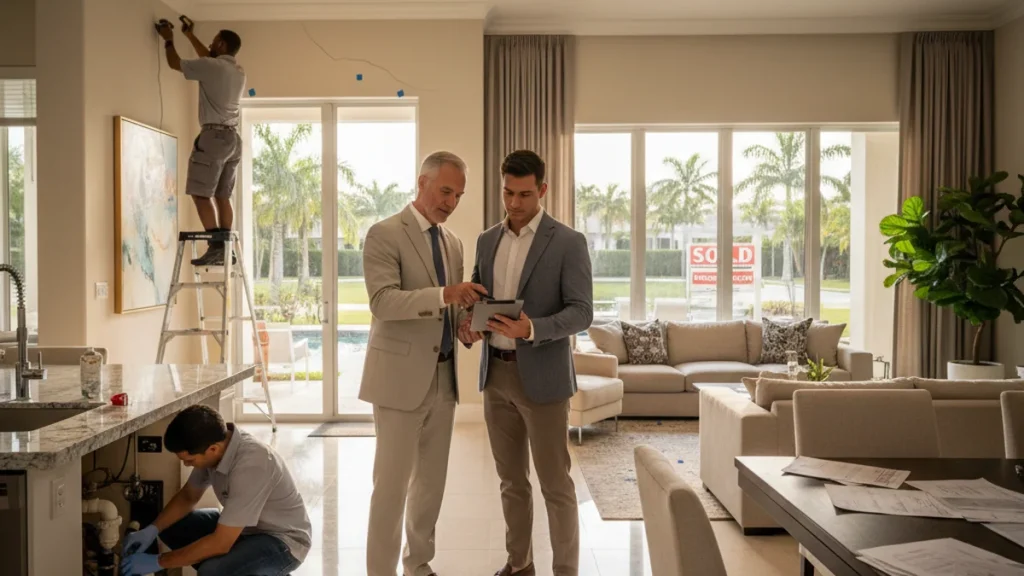
Florida luxury home closing attorney reviewing purchase documents

Buying a luxury home in Florida is one of the largest financial decisions most people ever make — and one of the most legally complex. At the top of the market, purchase contracts are dense, negotiated heavily, and full of terms that carry significant consequences if misread or ignored. A real estate attorney who specializes in high-value Florida transactions can protect you from title defects, unFlorida Statute §689.261d liabilities, unfair contract terms, and costly post-closing surprises that buyers never saw coming. Here is why having the right legal counsel at your luxury closing is not optional — it is essential.

The Florida Real Estate Commission (FREC) sets licensing and conduct standards for real estate professionals. Understanding their oversight role helps buyers know where to report agent misconduct in addition to pursuing civil claims.

Florida real estate law governs these transactions.

Florida does not legally require buyers to use an attorney in a real estate transaction. But for a multimillion-dollar purchase — waterfront estates, Las Olas mansions, Bal Harbour condominiums, or Boca Raton golf properties — the risks of proceeding without independent legal review are significant. Title companies protect the lender, not the buyer. The seller’s attorney represents the seller. Your real estate agent cannot give you legal advice. That leaves you exposed unless you bring your own counsel.

A luxury real estate attorney in Fort Lauderdale reviews the purchase contract, investigates title, identifies potential litigation risks, and ensures the closing process proceeds on your terms — not the seller’s. This single investment in legal representation can prevent years of costly real estate litigation after the keys change hands.

What a Real Estate Attorney Does at a Luxury Closing in Florida

Task Why It Matters for Luxury Buyers
Contract Review Identifies unfavorable terms, missing contingencies, and seller-favorable clauses
Title Search & Review Reveals liens, easements, encroachments, or ownership gaps that a basic title policy may not cover
Due Diligence Coordination Works with inspectors, surveyors, and engineers to ensure all findings are addressed before closing
Seller Disclosure Review Analyzes what was disclosed and flags what may have been omitted under Florida law
Closing Document Review Ensures HUD/ALTA settlement statement, deed, and transfer documents are accurate
HOA Review Reviews association documents, pending assessments, and litigation the community is involved in

Each of these steps is critical in a luxury transaction. A single lien discovered after closing in a high-value deal can cost hundreds of thousands of dollars to resolve. An undisclosed HOA special assessment on a $5M condo can add tens of thousands in unexpected fees the day after you move in.

Common Legal Issues in Florida Luxury Real Estate Closings

These issues appear most often in South Florida luxury transactions — and most are preventable with proper legal review before closing:

  • Undisclosed material defects: Sellers are required under Florida law to disclose known defects. In waterfront and historic properties, concealed defects are common.
  • Title defects: Prior owner disputes, probate issues, or unpaid liens that survived prior sales can surface years later.
  • Encroachments: Fences, structures, or driveways that cross property boundaries — common in older estate communities.
  • Zoning and permit violations: Unpermitted additions, pools, or dock structures that violate local code in cities like Fort Lauderdale, Pompano Beach, or Boca Raton.
  • Preconstruction contract risk: Luxury developments often involve preconstruction purchases — which carry developer default risk and delivery delay disputes.

When any of these issues materialize after closing, the result is often real estate contract litigation. Prevention through proper legal review is always faster and cheaper than litigation after the fact.

Florida luxury real estate closing table — title documents and keys

Why Standard Title Insurance Is Not Enough for Luxury Buyers

Title insurance protects against specific, known risks — primarily prior liens and ownership disputes that appear in the public record. It does not cover:

  • Survey issues, boundary disputes, or encroachments not shown in public records
  • Undisclosed seller defects that fall outside title coverage
  • HOA governance problems, pending litigation, or reserve fund shortfalls
  • Environmental contamination or flood zone reclassifications
  • Zoning changes or code violations that affect the property’s use

A real estate attorney looks beyond the title search to examine the full picture of the property’s legal standing. For a luxury home purchase in Florida, that extended due diligence is the difference between a clean closing and a legal headache that follows you for years.

Florida luxury real estate closing table — title documents and keys

Frequently Asked Questions: Luxury Real Estate Closings in Florida

Question Answer
Is a real estate attorney required at closing in Florida? No, but for luxury transactions the risk of proceeding without one is significant.
What is the attorney’s role vs. the title company? The title company handles the mechanics of closing. Your attorney represents your legal interests specifically.
Can I sue the seller after closing for undisclosed defects? Yes — Florida law allows fraud and misrepresentation claims after closing when the seller knew and concealed defects.
What if I discover a title problem after I close? Contact a real estate litigation attorney immediately — time limits apply to title claims.

Protect Your Luxury Investment Before You Sign

For Florida luxury home buyers, the right real estate attorney is not a cost — it is protection. Feinstein Law guides South Florida buyers through high-value closings and represents clients when real estate disputes arise after closing. Call (954) 767-9622 or visit our contact page before your next luxury transaction.

About Feinstein Law

Feinstein Law is a Fort Lauderdale-based real estate and business litigation firm serving buyers, sellers, and investors throughout South Florida in complex property transactions and disputes.

By : admin | February 26, 2026 | Real Estate Contracts

Real Estate Lease Agreements

Real estate attorney's desk with contract, clipboard, and glasses representing property closing paperwork in Fort Lauderdale

Real Estate Lease Agreements in Fort Lauderdale

There is no suprise that in Fort Lauderdale’s real estate market, lease agreements are the foundation for clear and legally sound relationships between landlords and tenants. Whether you’re leasing residential or commercial property, a well-drafted real estate lease agreement is par for the course in order to protect your interests, avoid disputes, and comply with Florida law. Fort Lauderdale Real Estate Attorney Michael L. Feinstein and our team are here to answer any questions you may have at (954) 767-9662.

Why Are Real Estate Lease Agreements Important?

Real estate lease agreements provide a legally binding framework for the landlord-tenant relationship. They outline each party’s rights and responsibilities, including rental payments, maintenance obligations, and terms for lease termination. For property owners, a strong lease agreement is a given for managing tenants effectively, ensuring property upkeep, and maintaining consistent income. Tenants, on the other hand, benefit from a clear understanding of their obligations and protections, which helps them plan their occupancy without unexpected issues.

Unlike shorter-term rental agreements, leases are typically long-term contracts, often lasting one to five years, making it even more essential for both parties to understand the terms they’re committing to.

Basic Overview of Real Estate Lease Agreements in Fort Lauderdale

A comprehensive lease agreement should cover specific elements to ensure clarity and avoid conflicts down the road. Here are some essential components to include in a Fort Lauderdale real estate lease agreement:

  1. Lease Duration and Renewal Terms
    Lease agreements should specify the start and end dates, as well as any renewal options. For commercial leases, terms are often multi-year, while residential leases may last one year. Renewal clauses can provide flexibility, allowing tenants to extend their stay if desired and giving landlords ample time to find new tenants if necessary.
  2. Rental Amount and Payment Schedule
    The agreement should outline the rent amount, payment due date, acceptable payment methods, and any late fees. For commercial leases, rent structures may include additional expenses like common area maintenance (CAM) fees, taxes, and utilities, which need to be clearly outlined.
  3. Security Deposit and Conditions for Return
    Florida law allows landlords to collect a security deposit as protection against potential damage or unpaid rent. The lease agreement should state the deposit amount, conditions for withholding, and the return timeline. According to Florida Statutes § 83.49, landlords have 15 days to return the deposit after the lease ends, or 30 days if they intend to make deductions.
  4. Maintenance and Repairs
    Clearly defining who is responsible for property maintenance and repairs is crucial. Residential leases generally require landlords to maintain a habitable property, including functional plumbing, electricity, and pest control. Commercial leases may place more responsibility on the tenant, especially in modified or triple-net leases, where tenants cover repair costs.
  5. Occupancy and Subleasing Rights
    For residential leases, occupancy terms may specify the number of tenants allowed, while commercial leases should outline permitted uses for the space. Subleasing rights, if allowed, need to be clearly addressed, as some landlords may restrict subleasing to protect their interests.
  6. Entry Rights for Landlords
    Florida law gives landlords the right to enter rental properties with reasonable notice (typically 12 hours) for inspections or repairs. The lease agreement should specify the terms for landlord entry to protect tenant privacy while ensuring property upkeep.
  7. Insurance Requirements
    For commercial leases, landlords often require tenants to carry liability insurance. Residential tenants may also benefit from renters insurance. Specifying insurance requirements within the lease can protect both parties in case of property damage or injury.
  8. Termination and Eviction Clauses
    Termination clauses outline the conditions under which the lease can end early, including for non-payment, lease violations, or property sale. Florida law requires landlords to follow specific procedures for eviction, as per Florida Statutes § 83.56, ensuring tenants are given notice before legal action is pursued.

Florida Laws Governing Real Estate Lease Agreements

Florida has several laws that impact lease agreements, protecting the rights of both landlords and tenants. Key statutes include:

Familiarizing yourself with these laws can help you create or understand a legally sound lease agreement that safeguards your rights.

Steps to Take When Entering a Real Estate Lease Agreement

For both landlords and tenants, taking the right steps before entering a lease can prevent future conflicts. Here are some key steps to consider:

  1. Draft or Review the Agreement Carefully
    Whether you’re creating or signing a lease, ensure all terms are clear, fair, and comply with Florida law. Landlords should work with an experienced attorney to draft comprehensive lease agreements, while tenants should review terms to ensure they meet their needs.
  2. Inspect the Property
    Tenants should inspect the property before signing a lease to identify any maintenance issues or safety hazards. Landlords should also conduct a property walk-through to document its condition and address any necessary repairs.
  3. Negotiate Terms as Needed
    If certain terms in the lease are unfavorable, tenants can negotiate with the landlord. Common points of negotiation include rent adjustments, maintenance responsibilities, and lease renewal terms.
  4. Document the Security Deposit
    Florida law requires landlords to provide written notice of the security deposit details, including where it is held. Tenants should retain a copy of this notice and clarify deposit return conditions to avoid misunderstandings.
  5. Establish Communication Channels
    Effective communication between landlords and tenants helps resolve issues promptly. Establishing preferred methods of communication, such as email, can ensure that maintenance requests or concerns are addressed efficiently.

How a Real Estate Lease Agreement Lawyer Can Help

An experienced real estate lawyer can be invaluable when creating or reviewing lease agreements. By working with a Fort Lauderdale real estate lease agreement lawyer, both landlords and tenants gain the assurance that their lease is legally compliant, fair, and tailored to their needs.

Michael L. Feinstein, a top real estate attorney in Fort Lauderdale, assists clients with all aspects of lease agreements. From drafting and reviewing lease terms to providing counsel on tenant-landlord disputes, Mr. Feinstein ensures that clients’ interests are fully protected.

Whether you’re a landlord looking to secure a strong lease agreement or a tenant ensuring fair terms, consulting with an attorney can be a worthwhile investment. Mr. Feinstein’s legal knowledge in Florida real estate lease law provides clients with the security and confidence they need to navigate the leasing process successfully.

Contact Information
Feinstein Real Estate Litigation and Business Law
Address: 501 E Las Olas Blvd, Suite 300, Fort Lauderdale, FL 33301
Phone: (954) 767-9662
Website: feinsteinlaw.net

Real estate lease agreements are crucial for establishing a clear, legally sound framework in property rentals. By understanding the essential elements and adhering to Florida’s laws, landlords and tenants can foster a positive leasing experience and avoid costly disputes.

By : Michael Feinstein | May 7, 2025 | Real Estate Contracts

Fort Lauderdale Real Estate Contracts

Fort Lauderdale Real Estate Contracts Attorney

Do You Have Questions About Fort Lauderdale Real Estate Contracts?

If you’re buying or selling real estate in South Florida, like most people, you probably have a list of about a half a dozen questions.  Michael’s family has beeen involved in every aspect of real estate from building to buying, selling and investing. This ensures taht your real estate interests are protected at every stage. You have questions and we have answers. It is important to protect your investment and avoid potential legal issues. Lets talk about the basic real estate contracts elements, common contract disputes, and why having an experienced real estate attorney on your side can make all the difference.

Understanding Real Estate Contracts

A real estate contract is a legally binding agreement between a buyer and seller concerning the sale, purchase, or lease of a property. This document outlines the rights, responsibilities, and obligations of each party involved, and is designed to provide clarity and protection throughout the transaction process.

In Fort Lauderdale, as with other areas, real estate contracts often include the following key elements:

  • Parties Involved: Clearly identifies the buyer and seller, as well as any relevant representatives or agents.
  • Property Description: Provides a detailed description of the property being sold, including the address, legal description, and any specific terms or contingencies related to the property.
  • Purchase Price: States the agreed-upon price for the property, along with details of any deposits or financing arrangements.
  • Closing Date and Possession: Specifies when the transaction is expected to close and when the buyer will take possession of the property.
  • Contingencies: These are conditions that must be met for the sale to proceed, such as financing approval, inspection, or appraisal contingencies.
  • Disclosures and Warranties: Outlines any disclosures or warranties provided by the seller, such as property condition or known defects.

Common Real Estate Contract Disputes in Fort Lauderdale

Fort Lauderdale Real Estate Contracts Firm

In the bustling Fort Lauderdale real estate market, contract disputes are not uncommon. Buyers, sellers, and brokers alike may face challenges that require legal intervention. Here are some of the most frequent issues:

  1. Breach of Contract
    When one party fails to fulfill their obligations under the contract, such as missing the closing date or refusing to make repairs, a breach of contract occurs. This may lead to the other party seeking damages or specific performance to enforce the terms.
  2. Misrepresentation or Non-Disclosure
    If a seller fails to disclose known issues with the property or makes misleading statements, buyers may seek recourse through contract litigation. Misrepresentation claims can involve issues ranging from structural problems to environmental hazards.
  3. Contingency Disputes
    Contingencies, such as financing or inspection conditions, are designed to protect both buyers and sellers. However, disputes often arise when one party believes a contingency was not adequately met or waived.
  4. Title Issues
    Clear title is essential in any real estate transaction, ensuring the buyer has full ownership rights. Problems with title, such as liens or unresolved ownership claims, can delay or jeopardize the transaction, leading to potential contract disputes.
  5. Earnest Money Disputes
    Earnest money, or the initial deposit made by the buyer, is held in escrow until closing. Disagreements over who is entitled to the earnest money can arise if the deal falls through, leading to legal claims from either party.

How a Real Estate Attorney Can Help

Real estate contracts are legally complex, and the stakes can be high for all parties involved. A Fort Lauderdale real estate attorney plays a central role in ensuring that your rights are protected throughout the transaction process. Here’s how an attorney can help:

  • Reviewing and Drafting Contracts: An experienced attorney can review or draft contracts that align with your goals and protect your interests, ensuring the language is clear and legally sound.
  • Negotiating Terms: Real estate attorneys are skilled negotiators who can help buyers and sellers reach favorable terms, resolving potential conflicts before they escalate.
  • Handling Disputes: If a contract dispute arises, having a seasoned attorney on your side can be invaluable. They can represent your interests in negotiations or court, helping you secure a fair outcome.
  • Title and Closing Assistance: Real estate attorneys conduct title searches, resolve title issues, and oversee the closing process to ensure the transaction goes smoothly.

Tips for Buyers and Sellers in Fort Lauderdale

  1. Work with Trusted Professionals
    Partner with a reputable real estate agent and attorney who know the Fort Lauderdale market. Their expertise can be instrumental in avoiding common pitfalls and resolving complex transactions.
  2. Understand Your Contract
    Take the time to review every aspect of the contract and ask questions if anything is unclear. It’s essential to fully understand your rights and obligations before signing.
  3. Don’t Overlook Contingencies
    Contingencies are there to protect your investment. Make sure they are clearly stated in the contract and discuss any concerns with your attorney before waiving them.
  4. Plan for Potential Delays
    Real estate transactions can be delayed by factors outside your control. Build flexibility into your timeline to accommodate any unforeseen challenges, such as financing or inspection issues.

In Fort Lauderdale’s competitive real estate market, a well-drafted contract is your best safeguard against potential disputes and financial losses. Whether you’re buying or selling, understanding the elements of a real estate contract and having experienced legal guidance can make a significant difference in protecting your interests.

If you’re facing a contract dispute or need assistance drafting a real estate contract, reach out to a Fort Lauderdale real estate attorney who specializes in contract law. They can provide the expertise and support you need to ensure a smooth and successful transaction.


Contact Feinstein Real Estate Litigation and Business Law for immediate and confidential help:

Feinsten Real Estate Litigation & Business Law
501 East Olas Blvd. Suite 300
Fort Lauderdale, FL 33301
Phone: 954-767-9662 Fax: 954-525-4300


By : Michael Feinstein | December 9, 2024 | Real Estate Contracts
Call Now