
Phone

Florida Luxury Home Buyers: Why You Need a Real Estate Attorney at Closing

What to Do When a Business Partner Breaches a Contract in Florida

How Mediation Works in Florida Real Estate Disputes

What Are Intellectual Property Disputes In Florida?

What Is Luxury Real Estate Litigation in Florida?

Call Now Email12
Florida's Business Law Firm
Fort Lauderdale Phone954-767-9662

Florida Luxury Home Buyers: Why You Need a Real Estate Attorney at Closing

Florida luxury home buyer attorney reviewing real estate purchase contract at closing

Buying a luxury home in Florida is one of the largest financial decisions most people ever make — and one of the most legally complex. At the top of the market, purchase contracts are dense, negotiated heavily, and full of terms that carry significant consequences if misread or ignored. A real estate attorney who specializes in high-value Florida transactions can protect you from title defects, undisclosed liabilities, unfair contract terms, and costly post-closing surprises that buyers never saw coming. Here is why having the right legal counsel at your luxury closing is not optional — it is essential.

Florida does not legally require buyers to use an attorney in a real estate transaction. But for a multimillion-dollar purchase — waterfront estates, Las Olas mansions, Bal Harbour condominiums, or Boca Raton golf properties — the risks of proceeding without independent legal review are significant. Title companies protect the lender, not the buyer. The seller’s attorney represents the seller. Your real estate agent cannot give you legal advice. That leaves you exposed unless you bring your own counsel.

A luxury real estate attorney in Fort Lauderdale reviews the purchase contract, investigates title, identifies potential litigation risks, and ensures the closing process proceeds on your terms — not the seller’s. This single investment in legal representation can prevent years of costly real estate litigation after the keys change hands.

What a Real Estate Attorney Does at a Luxury Closing in Florida

Task Why It Matters for Luxury Buyers
Contract Review Identifies unfavorable terms, missing contingencies, and seller-favorable clauses
Title Search & Review Reveals liens, easements, encroachments, or ownership gaps that a basic title policy may not cover
Due Diligence Coordination Works with inspectors, surveyors, and engineers to ensure all findings are addressed before closing
Seller Disclosure Review Analyzes what was disclosed and flags what may have been omitted under Florida law
Closing Document Review Ensures HUD/ALTA settlement statement, deed, and transfer documents are accurate
HOA Review Reviews association documents, pending assessments, and litigation the community is involved in

Each of these steps is critical in a luxury transaction. A single lien discovered after closing in a high-value deal can cost hundreds of thousands of dollars to resolve. An undisclosed HOA special assessment on a $5M condo can add tens of thousands in unexpected fees the day after you move in.

Common Legal Issues in Florida Luxury Real Estate Closings

South Florida luxury real estate attorney reviewing closing documents

These issues appear most often in South Florida luxury transactions — and most are preventable with proper legal review before closing:

  • Undisclosed material defects: Sellers are required under Florida law to disclose known defects. In waterfront and historic properties, concealed defects are common.
  • Title defects: Prior owner disputes, probate issues, or unpaid liens that survived prior sales can surface years later.
  • Encroachments: Fences, structures, or driveways that cross property boundaries — common in older estate communities.
  • Zoning and permit violations: Unpermitted additions, pools, or dock structures that violate local code in cities like Fort Lauderdale, Pompano Beach, or Boca Raton.
  • Preconstruction contract risk: Luxury developments often involve preconstruction purchases — which carry developer default risk and delivery delay disputes.

When any of these issues materialize after closing, the result is often real estate contract litigation. Prevention through proper legal review is always faster and cheaper than litigation after the fact.

Why Standard Title Insurance Is Not Enough for Luxury Buyers

Title insurance protects against specific, known risks — primarily prior liens and ownership disputes that appear in the public record. It does not cover:

  • Survey issues, boundary disputes, or encroachments not shown in public records
  • Undisclosed seller defects that fall outside title coverage
  • HOA governance problems, pending litigation, or reserve fund shortfalls
  • Environmental contamination or flood zone reclassifications
  • Zoning changes or code violations that affect the property’s use

A real estate attorney looks beyond the title search to examine the full picture of the property’s legal standing. For a luxury home purchase in Florida, that extended due diligence is the difference between a clean closing and a legal headache that follows you for years.

Fort Lauderdale luxury real estate closing attorney Feinstein Law

Frequently Asked Questions: Luxury Real Estate Closings in Florida

Question Answer
Is a real estate attorney required at closing in Florida? No, but for luxury transactions the risk of proceeding without one is significant.
What is the attorney’s role vs. the title company? The title company handles the mechanics of closing. Your attorney represents your legal interests specifically.
Can I sue the seller after closing for undisclosed defects? Yes — Florida law allows fraud and misrepresentation claims after closing when the seller knew and concealed defects.
What if I discover a title problem after I close? Contact a real estate litigation attorney immediately — time limits apply to title claims.

Protect Your Luxury Investment Before You Sign

For Florida luxury home buyers, the right real estate attorney is not a cost — it is protection. Feinstein Law guides South Florida buyers through high-value closings and represents clients when real estate disputes arise after closing. Call (954) 767-9622 or visit our contact page before your next luxury transaction.

About Feinstein Law

Feinstein Law is a Fort Lauderdale-based real estate and business litigation firm serving buyers, sellers, and investors throughout South Florida in complex property transactions and disputes.

By : admin | February 26, 2026 | Real Estate Contracts

What to Do When a Business Partner Breaches a Contract in Florida

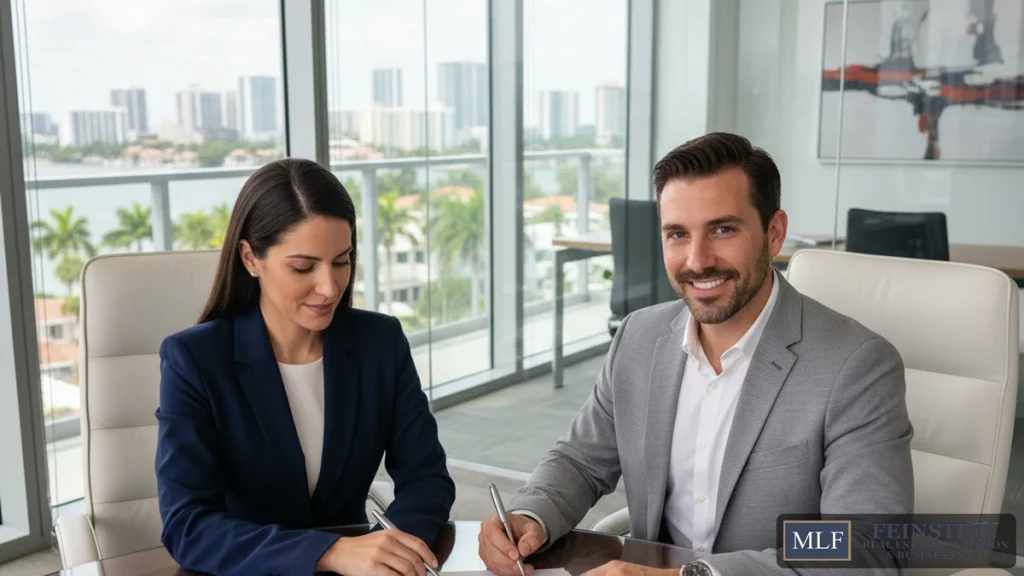
Florida business litigation attorney advising on partner breach of contract

When a business partner breaches a contract in Florida, the consequences can be immediate and severe — lost revenue, disrupted operations, damaged client relationships, and a business left in legal limbo. Knowing what to do in the first days after a breach gives you the best chance of recovering what you are owed and protecting what you have built. Business contract disputes between partners are among the most contentious matters in Florida civil litigation, and acting with the right legal strategy from the start matters more than most people realize.

Florida contract law requires that both parties uphold the terms of any valid agreement. When one partner fails to perform, misappropriates funds, diverts business opportunities, or simply walks away from obligations, the non-breaching partner has legal remedies available. These range from a demand for damages to a lawsuit for specific performance or dissolution of the partnership itself.

The first step is understanding exactly what kind of breach occurred and what your agreement says about it. Not all contract violations carry the same weight — a material breach is one that goes to the heart of the agreement, while a minor breach may entitle you to damages but not to terminate the relationship entirely.

Types of Business Partner Contract Breaches in Florida

  • Failure to contribute capital as required under a partnership or operating agreement
  • Diverting business opportunities to a competing venture without consent
  • Misappropriating funds or drawing unauthorized compensation
  • Violating a non-compete clause within a buy-sell or partnership agreement
  • Refusing to perform agreed duties that the business depends on
  • Breaching fiduciary duty by prioritizing personal interests over the partnership

Florida courts treat business partner disputes seriously. Depending on the structure of your business — LLC, general partnership, corporation — the remedies available and the process for pursuing them differ significantly. A partnership disputes attorney can assess your specific situation and identify your strongest legal position.

Immediate Steps to Take After a Business Partner Breaches a Contract

South Florida business litigation attorney reviewing partnership contract

Step Why It Matters
Document everything Preserve emails, texts, financials, and meeting records before evidence disappears
Review your agreement Identify exactly which provisions were breached and what remedies are specified
Send a written demand A formal breach notice triggers timelines and shows good faith if you later litigate
Consult an attorney immediately Florida statutes of limitations on contract claims can be as short as 4–5 years
Avoid self-help remedies Changing locks, freezing accounts, or withholding distributions without legal authority can backfire

Moving quickly is critical. Evidence disappears. Accounts get drained. Partners line up their own attorneys. The sooner you engage a business litigation attorney in Fort Lauderdale, the better your position when negotiations or litigation begin.

Legal Remedies Available for Business Contract Breaches in Florida

Florida law provides several remedies when a business partner breaches a contract:

  • Compensatory damages: Recovery of financial losses caused directly by the breach
  • Lost profits: Recoverable if they can be proven with reasonable certainty
  • Specific performance: Court orders the breaching partner to fulfill their obligations
  • Injunctive relief: Emergency court order preventing further harm — such as stopping asset transfers
  • Partnership dissolution: Court-ordered winding up of the business if the relationship is irreparably broken
  • Attorney’s fees: Recoverable if your agreement or Florida statute provides for it

In cases involving fraud, misappropriation, or willful breach, courts may also award punitive damages. These are not automatic — you must demonstrate that the conduct rose to a level of intentional wrongdoing or gross negligence.

Business Litigation vs. Mediation for Partner Disputes

Many Florida business agreements include a mandatory mediation clause — meaning you must attempt mediation before filing suit. Even without such a clause, mediation is often worth pursuing first. It is faster, cheaper, and confidential. Litigation can expose internal business matters to public scrutiny, damage business relationships, and cost both parties hundreds of thousands of dollars before reaching a verdict.

That said, some breaches are severe enough that mediation is unlikely to produce a fair result. If your partner is actively dissipating assets or diverting clients, emergency injunctive relief through the courts may be necessary before any mediation takes place. Your attorney can advise which path makes sense based on the specific facts.

Fort Lauderdale business litigation attorney Feinstein Law

Frequently Asked Questions: Business Partner Contract Breaches in Florida

Question Answer
Can I sue my business partner for breach of contract in Florida? Yes. You can file suit in Florida circuit court for damages, specific performance, or dissolution.
What is the statute of limitations for contract claims in Florida? Written contracts: 5 years. Oral contracts: 4 years. Fraud claims: 4 years from discovery.
Does my business have to dissolve if a partner breaches? Not necessarily. A court can award damages without dissolving the business depending on the structure and severity.
What if our agreement doesn’t cover the specific breach? Florida courts apply implied covenants of good faith and fair dealing to fill gaps in contracts.

Don’t Wait — Florida Business Litigation Has Strict Deadlines

When a business partner breaches a contract in Florida, time is not on your side. Assets move. Evidence disappears. Deadlines expire. Feinstein Law represents South Florida business owners in complex business litigation and partner disputes — from demand letters through trial. Visit our corporate litigation page or call (954) 767-9622 to protect your business now.

About Feinstein Law

Feinstein Law is a Fort Lauderdale litigation firm handling business disputes, real estate litigation, and complex commercial matters for clients throughout South Florida.

By : admin | February 19, 2026 | Business Litigation

How Mediation Works in Florida Real Estate Disputes

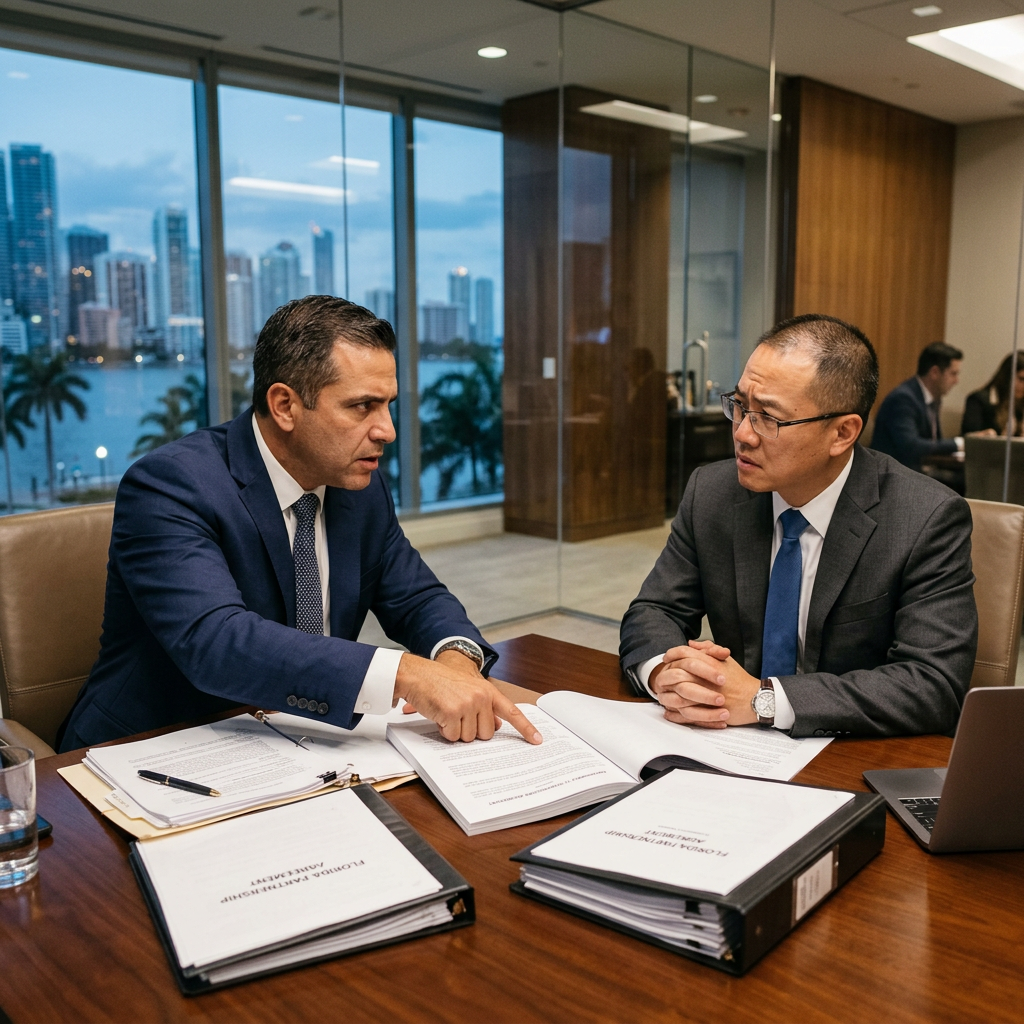
Florida real estate mediation attorney helping parties resolve property disputes

Mediation in Florida real estate disputes is a structured negotiation process where a neutral third party helps buyers, sellers, landlords, tenants, and developers reach a voluntary resolution without going to trial. Florida courts strongly encourage mediation — and most real estate contracts in South Florida require it before either party can file a lawsuit. Understanding how real estate mediation works, when it applies, and what to expect can save you significant time and legal costs in a property dispute.

The Florida Rules of Civil Procedure require mediation in most civil cases before trial. In real estate litigation, this means that even after a lawsuit is filed, a judge will typically order both parties to attend mediation. Many disputes resolve at this stage — before depositions, discovery costs, and trial preparation drive up expenses for everyone involved.

Whether you are dealing with a failed closing, a broker commission dispute, a landlord-tenant conflict, or a boundary disagreement, Florida real estate mediation gives both sides a private, confidential opportunity to resolve the matter on their own terms rather than leaving the outcome to a judge.

When Is Mediation Required in Florida Real Estate Disputes?

Mediation is triggered in two main ways in Florida property cases:

  • Contract clause: Most Florida real estate purchase agreements include a mandatory mediation provision. If a dispute arises, either party can demand mediation before filing suit.
  • Court order: Once litigation begins, Florida courts routinely order mediation as part of the case management process.

Failing to participate in mediation in good faith can result in sanctions and an award of attorney’s fees against the non-compliant party. This is why working with a real estate litigation attorney throughout the mediation process is essential — not just during trial.

How the Florida Real Estate Mediation Process Works

South Florida real estate mediation process explained by Feinstein Law

Here is a step-by-step overview of what happens in a typical real estate mediation in Florida:

Step What Happens
1. Selection of Mediator Both parties agree on a certified mediator, often a retired judge or experienced attorney
2. Pre-Mediation Statements Each side submits a brief summary of their position and key issues
3. Joint Session Mediator opens with ground rules; each party presents their perspective
4. Private Caucuses Mediator meets separately with each side to explore settlement positions
5. Negotiation Mediator shuttles between parties to close the gap
6. Settlement or Impasse If agreement is reached, a written settlement agreement is signed that day

The entire session typically takes one full day. If the parties settle, the agreement is binding and enforceable as a contract under Florida Statute §44.102. If mediation ends in an impasse, the litigation continues — but the confidential communications made during mediation cannot be used in court.

What Types of Real Estate Disputes Go to Mediation in Florida?

Almost any real estate dispute can be mediated in Florida. The most common types that reach mediation include:

  • Purchase contract breaches — buyer or seller backing out
  • Real estate litigation involving seller misrepresentation or non-disclosure
  • Landlord-tenant disputes over commercial lease terms
  • Broker commission disputes after a failed transaction
  • Boundary and easement disagreements between neighbors
  • HOA disputes involving assessments, rules violations, or enforcement actions
  • Construction defect claims between owners and contractors

Luxury real estate disputes — involving properties worth several million dollars — are especially well-suited to mediation. Both parties typically want to avoid the cost and public exposure of a full trial. A skilled real estate attorney can negotiate effectively in mediation to protect your interests.

Advantages of Mediation Over Litigation in Florida

Factor Mediation Litigation
Cost Fraction of trial costs Can reach six figures
Time Resolved in days or weeks Months to years
Privacy Fully confidential Public court record
Control Parties control the outcome Judge or jury decides
Relationship Can preserve business relationships Typically adversarial

These advantages explain why the majority of Florida real estate disputes that reach mediation settle without going to trial. Even when both parties are far apart at the start of the day, a skilled mediator can bridge the gap and reach a resolution that avoids years of litigation.

Do You Still Need an Attorney for Mediation?

Yes. Mediation is not a casual conversation. The agreement you sign at the end of the session is legally binding. Having a real estate litigation attorney at your side during mediation ensures you understand the legal implications of any proposed settlement, you do not agree to terms that waive important rights, and your attorney can push back on unfair proposals with legal authority. At Broward County real estate disputes, the opposing party will have legal representation. You should too.

Feinstein Law real estate attorney representing clients in Florida mediation

Frequently Asked Questions About Real Estate Mediation in Florida

Question Answer
Is mediation mandatory in Florida real estate cases? Most purchase contracts require it before litigation. Courts also commonly order it once a case is filed.
What if the other party refuses to mediate? Courts can compel participation. Refusal to mediate in good faith can result in sanctions.
Can mediation results be used in court? No. Everything said in mediation is confidential and inadmissible in court under Florida law.
How much does real estate mediation cost in Florida? Mediator fees typically range from $300–$600/hour, split between both parties.

Resolve Your Florida Real Estate Dispute With Experienced Counsel

Whether you are heading into mediation in a Florida real estate dispute or need to take your case to court, experienced legal representation makes the difference. Feinstein Law represents buyers, sellers, landlords, tenants, and investors throughout South Florida in all phases of real estate litigation and mediation. Call (954) 767-9622 or visit our contact page to schedule a consultation.

About Feinstein Law

Feinstein Law is a Fort Lauderdale litigation firm representing clients in real estate disputes, business litigation, and complex commercial matters throughout Broward, Miami-Dade, and Palm Beach counties.

By : admin | February 12, 2026 | Real Estate Law

What Are Intellectual Property Disputes In Florida?

florida-intellectual-property-attorney-michael-feinstein

What Are Intellectual Property Disputes and How Are They Resolved?

What exactly are intellectual property disputes, and how can individuals or businesses resolve them? Intellectual property disputes occur when two or more parties disagree over the ownership, use, or infringement of intellectual property (IP) rights such as copyrights, trademarks, patents, or trade secrets. These conflicts are typically resolved through negotiation, mediation, arbitration, or litigation, depending on the nature and complexity of the case. Understanding the basics of IP disputes and the available resolution methods is the bases for protecting your creative and commercial interests.

Understanding Intellectual Property Disputes

Intellectual property disputes arise when parties contest the rights to creations of the mind, including inventions, artistic works, symbols, names, and images. Common examples include unauthorized use of copyrighted material, trademark infringement, patent challenges, and misappropriation of trade secrets. These disputes can have significant financial and reputational consequences if not handled properly.

Types of Intellectual Property Involved

  • Copyrights: Protect original works of authorship such as books, music, and software.
  • Trademarks: Safeguard brand names, logos, and slogans.
  • Patents: Grant exclusive rights to inventions and technological innovations.
  • Trade Secrets: Cover confidential business information and processes.

How Are Intellectual Property Disputes Resolved?

Resolution of IP disputes can take several forms:

  • Negotiation: Parties communicate directly to reach a mutually acceptable solution.
  • Mediation: A neutral third party assists in facilitating a settlement.
  • Arbitration: An arbitrator issues a binding decision after hearing both sides.
  • Litigation: The matter is taken to court, and a judge or jury determines the outcome.

Each method has its pros and cons, including cost, time, and potential impact on business relationships. For a deeper understanding of U.S. IP policy and dispute processes, consult the United States Patent and Trademark Office.

Why Protecting Your Intellectual Property Matters

Safeguarding your intellectual property is essential for maintaining competitive advantage and ensuring your creative efforts are recognized and rewarded.

Further Resources

About Michael L. Feinstein

Fort Lauderdale Real Estate Litigation AttorneyMichael L. Feinstein is a seasoned attorney with over 30 years of experience in complex commercial litigation, including intellectual property disputes. As the founder of Feinstein Law, he has represented individuals, entrepreneurs, and businesses in protecting their copyrights, trademarks, patents, and trade secrets. Michael is known for his strategic approach, deep understanding of intellectual property law, and commitment to achieving favorable outcomes for his clients. His dedication to legal excellence and client advocacy has earned him a strong reputation in the field. To learn more about his credentials and practice areas, visit his attorney profile.

By : admin | February 10, 2026 | Intellectual Property Disputes

What Is Luxury Real Estate Litigation in Florida?

Luxury real estate litigation attorney in Florida — Feinstein Law

Luxury real estate litigation in Florida covers high-stakes property disputes involving multimillion-dollar homes, waterfront estates, and premium condominiums across South Florida. When deals go wrong at the top end of the market, the financial exposure is enormous. Sellers, buyers, brokers, and developers all carry legal obligations — and any one of them can end up in court. Understanding what luxury real estate litigation involves helps you act fast and protect your investment before a dispute becomes a judgment against you.

South Florida’s luxury market — from Las Olas to Bal Harbour to Palm Beach — attracts high-net-worth buyers and sophisticated developers. But sophistication does not prevent disputes. Contract breaches, misrepresentation, title defects, and failed closings are common even at the highest price points. The legal process for resolving these conflicts follows Florida property law and can move through Broward, Miami-Dade, or Palm Beach County courts.

A real estate litigation attorney with experience in luxury transactions understands the specific contract terms, disclosure requirements, and remedies available under Florida law. Not every attorney handles this type of dispute — the stakes require someone who has been in front of judges on complex property matters.

What Triggers Luxury Real Estate Litigation in Florida?

High-value transactions have more moving parts — and more ways to break down. Luxury real estate disputes typically arise from these situations:

  • A buyer backs out after the inspection period without legal grounds to do so
  • A seller fails to disclose known defects in a waterfront or historic property
  • A developer delays delivery of a preconstruction unit beyond the contract deadline
  • Title issues surface after closing — liens, encumbrances, or ownership disputes
  • A broker claims a commission the seller disputes after a deal falls apart
  • Parties disagree over what fixtures, furnishings, or improvements were included in the sale

Each of these scenarios can result in litigation, arbitration, or mediation. Florida courts allow the non-breaching party to seek damages, specific performance, or rescission of the contract depending on the facts.

Key Legal Claims in Florida Luxury Property Disputes

South Florida real estate litigation lawyer reviewing luxury property contract

Real estate litigation in the luxury segment frequently involves these legal theories:

Claim Type What It Means Common in Luxury Market?
Breach of Contract One party fails to perform a contractual obligation Very common
Fraudulent Misrepresentation False statements made to induce the sale Common — especially non-disclosure of defects
Specific Performance Court orders the sale to close as agreed Common — buyers want the specific property
Lis Pendens Notice filed clouding title during pending litigation Frequently used in high-value disputes
Broker Commission Dispute Agent claims unpaid commission after a failed deal Common — large commissions at stake

Florida law gives courts broad authority to craft remedies in real estate contract disputes. In luxury cases, judges understand that a unique property cannot simply be replaced with a comparable one — which is why specific performance orders are particularly common.

How Florida’s Disclosure Laws Apply to Luxury Properties

Florida requires sellers to disclose all known material defects that are not readily observable. This obligation applies equally to a $500,000 starter home and a $15 million oceanfront estate. In luxury real estate litigation, sellers often argue they did not know about a defect — and buyers argue they were deceived.

Common disclosure disputes in luxury transactions involve:

  • Flood history or water intrusion in waterfront properties
  • Structural issues in older estate homes with complex construction
  • Permit violations or unpermitted additions
  • HOA disputes or pending assessments not disclosed at closing
  • Environmental contamination on large land parcels

A real estate attorney in Fort Lauderdale can review the seller’s disclosure form, inspection reports, and communications to build a misrepresentation or fraud claim if the facts support it. Under Florida Statute §689.261, sellers face real liability for failing to disclose material facts.

Mediation Before Litigation in Florida Real Estate

Most Florida real estate contracts include a mediation clause. Before a party can file suit, both sides must attempt to resolve the dispute through a neutral mediator. Mediation in luxury real estate disputes can be highly effective — both parties typically want to avoid the cost and publicity of a court trial.

If mediation fails, the case proceeds to litigation. Florida circuit courts handle real estate litigation cases involving property valued over $50,000 — which includes virtually every luxury transaction in South Florida.

Why You Need an Experienced Attorney for Luxury Real Estate Disputes

Fort Lauderdale real estate litigation lawyer Michael Feinstein

Luxury transactions involve complex contracts, large sums, and parties who all have legal representation. If you are in a dispute without an experienced real estate litigation attorney, you are at a significant disadvantage. The opposing party’s counsel will move quickly to file claims, secure assets, or record a lis pendens that clouds your title.

An attorney who handles Florida real estate litigation regularly knows how to:

  • Analyze the purchase contract for breach, waiver, and remedy clauses
  • File or defend against emergency injunctions to stop a closing
  • Navigate Broward County real estate court procedures efficiently
  • Negotiate settlements that avoid a drawn-out trial
  • Take cases to verdict when settlement is not in the client’s interest

The Florida real estate contract dispute process has strict deadlines. Missing a filing deadline — even by one day — can end your case. Acting early with the right counsel protects your rights and your investment.

Frequently Asked Questions About Luxury Real Estate Litigation in Florida

Question Answer
How long does real estate litigation take in Florida? Most cases resolve in 6–18 months. Complex luxury disputes can take longer if they proceed to trial.
Can I recover attorney’s fees in a real estate dispute? Yes — if your contract includes an attorney’s fees clause, the prevailing party can recover costs.
What is the statute of limitations for real estate fraud in Florida? Generally 4 years from when the fraud was discovered or should have been discovered.
Do I have to go to court or can this be resolved privately? Many disputes are resolved through mediation or arbitration without a public trial.

Protecting Your Luxury Real Estate Investment Starts With the Right Attorney

When a high-value property deal goes wrong in South Florida, you need a real estate litigation attorney who knows Florida law, knows the courts, and knows how to win. Feinstein Law has represented buyers, sellers, developers, and investors in complex luxury real estate litigation across Broward, Miami-Dade, and Palm Beach counties. Call (954) 767-9622 or visit our contact page to speak with an attorney today.

About Feinstein Law

Feinstein Law is a South Florida litigation firm focused on real estate disputes, business litigation, and complex commercial matters. Based in Fort Lauderdale, the firm represents clients throughout Broward, Miami-Dade, and Palm Beach counties in high-stakes property and business conflicts.

By : admin | February 5, 2026 | Real Estate Litigation
Call Now