


 954-767-9662

Florida zoning disputes governed by local municipal code affect property owners, developers, and investors in ways that can be financially devastating. A zoning decision that goes against you can block a planned development, reduce your property’s market value, or force you to stop using land the way you intended. Understanding how zoning disputes in Florida work — and when to challenge them — is essential for anyone with a significant real estate investment in the state.
How Florida Zoning Decisions Can Harm Your Property Value
Denial of a Zoning Variance or Conditional Use Permit
Zoning disputes often involve complex interpretations of local land use regulations. Property owners may challenge decisions made by zoning boards, planning departments, or code enforcement officers when they believe those decisions conflict with existing rights, violate due process, or misapply the governing zoning ordinance. A Florida real estate attorney experienced in zoning appeals can identify weaknesses in the municipality’s reasoning and build a compelling case for reversal or variance approval.
When you purchase property or inherit land, you often assume you can develop or use it in the way you envisioned. But a city or county can refuse to grant the zoning variance or conditional use permit you need, leaving your land stranded. If your neighbors’ properties were rezoned or granted similar exceptions in the past, a zoning denial may be both unfair and legally challengeable. A Florida zoning attorney can evaluate whether the denial was arbitrary, capricious, or contrary to the comprehensive plan.
Comprehensive Plan Conflicts
Florida cities and counties must follow a “comprehensive plan” as established by the Florida Department of Environmental Protection — a legal document that guides land use, density, and infrastructure. If your property is not aligned with the plan, or if the plan was recently changed without your input, you may have legal grounds to challenge the zoning restriction. Many property owners discover after-the-fact that a plan amendment cost them millions in unrealized development potential.
Common Zoning Dispute Scenarios
- Denied variance for a commercial use on residential land
- Conditional use permit revoked due to neighborhood opposition
- Land reclassified or downzoned due to comprehensive plan updates
- Setback, height, or density restrictions that block your intended use
- Inconsistent enforcement of zoning rules across the same district
- Wetland or environmental restrictions added after purchase
When to Challenge a Zoning Decision
The Timeline Matters — Act Fast
In Florida, the deadline to appeal a zoning decision is often just 30 days from the date it was issued. Miss that window and you may lose your legal right to challenge it. Appeals go to the local zoning board or city council first, then to circuit court. A real estate litigation attorney can file an expedited appeal or seek a temporary injunction if the zoning decision threatens imminent harm to your property value.
Standards for Appealing
You must show that the zoning decision was “arbitrary, capricious, or in violation of the Comprehensive Plan” — a high bar, but not impossible. You’ll need evidence: comparable properties that were treated differently, economic data showing the impact, expert opinions on the plan’s intent, and documentation of the decision-making process.
Frequently Asked Questions
| Question | Answer |
|---|---|
| Can I sue a city for denying my zoning variance? | Yes, if the denial was arbitrary, capricious, or violated the comprehensive plan. You’ll need strong evidence of inconsistent enforcement or bias. |
| How long does a zoning appeal take? | Local appeals can take 3–6 months; circuit court appeals can take 1–2 years. An injunction can sometimes accelerate the timeline. |
| What is a comprehensive plan and why does it matter? | It’s a legal guide to how a city or county will grow. Zoning decisions must align with it, and violations of the plan are grounds for legal challenge. |
| Can I get my property rezoned after a denial? | Yes, you can apply again after a waiting period (typically 12 months), especially if circumstances or the plan have changed. |
| What is a conditional use permit and how is it different from a zoning variance? | A variance allows you to deviate from zoning rules for a specific use; a CUP allows a use not normally permitted if conditions are met. |
Zoning Disputes Don’t Resolve Themselves
If a zoning decision is blocking your development plans or reducing your property’s market value, waiting is not an option. Feinstein Real Estate Litigation & Business Law handles zoning appeals and challenges throughout South Florida. Call (954) 767-9662 or contact us at our contact page immediately.
About Feinstein Real Estate Litigation & Business Law
A South Florida real estate and business litigation firm with 37+ years of experience, including zoning appeals and comprehensive plan challenges. Serving Fort Lauderdale, Broward, Miami-Dade, and Palm Beach Counties.

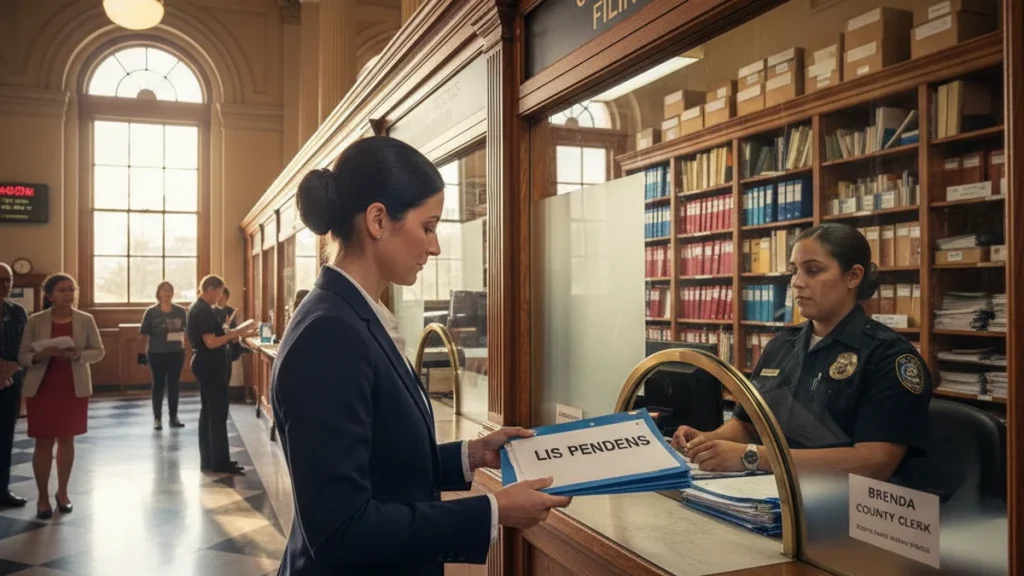 Filing a lis pendens puts all subsequent buyers and lenders on notice of the dispute.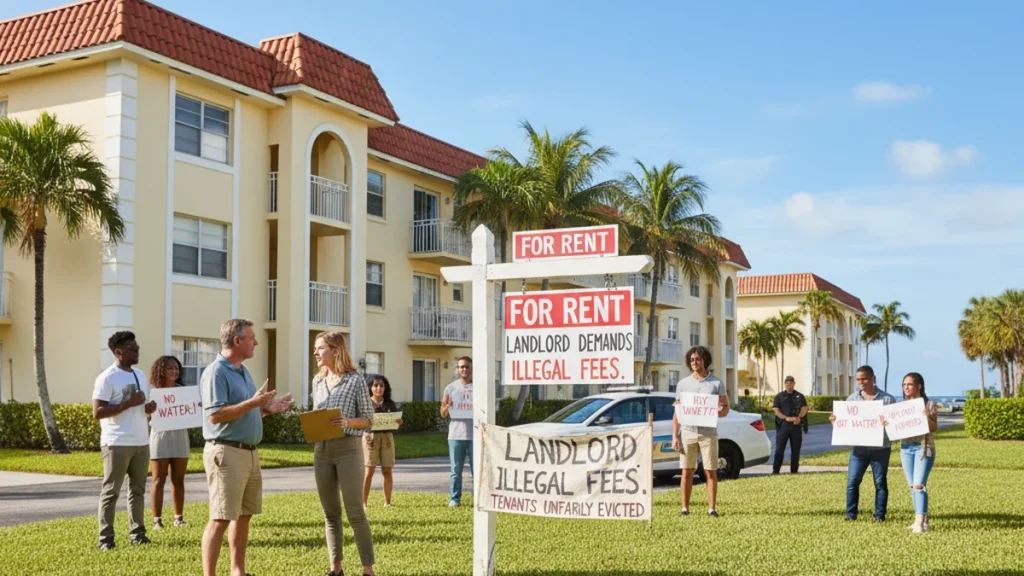
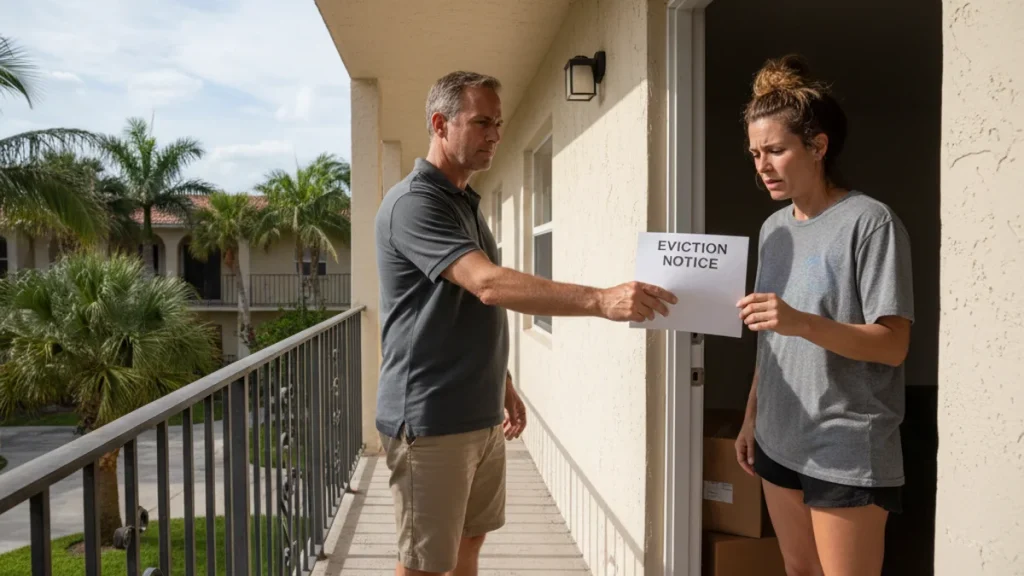 Eviction disputes require strict procedural compliance from landlords under Florida law.
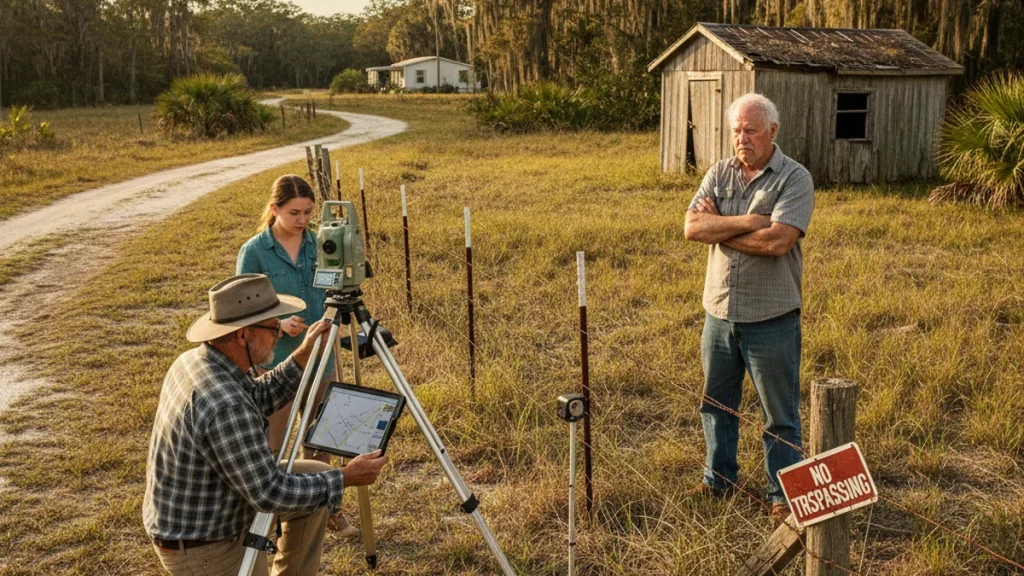 Accurate surveys are critical in adverse possession cases to establish continuous use.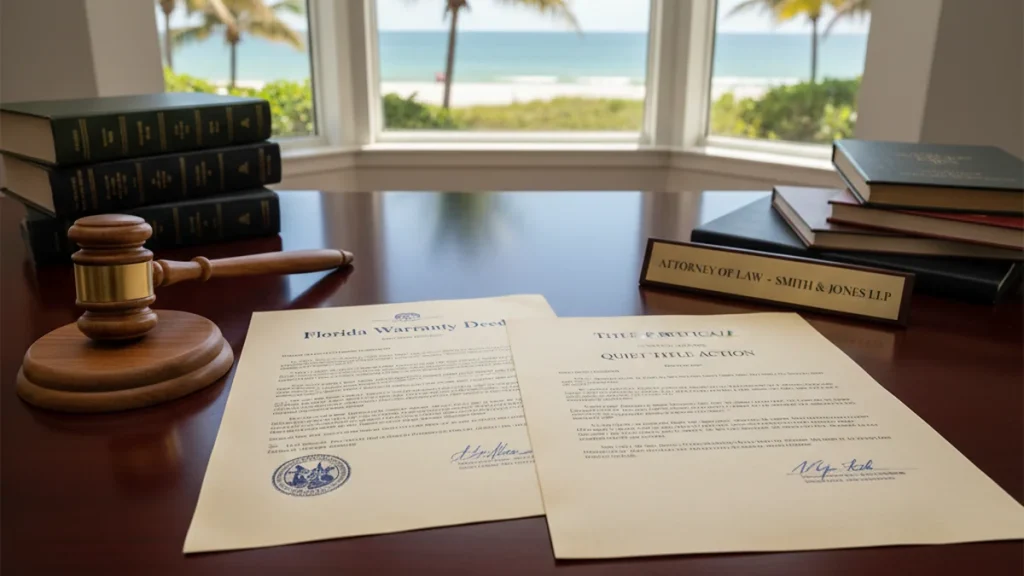
 A quiet title attorney reviews the chain of ownership to identify competing claims.