


 954-767-9662

A preliminary injunction in Florida is one of the most powerful tools available in business litigation — it allows a court to immediately freeze the status quo while a case is pending, before a final judgment is ever reached. When a business partner is draining company accounts, a former employee is soliciting your clients in violation of a non-compete, or a competitor is using your trade secrets, waiting months or years for a trial verdict can mean the damage is already done. Florida preliminary injunctions are designed precisely for those situations.
What Is a Preliminary Injunction in Florida?
Emergency Court Relief Without a Full Trial
A preliminary injunction is a court order requiring a party to do — or stop doing — something specific while the underlying lawsuit proceeds. It is not a final ruling on the merits; it is an emergency measure to prevent irreparable harm during litigation. Florida courts can issue preliminary injunctions quickly — sometimes within days of filing — when the facts justify it. A Fort Lauderdale business litigation attorney who handles emergency relief knows how to move fast when it matters most.
Temporary Restraining Orders vs. Preliminary Injunctions
Before a preliminary injunction hearing, a party can seek a temporary restraining order (TRO) — an even faster form of emergency relief that can be granted without notice to the other side in extreme circumstances. A TRO typically lasts only 14 days and is followed by a full hearing on whether a preliminary injunction should be issued for the duration of the case.
The Four-Part Test Florida Courts Apply
To obtain a preliminary injunction in Florida, the moving party must satisfy all four elements established under Florida Rule of Civil Procedure 1.610 and case law:
| Element | What You Must Show |
|---|---|
| Likelihood of success on the merits | Your underlying legal claim is likely to prevail at trial |
| Irreparable harm | Money damages alone cannot adequately compensate the harm |
| No adequate remedy at law | A final money judgment later would not make you whole |
| Balance of harms | The harm to you without the injunction outweighs the harm to the defendant with it |
The irreparable harm element is often the most difficult to establish. Courts will not issue injunctions for harm that can be fully compensated with money. This is why preliminary injunctions are most common in trade secret cases, non-compete violations, and situations involving ongoing reputational or relationship damage that cannot be quantified in dollars.
Common Florida Business Disputes That Warrant Injunctive Relief
- Former employee soliciting clients in violation of a Florida non-compete agreement
- Business partner transferring or concealing company assets
- Competitor using misappropriated trade secrets
- Contractor abandoning a project and threatening to place a lien
- Shareholder taking unilateral control of company operations during a dispute
- Vendor breaching an exclusivity agreement while actively soliciting your customers
What Happens at the Injunction Hearing
It Moves Fast — Be Ready
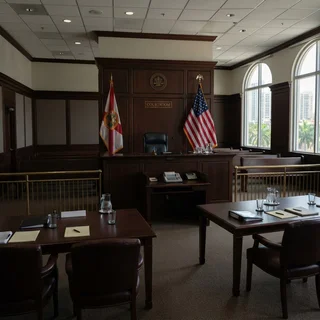 Preliminary injunction hearings in Florida circuit courts are typically scheduled within 14 days of filing. Both sides present evidence — affidavits, documents, sometimes live witnesses — and the judge rules from the bench or within a few days. This is not a full trial, but it requires thorough preparation. The Florida Courts system gives judges broad discretion to craft injunction orders tailored to the specific harm alleged.
Bond Requirements
Florida courts typically require the party obtaining a preliminary injunction to post a bond — an amount sufficient to compensate the defendant if the injunction was wrongfully granted and the case ultimately goes against the moving party. Bond amounts vary widely based on the nature and scope of the injunction. Your business litigation attorney will factor this into the cost-benefit analysis before filing.
Frequently Asked Questions
| Question | Answer |
|---|---|
| How quickly can I get a TRO in Florida? | A TRO can sometimes be granted the same day or within 24–48 hours of filing in emergency circumstances. |
| What if the other side violates the injunction? | Violation of a court injunction is contempt of court — punishable by fines and imprisonment. |
| Can I get an injunction in a contract dispute? | Yes, if the breach causes irreparable harm not compensable by money damages alone. |
| How long does a preliminary injunction last? | Until the case is resolved at trial or by settlement — typically months to years. |
| What is the difference between an injunction and a restraining order? | A TRO is temporary (14 days); a preliminary injunction lasts through litigation; a permanent injunction is part of a final judgment. |
When Hours Matter, Courts Can Act in Days
If your business is being harmed right now and waiting for a trial is not an option, a Florida preliminary injunction may be your fastest path to stopping the damage. Feinstein Real Estate Litigation & Business Law handles emergency injunction filings throughout South Florida. Call (954) 767-9662 or contact us at our contact page immediately.
About Feinstein Real Estate Litigation & Business Law
A South Florida business and real estate litigation firm with 37+ years of experience, including emergency injunction and TRO filings. Serving Fort Lauderdale, Broward, Miami-Dade, and Palm Beach Counties.