





 954-767-9662
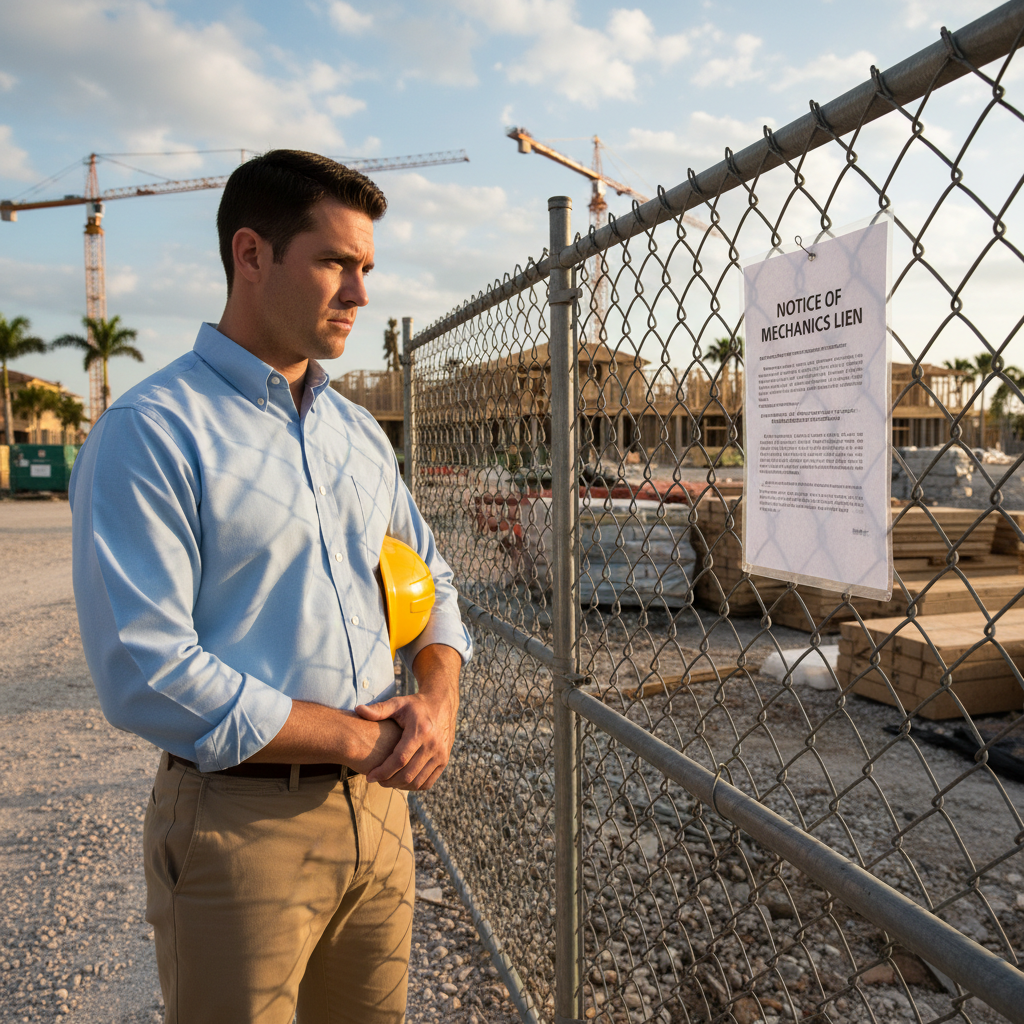
If a mechanics lien in Florida just showed up on your property, you’re probably dealing with a contractor or supplier claiming they weren’t paid — and now your closing is in jeopardy, your lender is calling, and the contractor isn’t returning messages. Disputing a mechanics lien in Florida is absolutely possible, but the process has hard deadlines and specific procedures that can work for you or against you depending on how fast you move. Here’s the practical breakdown of what your options actually are.
Florida’s Construction Lien Law: The Rules That Govern Everything
The Framework Under Chapter 713
Florida’s Construction Lien Law (Chapter 713) governs who can file a lien, what notices are required, and the deadlines for enforcement. It applies to contractors, subcontractors, laborers, and material suppliers. Understanding the requirements is your starting point — because a lien that doesn’t follow them precisely is vulnerable to challenge.
Key Deadlines That Create Your Leverage
- Notice to Owner: Must be served within 45 days of first furnishing labor or materials. No notice — no lien rights for most subcontractors and suppliers.
- Lien recording deadline: The lien must be recorded within 90 days of the last day of furnishing labor or materials.
- Lawsuit deadline: A lien foreclosure action must be filed within 1 year of recording — or the lien is automatically extinguished.
These deadlines are where many liens fail. A Florida construction litigation attorney will check each one as the first step in evaluating your options.
Grounds to Challenge or Discharge a Florida Mechanics Lien
Procedural Defects
These are the most common and most effective challenges. If the liening party missed any procedural step, the lien may be void:
- Failed to serve a proper Notice to Owner within 45 days of starting work
- Recorded the lien after the 90-day deadline
- The lien description of the property or the amount is materially incorrect
- The contractor had no direct contract with the owner and no qualifying subcontract chain
Substantive Defects
Even if the lien was filed on time and properly noticed, you can still challenge the underlying claim:
- The lien amount includes work that was never actually performed
- The work was not authorized by the property owner
- The owner already paid the general contractor in full and the GC failed to pay the sub
- The lien was filed as retaliation for a legitimate dispute about quality or scope
Your Three Main Options for Clearing the Lien
Option 1: Transfer the Lien to a Bond
This is often the fastest way to clear title and let a transaction proceed. You post a cash deposit or surety bond equal to the lien amount — plus a premium. The Florida mechanics lien is released from the property and the bond becomes the security for the contractor’s claim. The dispute continues, but your closing or refinance can move forward. A Florida real estate litigation attorney can have this in place within days when a closing is on the line.
Option 2: Demand to Commence Action
Under Chapter 713, you can serve a written demand on the lien claimant requiring them to file a lien foreclosure lawsuit within 60 days. If they don’t file, the lien is extinguished by operation of law — no court order needed. This is an often underused tool. Many lien claimants record liens as a pressure tactic but have no real intention of filing suit. The demand forces their hand.
Option 3: Show Cause Motion
File a motion in circuit court asking the lien claimant to show cause why the lien should not be discharged. The court sets a hearing, and the claimant must demonstrate they have a valid, enforceable lien. If they can’t — or if the procedural defects are clear — the court discharges it. Florida courts can also award attorney fees to the property owner when a lien was fraudulently filed. See the fraudulent lien provision at § 713.31 for specifics.
What Happens If the Lien Is Valid
The Owner Paid the GC — But the Sub Didn’t Get Paid
This is the situation that surprises the most property owners. You paid your general contractor in full. The GC failed to pay their subcontractor. The sub files a lien against your property — and in Florida, it may be enforceable even though you’ve already paid. This is exactly why Florida law requires a Notice to Owner system — it lets owners know who is on the job so they can verify payment before releasing final funds to the GC.
Frequently Asked Questions
| Question | Answer |
|---|---|
| Can a subcontractor lien my Florida property if I already paid the GC? | Yes — if they properly served a Notice to Owner and recorded timely. Paying the GC doesn’t automatically protect you from sub-contractor liens. |
| Can I recover attorney fees in a Florida lien dispute? | Yes. Chapter 713 allows prevailing party attorney fee awards in lien foreclosure actions. Fraudulently filed liens can also trigger fee awards. |
| What if the contractor abandoned the job mid-project? | Abandonment can affect the validity of the lien. If the contractor walked off without justification, that’s a material factor in your challenge. |
A Florida Mechanics Lien on Your Property Needs to Be Addressed Now
Sitting on a Florida mechanics lien while a closing or refinance waits is one of the most expensive things you can do. Feinstein Law handles construction lien disputes and real estate litigation throughout South Florida. Call (954) 767-9662 or visit our contact page.
About Feinstein Law: Feinstein Law is a Fort Lauderdale firm handling construction litigation, real estate disputes, and contract matters throughout Broward, Miami-Dade, and Palm Beach counties.
