





 954-767-9662
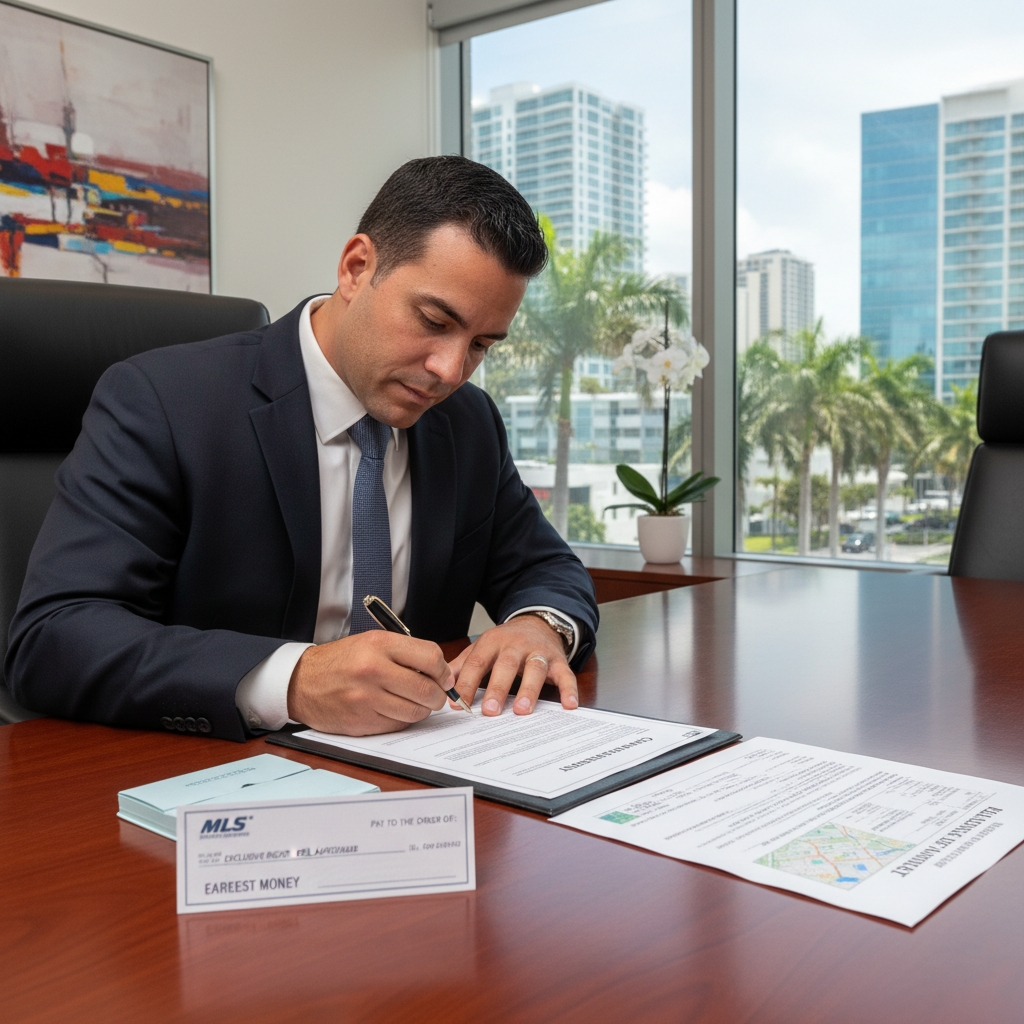
If you’re a real estate agent who completed a transaction and isn’t getting paid, or a seller who believes a broker didn’t earn the commission they’re claiming — you’re dealing with a broker commission dispute in Florida, and the outcome depends heavily on what your listing agreement or buyer’s broker agreement actually says. Florida broker commission disputes became more contentious after NAR’s 2024 settlement changed how buyer’s agent compensation is disclosed and negotiated. Whether you’re a broker trying to collect or a party trying to avoid paying, here’s what you’re actually dealing with.
How Real Estate Commissions Work in Florida
Commissions Are Always Negotiable
There is no standard commission rate in Florida. The rate is negotiated between the broker and the client and documented in a written listing agreement or buyer’s broker agreement. Commissions are typically paid at closing from the sale proceeds — but a broker’s right to a commission can exist even if a deal doesn’t close, depending on the contract language. Understanding what your agreement says about when a commission is earned is the foundation of any Florida commission dispute.
The Three-Part Test for Earning a Commission
Under Florida common law, a real estate broker typically earns a commission when they:
- Are the procuring cause of the sale — they introduced the buyer and seller, or their efforts were the dominant reason the deal happened
- Had a valid written brokerage agreement in place at the time of the transaction under § 475.42
- Had a buyer who was ready, willing, and able to purchase on the agreed terms
If a seller cancels a deal after the broker produced a buyer who was ready and willing — the broker may still be owed their commission even though no closing occurred.

The Most Common Florida Broker Commission Disputes
Seller Refuses to Pay After Deal Falls Through
This is the most frequent dispute. The broker produced a qualified buyer, the seller accepted the offer, and then something went wrong — the seller got cold feet, accepted a higher offer from another buyer, or claimed the first buyer wasn’t truly qualified. Whether the broker is owed a commission depends on the listing agreement language and whether the broker was truly the procuring cause. A Florida real estate litigation attorney can evaluate the specific agreement and facts quickly.
Co-Brokerage and Buyer’s Agent Disputes
When two brokerages are involved — a listing agent and a buyer’s agent — disputes arise over the agreed co-brokerage split. After NAR’s 2024 settlement, buyer’s agent compensation must now be documented separately and is no longer automatically offered through the MLS. If the buyer’s broker agreement or seller’s agreement doesn’t clearly establish the co-brokerage arrangement, disputes are almost guaranteed.
Dual Agency and Undisclosed Conflicts
Florida brokers who represent both buyer and seller in the same transaction as a dual agent must have written consent from both parties under § 475.278. Brokers who fail to get that consent — or who don’t fully disclose the conflict — can forfeit their commission entirely, even if the deal closed and they did real work. Courts take these disclosure requirements seriously.
What Florida Courts Look at in Commission Disputes
| Factor | Why It Matters |
|---|---|
| Written agreement language | The contract controls — courts look at when the commission is earned, what triggers payment, and any conditions |
| Procuring cause | Was the broker actually the dominant reason the buyer and seller connected? Multiple brokers claiming the same deal creates disputes. |
| Licensing status | Florida requires brokers to be properly licensed to sue for a commission — unlicensed activity voids the right to collect |
| Disclosure compliance | Failure to make required disclosures (dual agency, referral fees) can forfeit the commission entirely |
Frequently Asked Questions
| Question | Answer |
|---|---|
| Can a Florida real estate broker sue for commission without a written contract? | Generally no. Florida Statute § 475.42 requires a written brokerage agreement for a broker to sue for a commission. |
| What if I sold my property directly after the listing expired? | Check your listing agreement. Many include a safety clause — protecting the broker’s commission for a period after expiration if the buyer was introduced during the listing term. |
| Can a buyer’s agent sue a seller for commission in Florida? | Yes — if there’s a co-brokerage agreement or the seller’s listing agreement promised a buyer’s agent commission and the broker was the procuring cause. |
Florida Broker Commission Disputes Require Specific Legal Knowledge to Win
Whether you’re owed a commission or disputing one, Feinstein Law handles Florida broker commission disputes and real estate contract litigation throughout South Florida. Call (954) 767-9662 or reach us at our contact page.
About Feinstein Law: Feinstein Law is a Fort Lauderdale firm handling real estate litigation, business disputes, and contract matters throughout Broward, Miami-Dade, and Palm Beach counties.
