





 954-767-9662
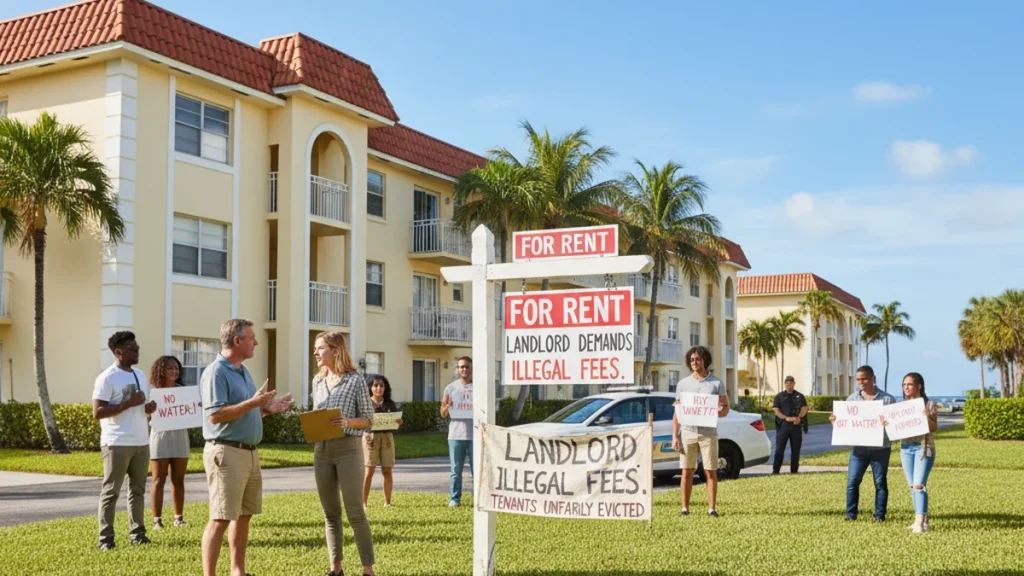
Landlord-tenant disputes in Florida can escalate from a minor disagreement into a full legal battle within days. Whether you are a landlord dealing with a non-paying tenant or a tenant facing an unlawful eviction, Florida’s residential tenancy laws set clear rules — and violating them has real consequences. Understanding where Florida landlord-tenant law draws the line protects both sides before a dispute lands in court.
Florida’s Landlord-Tenant Law: The Basics
The Florida Residential Landlord and Tenant Act
The primary statute governing residential leases is Florida Statute Chapter 83. It covers everything from lease termination to security deposit handling, habitability requirements, and eviction procedures. Neither landlords nor tenants can waive many of these protections — lease clauses that attempt to do so are often unenforceable.
Security Deposit Rules
Florida law gives landlords strict deadlines for handling security deposits. After a tenant vacates, the landlord must either return the deposit within 15 days or send written notice of intent to claim within 30 days. Missing these deadlines — even by one day — can forfeit the landlord’s right to keep any portion of the deposit. Tenants who do not object to a timely claim within 15 days waive their right to dispute it. A real estate litigation attorney can help either party navigate these tight windows.
| Issue | Landlord Obligation | Tenant Right |
|---|---|---|
| Security deposit return | Return within 15 days or claim within 30 | Object within 15 days of notice of claim |
| Habitability | Maintain premises in good repair | Withhold rent after proper notice in some cases |
| Entry notice | 12 hours advance notice required | Refuse entry without proper notice |
| Eviction process | Court order required; self-help evictions are illegal | Challenge eviction in court within 5 days of notice |
| Retaliation | Cannot retaliate for complaints or code reports | Affirmative defense against retaliatory eviction |
The Florida Eviction Process
Proper Notice Is Required First
Before filing an eviction lawsuit, a Florida landlord must serve the tenant with the appropriate written notice. For non-payment of rent, this is a 3-day notice to pay or vacate. For lease violations, it is a 7-day notice to cure or vacate. For month-to-month tenancies with no violation, the landlord must give 15 days’ notice before the end of the rental period.
Self-Help Evictions Are Illegal
Florida prohibits landlords from removing a tenant by changing locks, removing doors, or shutting off utilities without a court order. Self-help evictions expose the landlord to liability for the tenant’s actual damages plus attorney fees. The Florida Courts system processes residential evictions quickly — usually within 2–4 weeks — making the legal route faster than most landlords expect.
Tenant Habitability Rights
Florida landlords must maintain rental properties in a structurally sound, pest-free, and functional condition. This includes working plumbing, electrical systems, heating, and a secure roof. When a landlord fails to make required repairs after proper written notice, tenants in Florida have limited remedies — including withholding rent under specific procedures or terminating the lease in severe cases. This area of law is highly procedural; tenants who skip the notice requirements often lose rights they would otherwise have had.
- Repair requests must be in writing to preserve legal rights
- Landlord has 7 days to begin repairs for essential services after notice
- Tenants cannot unilaterally withhold rent without following the statutory process
- Code enforcement complaints are protected — retaliation is a recognized defense
The Florida Bar advises both landlords and tenants to document everything in writing and to understand the notice requirements before taking any unilateral action.
Commercial Lease Disputes Are Different
Florida’s Chapter 83 residential protections do not apply to commercial leases. Commercial tenants have fewer automatic protections, and lease terms govern almost everything. If you are involved in a Florida commercial lease dispute, the analysis is different and legal counsel is even more critical.
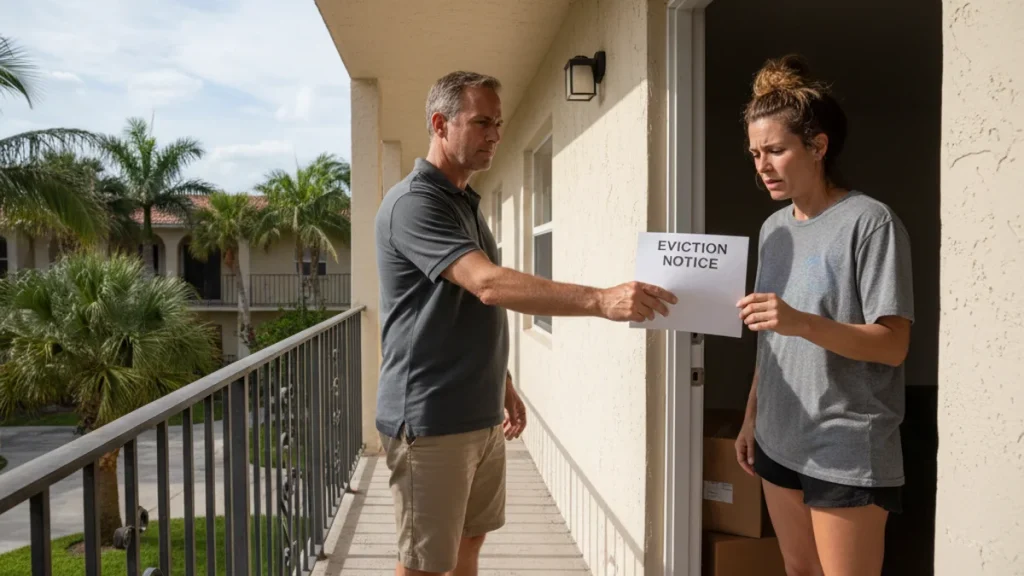 Eviction disputes require strict procedural compliance from landlords under Florida law.
Frequently Asked Questions
| Question | Answer |
|---|---|
| How long does an eviction take in Florida? | Typically 3–5 weeks from notice to writ of possession if uncontested; longer if the tenant fights it. |
| Can a landlord enter without notice in Florida? | Only in a genuine emergency. Otherwise 12 hours advance notice is required. |
| What if my landlord won’t fix a mold problem? | Put the request in writing first. If ignored, you may have grounds to terminate the lease or pursue legal action. |
| Can I be evicted for reporting code violations? | No — retaliatory eviction is illegal in Florida. It is an affirmative defense in eviction proceedings. |
| Is a verbal lease enforceable in Florida? | Yes for month-to-month tenancies, but written leases are strongly preferred for documentation. |
Know the Law Before the Dispute Gets Out of Hand
Whether you are a landlord protecting your investment or a tenant defending your home, Florida landlord-tenant disputes move fast and the procedural rules are unforgiving. Feinstein Real Estate Litigation & Business Law handles both sides of residential and commercial tenancy disputes. Call (954) 767-9662 or visit our contact page.
About Feinstein Real Estate Litigation & Business Law
A South Florida firm with over 37 years of experience in real estate litigation, landlord-tenant disputes, commercial lease conflicts, and business law. Serving Fort Lauderdale, Miami, Boca Raton, and throughout South Florida.
