





 954-767-9662

A breach of fiduciary duty in a Florida real estate transaction occurs when someone entrusted to act in your best interest — an agent, broker, attorney, property manager, or partner — puts their own interests ahead of yours and causes you financial harm. This is one of the most serious claims in Florida property law because it involves a fundamental violation of trust. Understanding what a fiduciary duty means in the context of real estate, who owes it, and what happens when it is broken helps buyers, sellers, and investors protect themselves from a type of harm that often goes unrecognized until significant damage is done.
Florida real estate transactions involve multiple parties who hold positions of trust. Real estate agents, brokers, attorneys acting as closing agents, property managers, and co-owners in joint ventures all carry fiduciary obligations that go beyond ordinary business conduct. These obligations — loyalty, confidentiality, obedience, disclosure, accounting, and reasonable care — define the standard of conduct Florida courts use to evaluate whether a fiduciary acted properly.
When any of those duties is violated, the party who was harmed has the right to file a breach of fiduciary duty claim in Florida court. These cases are distinct from ordinary contract claims — the damages can be broader, and courts have specific equitable remedies available that do not apply in standard breach of contract litigation.

Who Owes a Fiduciary Duty in Florida Real Estate?
| Party | Fiduciary Duty Owed To | Key Obligations |
|---|---|---|
| Real Estate Broker / Agent | Their principal (buyer or seller) | Loyalty, disclosure, confidentiality, accounting |
| Property Manager | Property owner | Honest accounting, proper maintenance, no self-dealing |
| Real Estate Attorney (closing agent) | Client | Competent representation, no conflicts of interest |
| Title Agent | Lender and parties | Proper handling of escrow funds |
| LLC Managing Member / Partner | Other members | No self-dealing, fair distribution, transparent decision-making |
Common Examples of Fiduciary Duty Breaches in Florida Real Estate
- Dual agency without disclosure: An agent representing both buyer and seller without informing both parties in writing
- Withholding material information: A broker who knows about a competing offer or property defect and fails to disclose it to their client
- Self-dealing by a property manager: A manager who directs repair contracts to their own company at inflated prices without the owner’s informed consent
- Misappropriation of escrow funds: A closing agent who diverts funds held in trust for their own use
Each of these scenarios involves someone in a trusted position using that position for personal gain at the expense of the person they were supposed to protect. Florida courts take these violations seriously — especially when the breach involves real estate transactions involving large sums of money.
What Damages Are Available for Breach of Fiduciary Duty in Florida?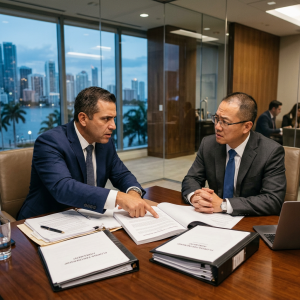
Florida law provides several remedies for breach of fiduciary duty in real estate:
- Compensatory damages: Recovery of all financial losses directly caused by the breach
- Disgorgement: The fiduciary must give back any profits they made from the breach
- Constructive trust: A court can impose a trust over property or funds wrongfully obtained by the fiduciary
- Punitive damages: Available when the breach involved intentional misconduct or fraud
- Attorney’s fees: Courts may award fees in egregious cases
The disgorgement remedy is particularly powerful in real estate cases — it means the fiduciary cannot profit from their betrayal even if the plaintiff suffered no measurable financial loss. Courts focus on the wrongdoer’s unjust gain, not just the victim’s documented harm.
How to Prove Breach of Fiduciary Duty in Florida Real Estate Cases
Florida courts require three essential elements to establish a breach of fiduciary duty:
| Element | What Must Be Proven |
|---|---|
| Fiduciary Relationship | A legal or factual relationship where one party owed a duty of loyalty and care to the other |
| Breach of Duty | The fiduciary failed to perform that duty or acted in conflict with the beneficiary’s interests |
| Damages | The breach caused measurable financial harm or unjust enrichment to the beneficiary |
Real estate contract disputes involving fiduciaries often require expert testimony on industry standards, market value, and the scope of fiduciary obligations under Florida law. An experienced real estate litigation attorney can build this case and present it effectively to a jury or judge.
Frequently Asked Questions: Fiduciary Duty in Florida Real Estate
| Question | Answer |
|---|---|
| How do I prove breach of fiduciary duty in Florida? | You must show: (1) a fiduciary relationship existed, (2) the duty was breached, and (3) you suffered damages as a result. |
| Is a real estate agent always a fiduciary in Florida? | Yes — licensed agents and brokers owe fiduciary duties to their principals under Florida real estate law. |
| What is the statute of limitations for fiduciary duty claims in Florida? | Generally 4 years from when the breach was discovered or should have been discovered. |
| Can I sue both the agent and their broker? | Yes — brokers are vicariously liable for the fiduciary violations of their licensed agents under Florida law. |
Protect Your Real Estate Investment From Fiduciary Breaches
A breach of fiduciary duty in Florida real estate is a serious legal violation with real financial consequences. If you believe someone you trusted in a property transaction acted in their own interest at your expense, Feinstein Law can evaluate your claim. We handle Florida real estate litigation involving fiduciary breaches, Broward County property disputes, and complex fraud cases for clients throughout South Florida. Call (954) 767-9622 or use our contact page.
About Feinstein Law
Feinstein Law is a Fort Lauderdale real estate and business litigation firm handling fiduciary duty claims, fraud cases, and complex property disputes throughout South Florida.
